
Bengaluru is getting hotter. Temperatures have risen by about 1.5°C over the past two decades, driven by rapid urbanisation and the loss of lakes and green cover. This summer, the city has been recording temperatures 2 to 3°C above normal, with a UV Index of 13, which WHO classifies as extreme. For delivery workers, street vendors, domestic workers, and others spending long hours outdoors, access to shaded public spaces during the day is becoming an important health and safety concern.
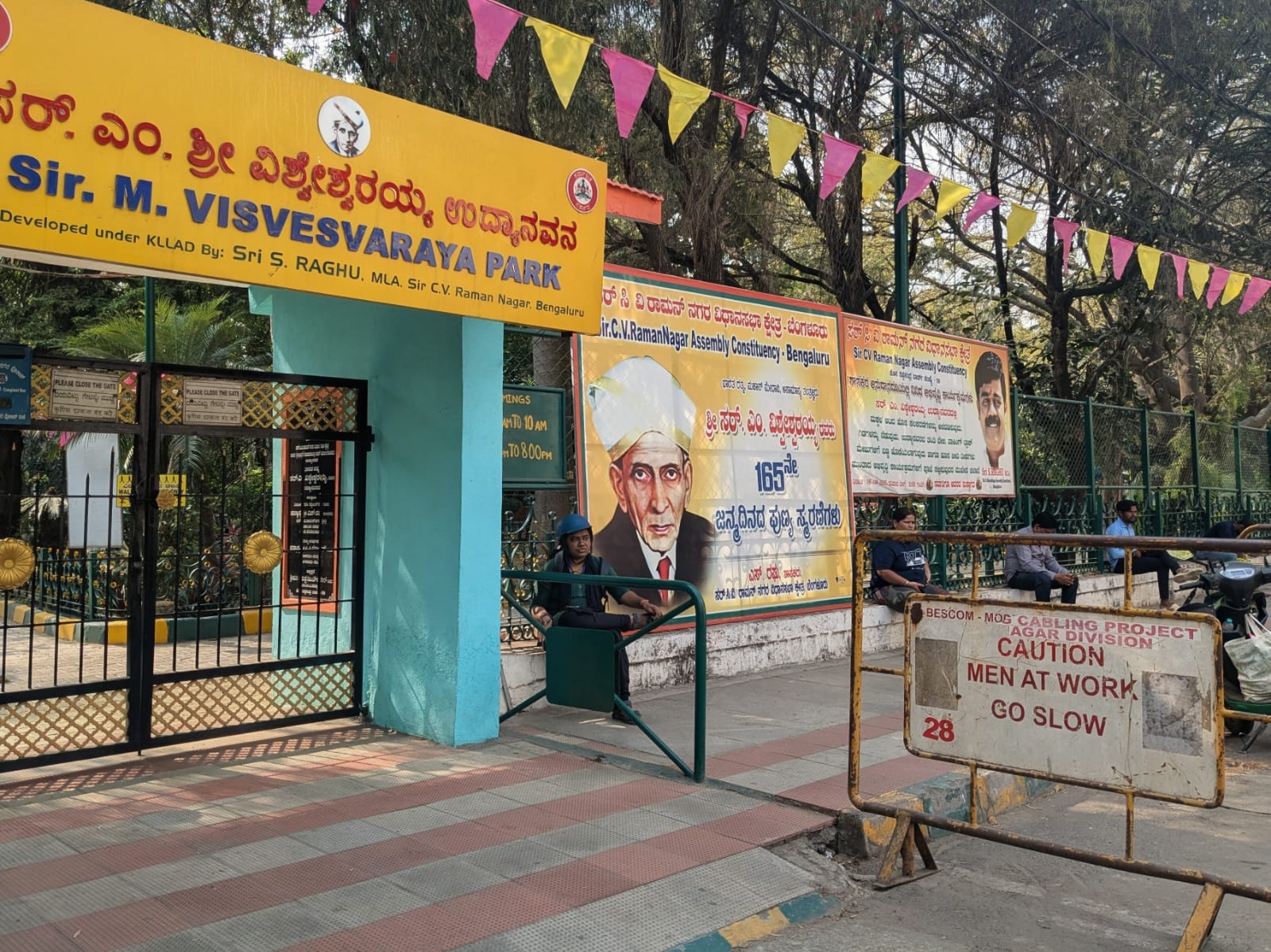
Neighbourhood parks are well placed to serve this need. And yet, observations across Bengaluru indicate that many parks remain closed between 11 AM and 4 PM, limiting access during the hours it matters most.
The policy context
In 2024, BBMP extended park hours to 5 AM to 10 PM, recognising green spaces as essential public infrastructure. In December 2025, the South Bengaluru City Corporation reinstated earlier restricted timings. Outside South Bengaluru, where the 2024 order technically still holds, on-ground implementation has been inconsistent. When parks remain closed, people continue to seek shade along park perimeters and compound walls, without adequate facilities or protection from heat.
How the campaign began
HeatWatch Foundation initiated the #OpenOurParks campaign to document this and engage with civic bodies around it, in collaboration with The Indian Ploggers Army. Over 70 to 80 citizen volunteers joined in, auditing around 17 parks across JP Nagar, Koramangala, HSR Layout, Banashankari, and Bilekahalli during peak afternoon hours.
What volunteers observed was consistent. "I can't sit inside my cab with the AC on for long because of fuel costs, so I wait outside in whatever shade I can find," said a cab driver resting outside a locked park during peak afternoon hours. "There is nowhere to stop when I walk back home in the afternoon heat. If parks were open, I could rest for a while before continuing," shared Chitra, a domestic worker from Banashankari. In some wards, extended timings were officially still in place but not being followed on the ground.
At Mariyamma Park in Banashankari, which remained open through the afternoon, gig workers were observed resting regularly between 11 AM and 2 PM. Parks that stay open get used.
What we asked for
On 15 April 2026, backed by 76 residents and professionals, HeatWatch Foundation submitted a formal representation to Jayanagar MLA C. K. Ramamurthy asking for reinstatement of park hours from 5 AM to 10 PM, consistent implementation of notified timings on the ground with clear signage, and for parks to be recognised as accessible cooling and resting spaces during the day.
The campaign received coverage in The Hindu, Deccan Herald, Bangalore Mirror, Times of India, and Hosa Digantha.
Read the full letter here:
Neighbourhood parks are existing public infrastructure, and keeping them open through the day is a simple, low-cost step towards making the city more liveable for everyone, particularly those who have no alternative when the heat peaks.
Related Content
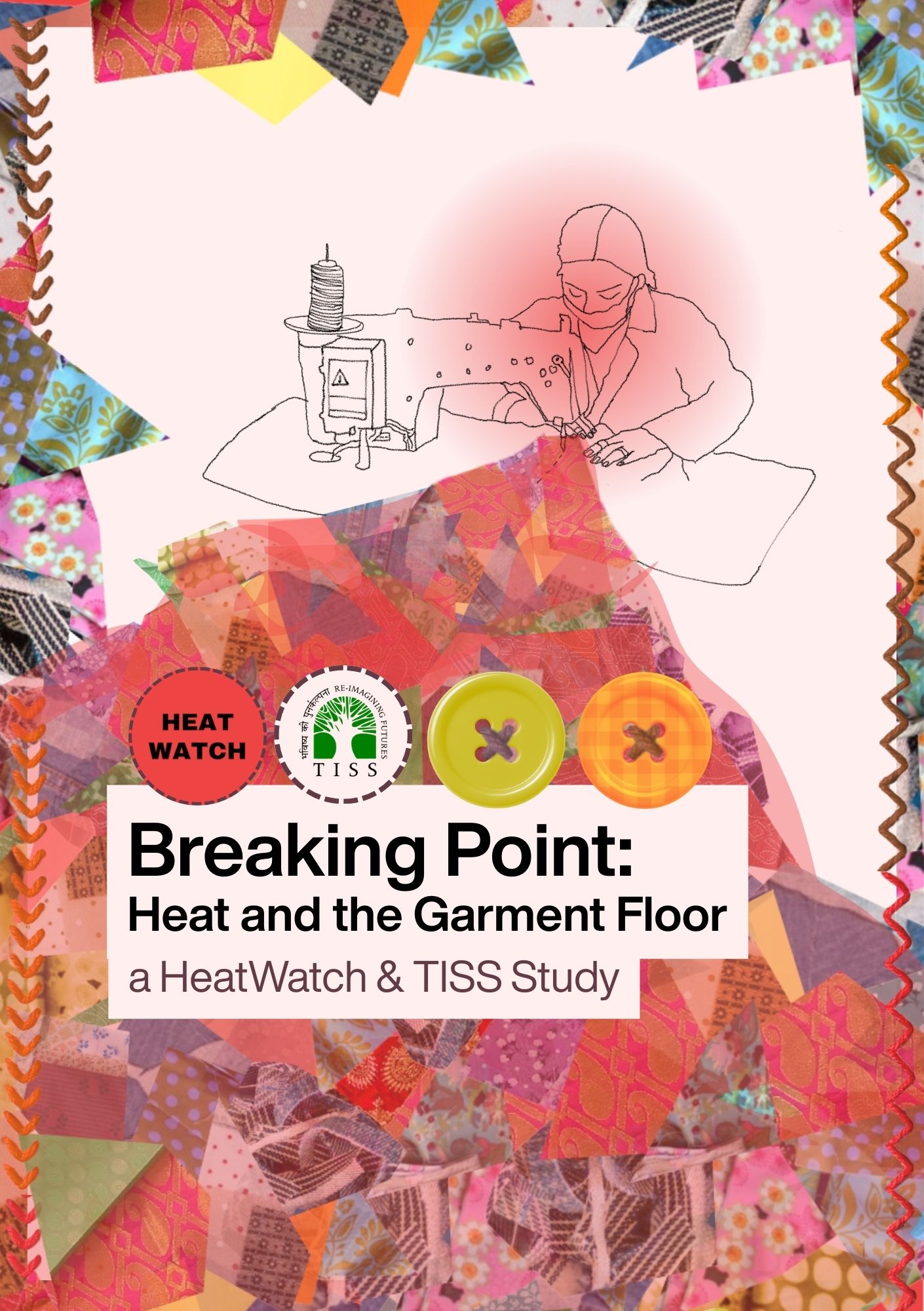
Breaking Point: Heat and the Garment Floor
This report by HeatWatch in collaboration with the Tata Institute of Social Sciences, Mumbai, is based on our research with 115 garment factory workers in Tamil Nadu and Delhi and interviews with factory management across 15 garment and textile units in Tiruppur in Tamil Nadu, Faridabad and Noida in Delhi-NCR, and Surat in Gujarat to establish a baseline of physical infrastructure, operational policies, and health and safety systems.
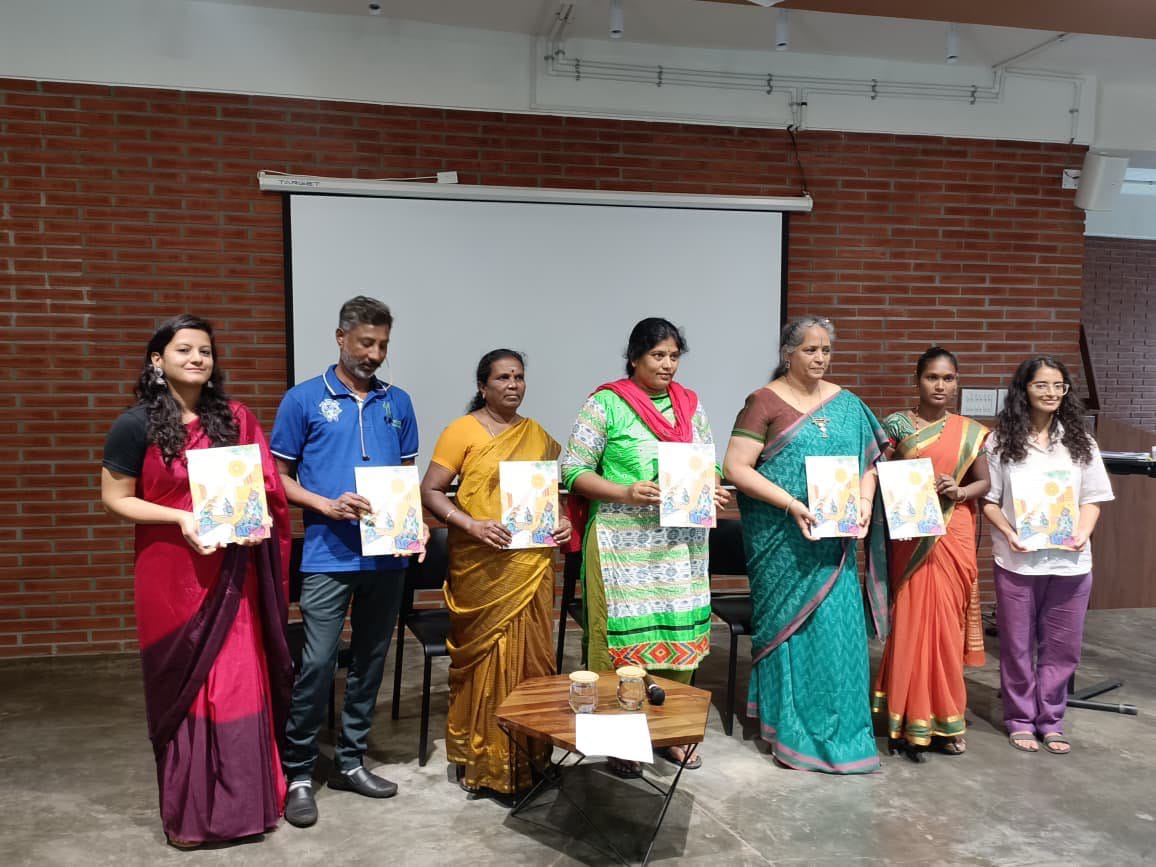
Rising Heat and Waste Workers: Impact of Heat Stress on the Livelihood and Health of Waste Workers in Bengaluru
Heatwatch and Hasiru Dala have launched a new report exploring the growing threat of extreme heat in Bengaluru and its disproportionate impact on waste workers.
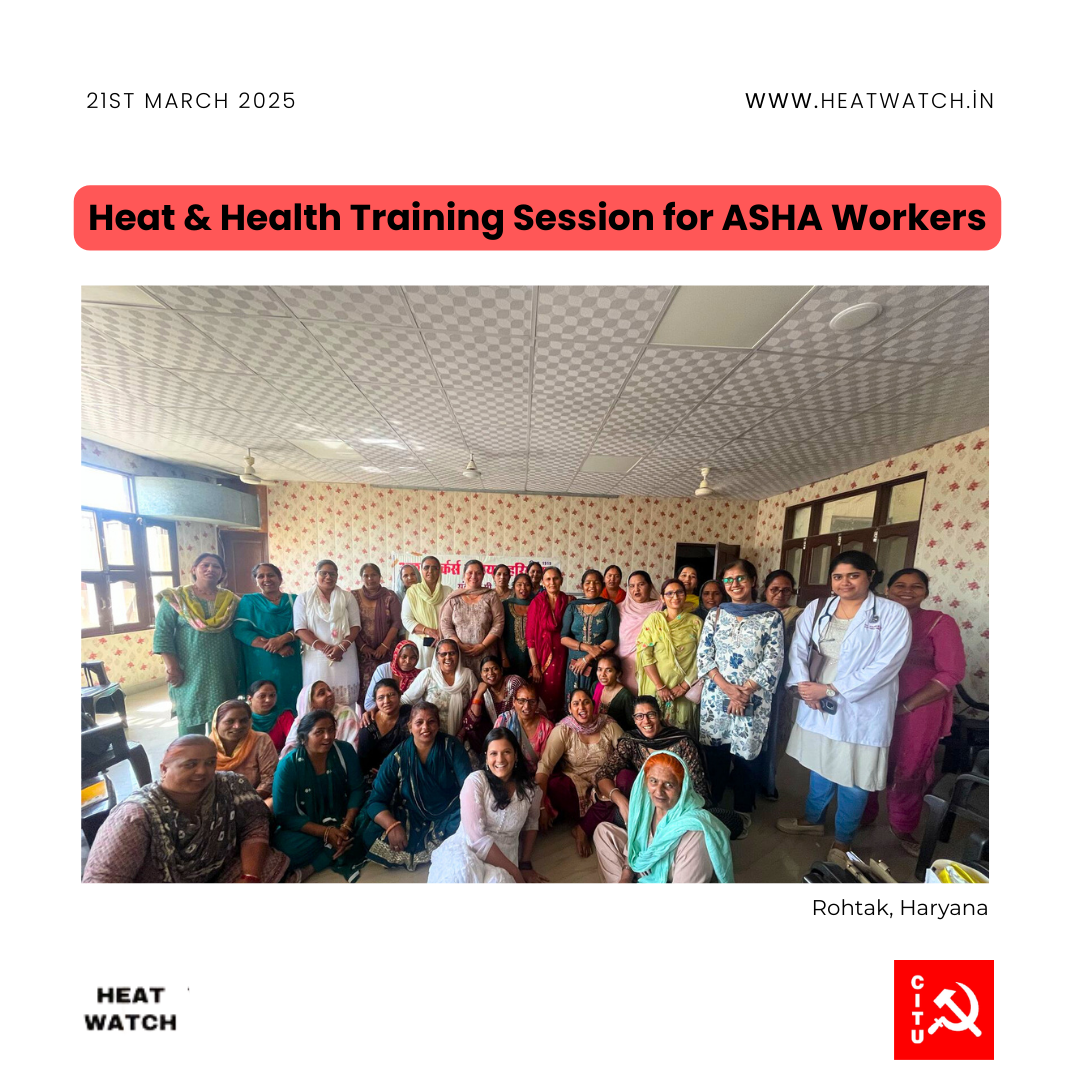
PRESS RELEASE: HeatWatch & CITU Haryana Train ASHA Workers in Rohtak on Heat & Health Preparedness
HeatWatch and Centre of Indian Trade Unions (CITU) Haryana Organise Heat and Health Awareness Training for ASHA Workers in Rohtak on March 20, 2025