
Blog & Updates
Heat and Health at Work: A practical learning curriculum for ASHA workers
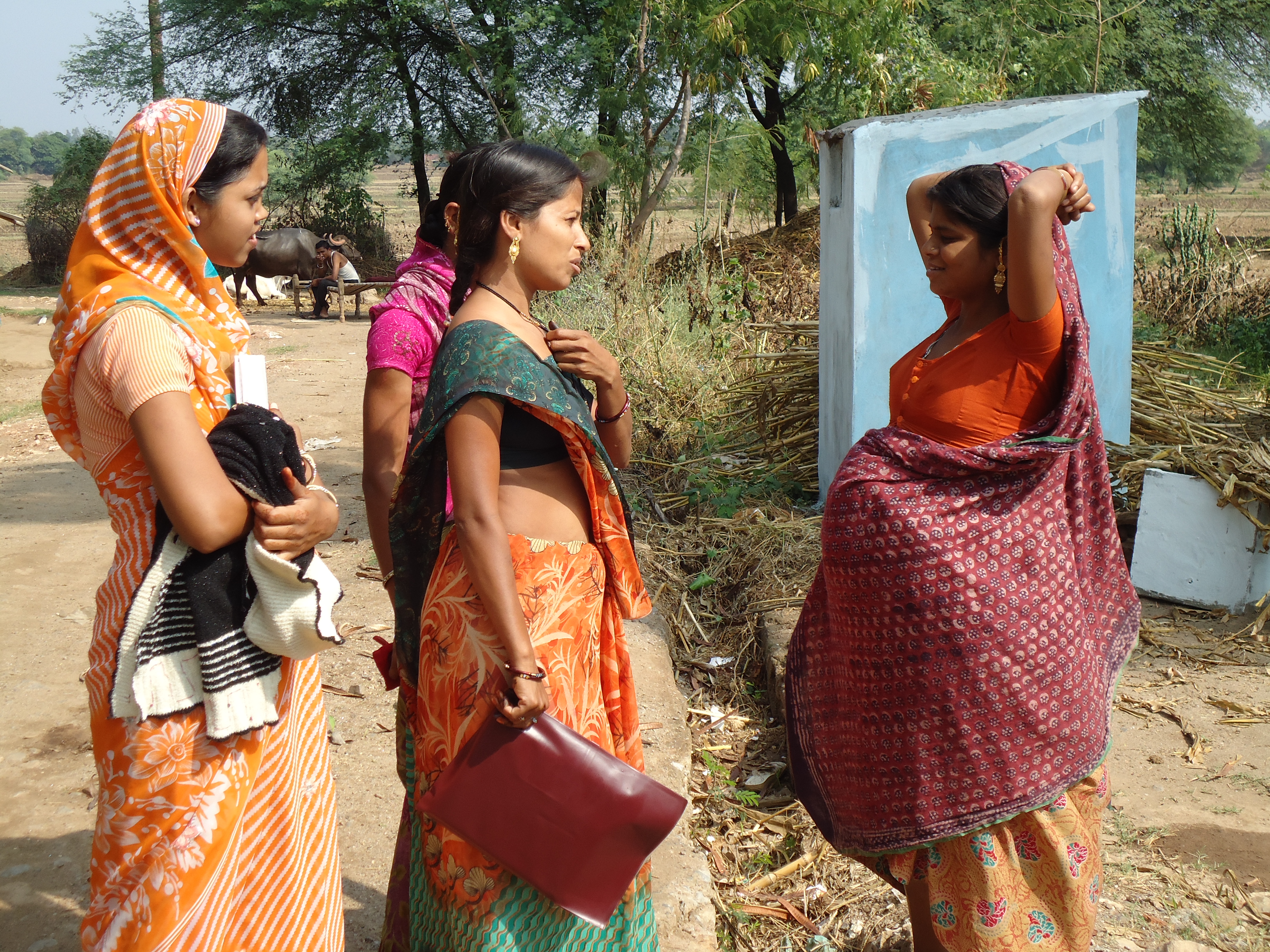
Across Indian cities, extreme heat has become a daily occupational hazard for outdoor workers. ASHAs, Accredited Social Health Activists, work long hours outdoors during peak summer months, with 83.7% exposed during peak heat hours (HeatWatch, 2025). They also support those most at risk of heat stress, such as pregnant women, infants, and older persons, through home visits, community outreach, and VHNDs. Due to the door-to-door travel required for their work and the lack of amenities like washrooms and drinking water, ASHAs have reported dehydration (68%), exhaustion (67%), and gastrointestinal or skin problems (55%). A striking 23% have also reported outright heat stroke (HeatWatch, 2025).
The ASHA Heat Management Workshop curriculum is designed as a 1.5-hour, practical and participatory training that strengthens self-protection and community response. Through short videos, case stories, and demonstrations, ASHAs build the ability to recognise early signs of heat stress, including dehydration, heat cramps, heat exhaustion and heat stroke, differentiate between severity levels, and deliver basic first-aid care. A simple “Identify-Cool-Call” emergency principle is reinforced through mock drills, alongside practical tools like ORS preparation and a urine colour chart to detect dehydration early.
A core focus of the curriculum is women’s health in heat because heat exposure intersects with menstruation, anaemia, pregnancy, and lactation, exacerbating the symptoms experienced. The module helps ASHAs understand how heat can worsen menstrual cramps, contribute to UTIs when water intake is reduced due to lack of toilets, and increase risks during pregnancy. It also creates space to discuss taboos and enable peer support, so ASHAs feel safer seeking help early.
By the end of the session, ASHAs should be able to apply heat-safe work practices like hydration, rest breaks, breathable clothing, meal timing, identify heat illness in themselves and households, respond quickly to emergencies, and integrate heat-risk messaging into routine outreach. At the same time, they would be equipped with building local peer circles to collectively raise needs such as water access, shade, and safer working conditions during heatwaves.
Read the document here.
Related Content
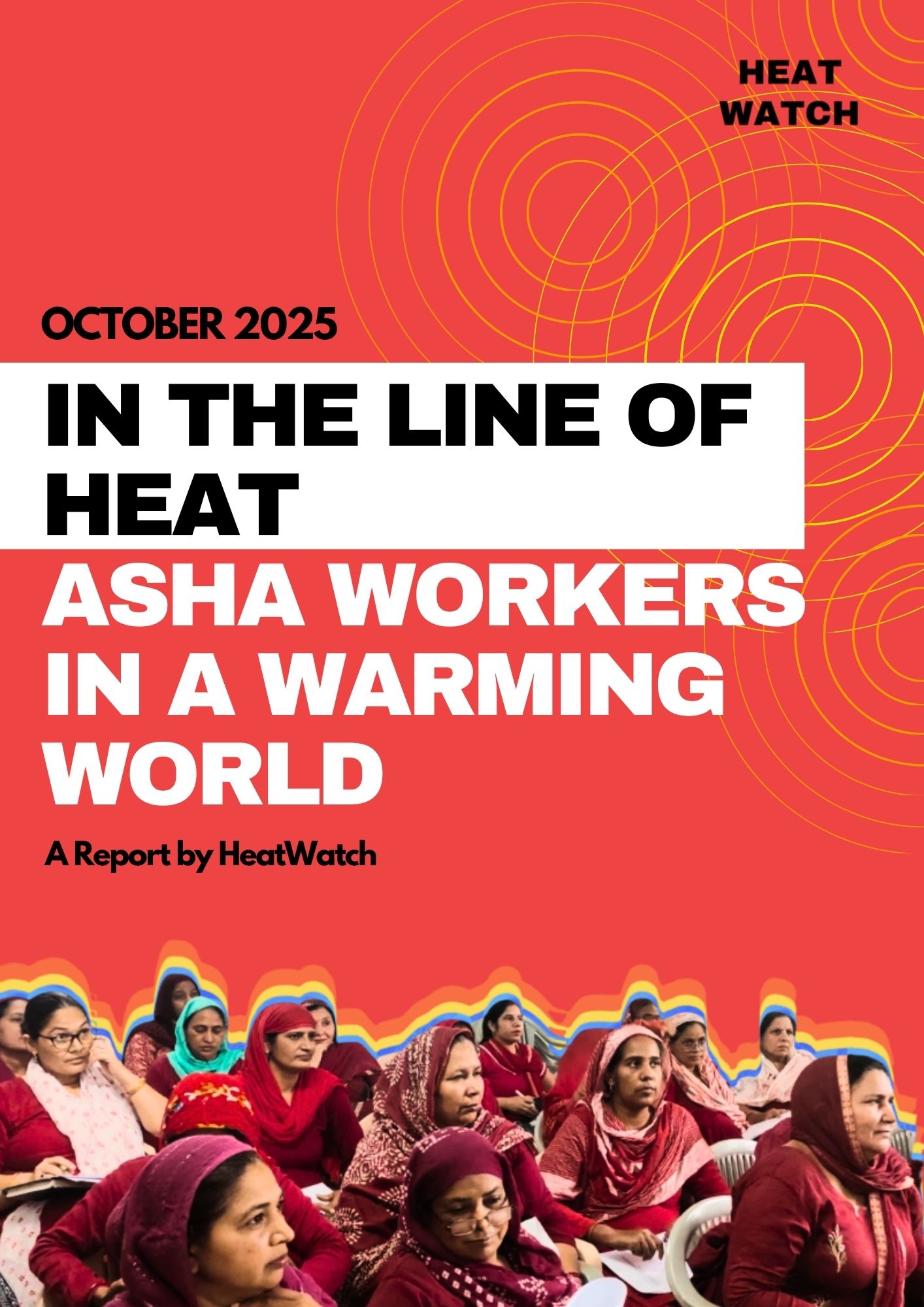
REPORT | In the line of heat -- ASHAs in a warming world
This report presents a comprehensive study on the effects of extreme heat on Accredited Social Health Activist (ASHA) workers in Haryana, exploring their work conditions, health challenges, and institutional support.
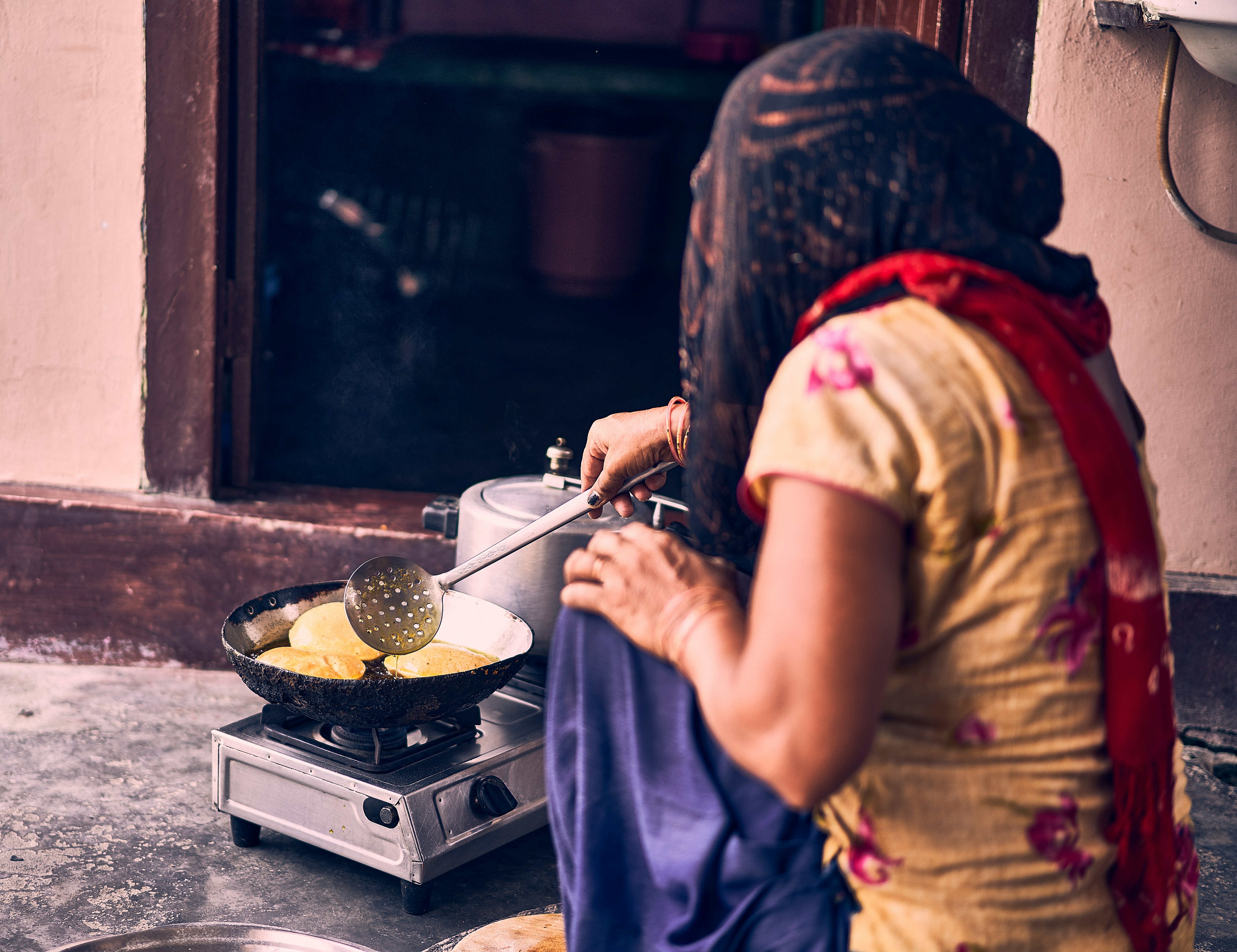
In the Growing Heat: A Day in the Life of a Domestic Worker
Working across seven houses, Matol’s experience highlights the stark inequalities in how India’s classes experience and cope with extreme heat.
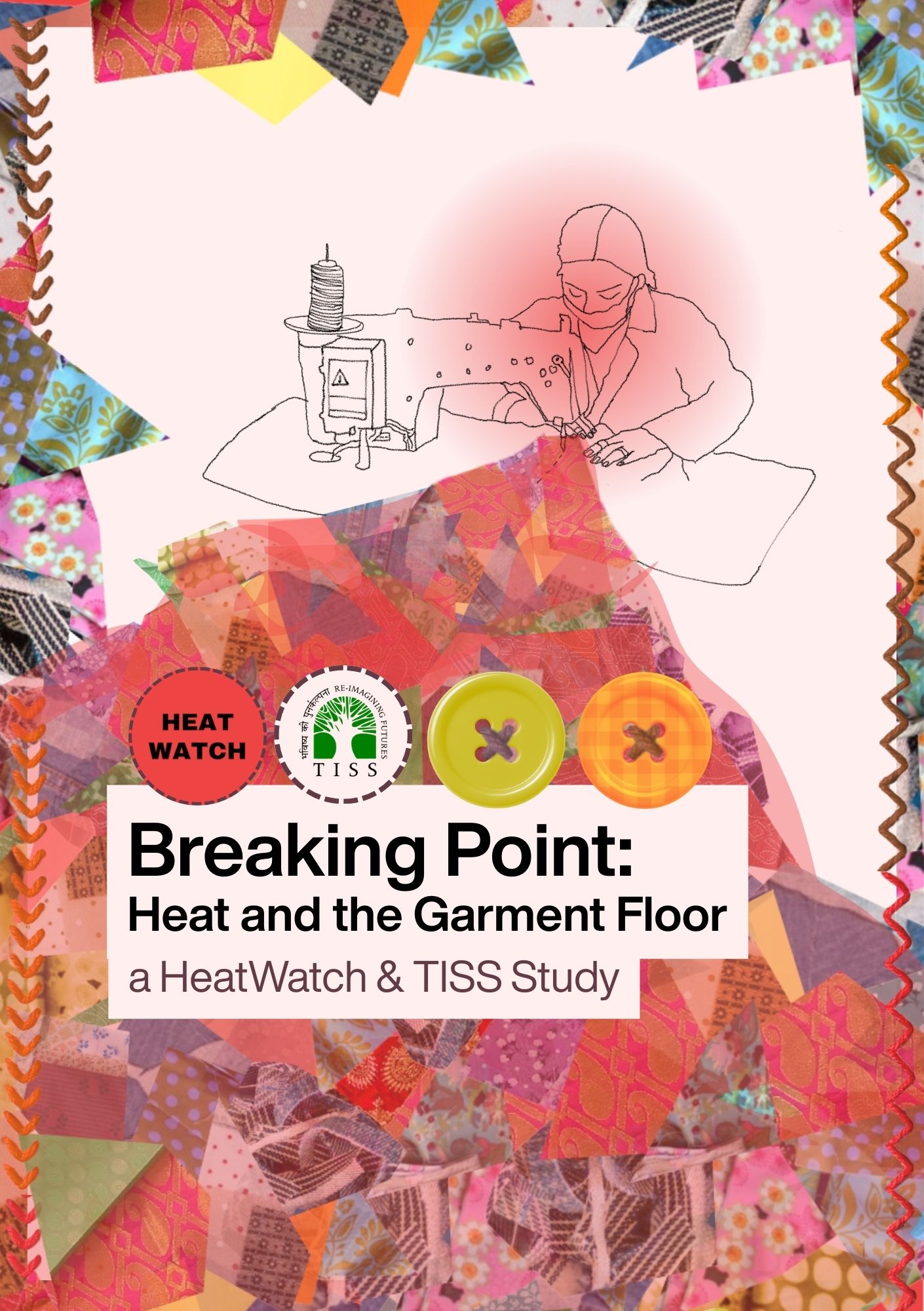
Breaking Point: Heat and the Garment Floor
This report by HeatWatch in collaboration with the Tata Institute of Social Sciences, Mumbai, is based on our research with 115 garment factory workers in Tamil Nadu and Delhi and interviews with factory management across 15 garment and textile units in Tiruppur in Tamil Nadu, Faridabad and Noida in Delhi-NCR, and Surat in Gujarat to establish a baseline of physical infrastructure, operational policies, and health and safety systems.