
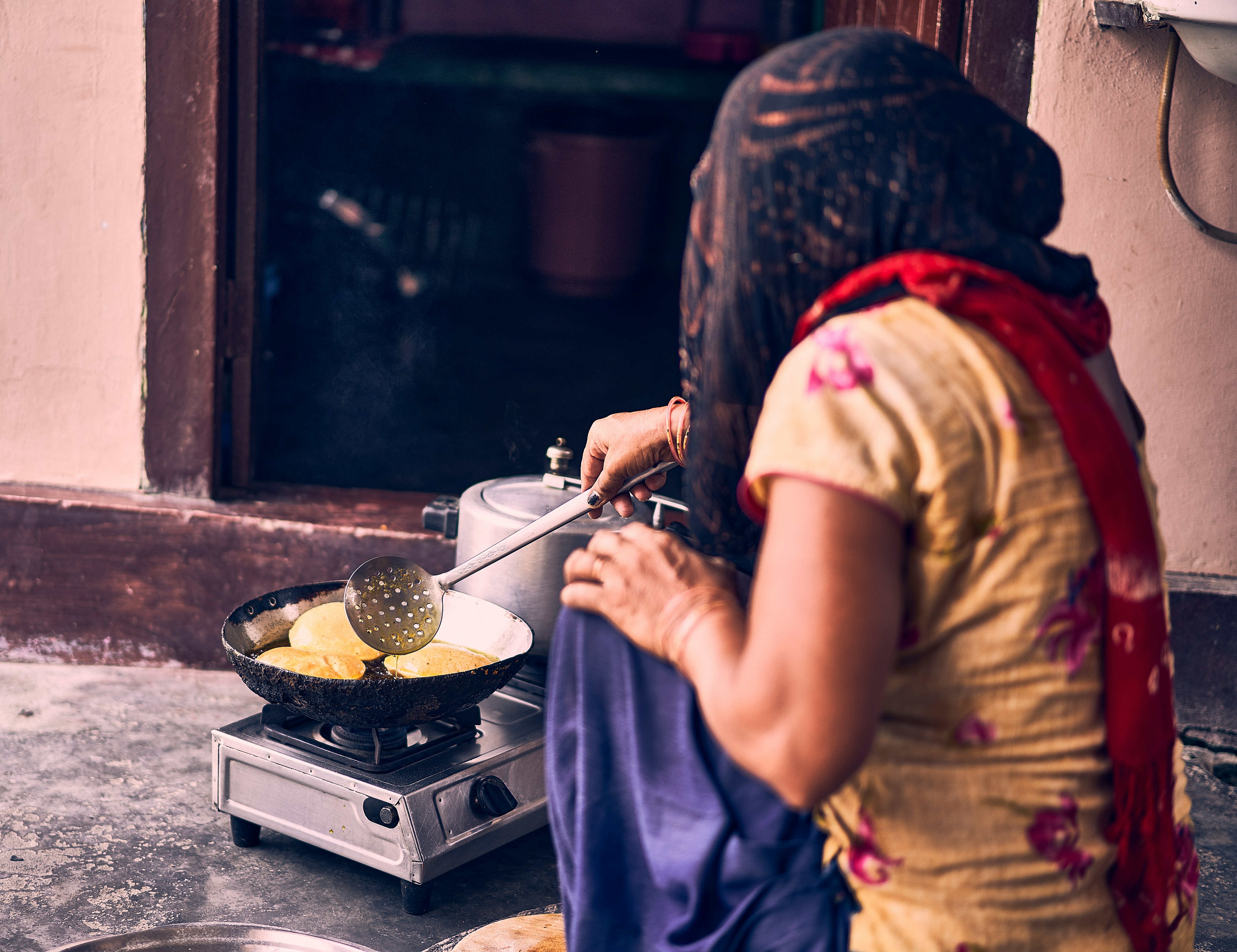
As the sun rises with the morning Azaan, Matol’s day begins like thousands of other domestic workers across India. Increasingly, her work – and life – is being shaped by a force that shows no signs of relenting: rising temperatures that make even the earliest hours of the day a struggle.
While her typical workday starts at 7 AM, the summer months have forced her to make changes. "The sun is out early now. And the rays pierce through your skin," says Matol, who has worked as a domestic worker for six years in an urban neighborhood in Bhubaneswar, Odisha. She now begins as early as 6 AM in some households with school-going children, trying to complete her tasks before the worst of the heat sets in.
Working across seven houses, Matol’s experience highlights the stark inequalities in how India’s classes experience and cope with extreme heat.
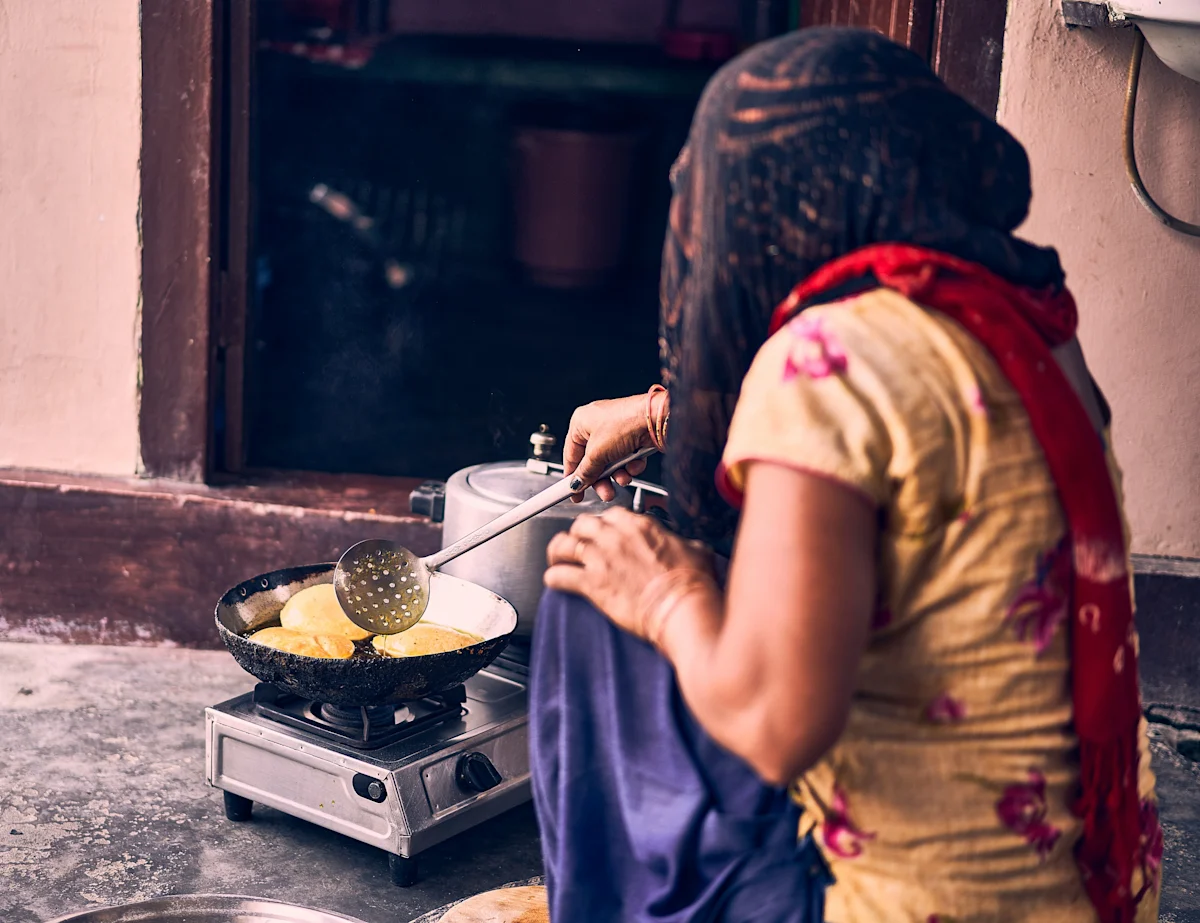
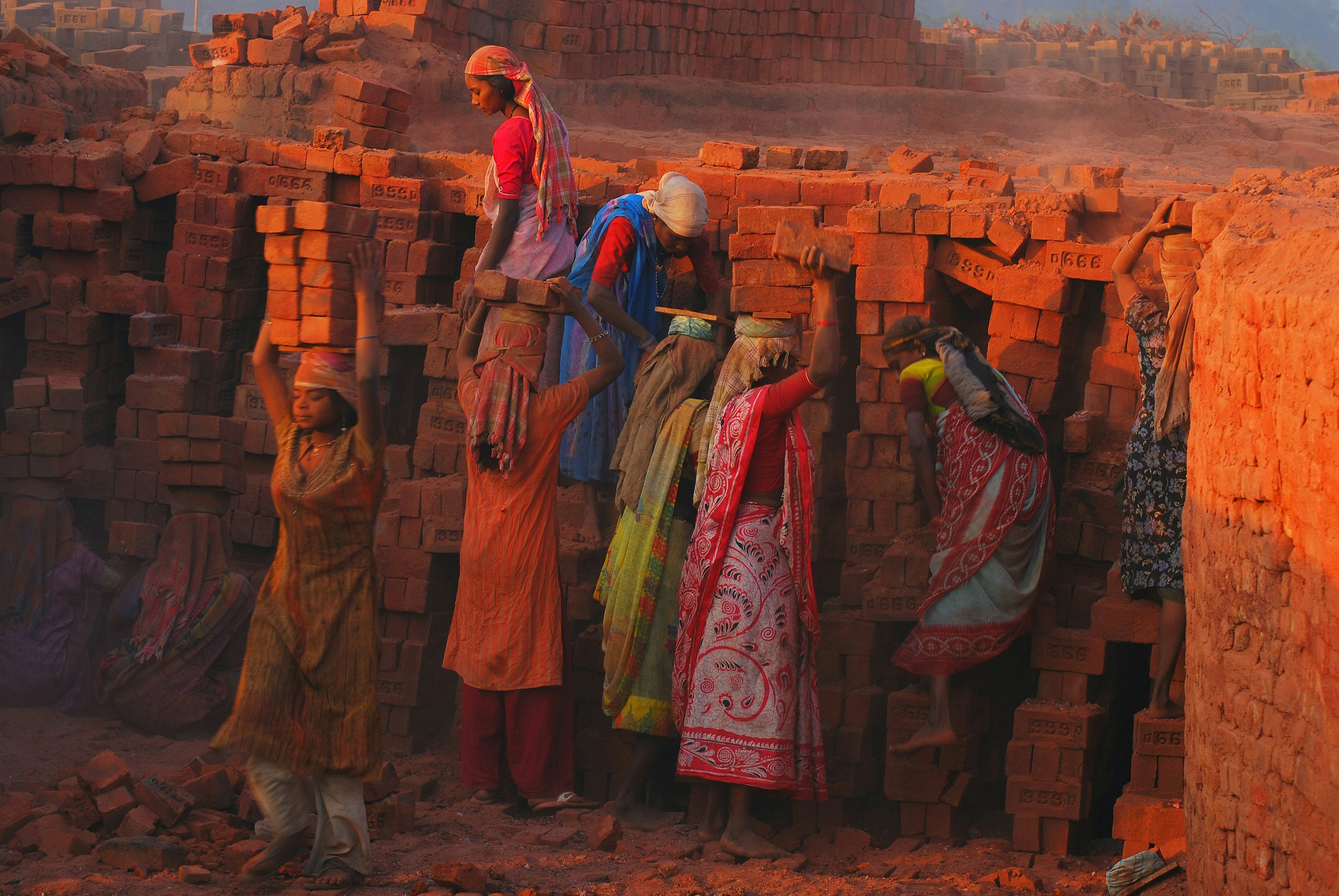
Photo by Ashwini Chaudhary(Monty) on Unsplash
Work conditions and health impacts
The physical toll of working in these conditions is significant.. "I feel more tired in summer. It is unbearable even if I work early hours," Matol says. Though Matol has access to drinking water in all the houses where she works – a basic necessity some domestic workers are denied – the broader support system for dealing with heat-related health issues remains inadequate.
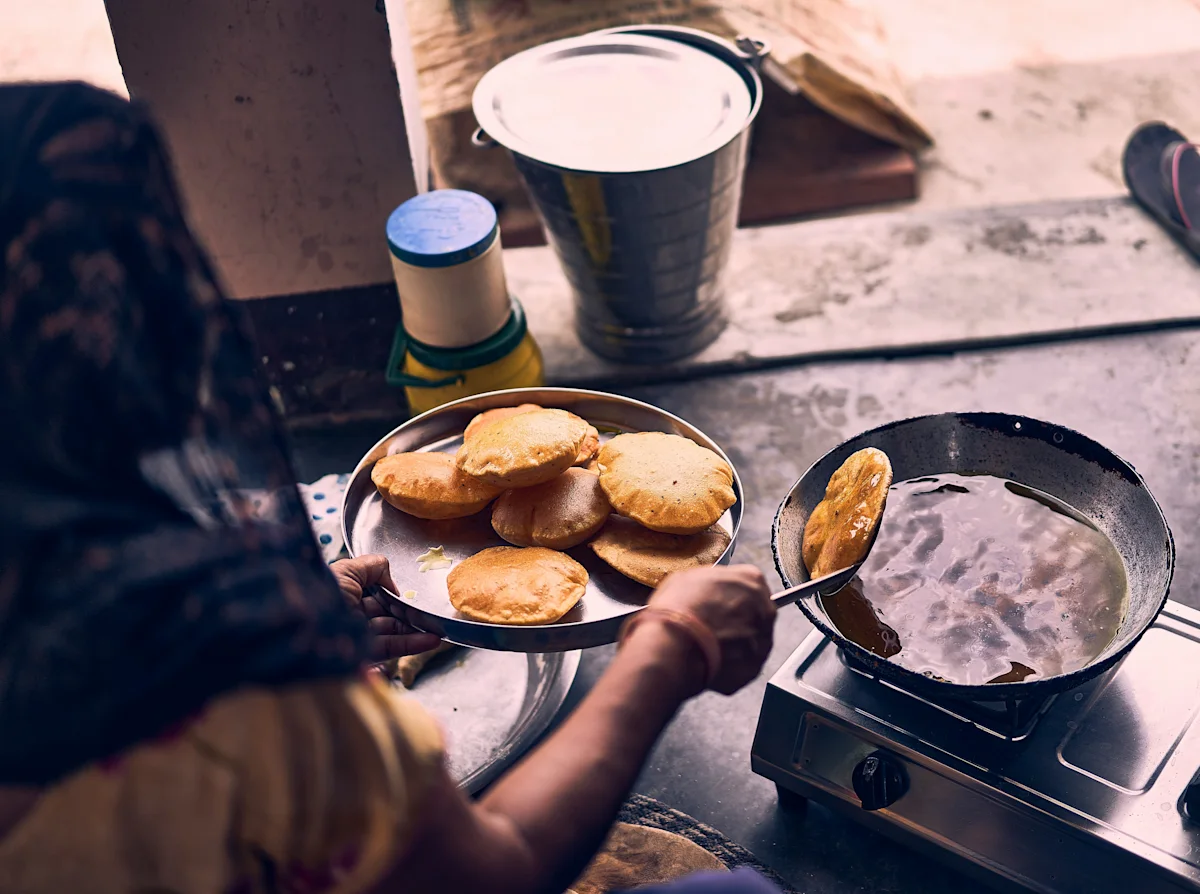
Photo by Ashwini Chaudhary(Monty) on Unsplash
A few employers are kinder, offering relief in the form of cool drinks like Torani (a traditional drink) or ORS (Oral Rehydration Solution), but others are less accommodating. The health implications go beyond the immediate discomfort of thirst. Matol describes a constellation of symptoms: dehydration, fever, and exhaustion that occasionally forces her to skip work entirely. She isn't aware of heat stress as a medical condition, despite experiencing its symptoms regularly. After one particularly difficult period, an employer suggested she visit the local dispensary, where the doctor attributed her symptoms to dehydration and acidity.
The medical advice – to get better sleep – highlights the cruel irony of her situation. "How do I sleep?" she asks, explaining how the single table fan in her home merely circulates warm air.
Disparities
Everyone in Matol’s neighbourhood faces the full brunt of outages. "There is an issue of frequent power cuts so sleep gets affected at night," she says.
The structure of her home is an additional factor: the asbestos roof traps heat, making rest nearly impossible."At my house, it is more suffocating," she explains. "It is a small house. Sometimes I also get a fever and feel dehydrated." With only a table fan providing little relief from the warm air, nights become an ordeal of discomfort and sleeplessness.
Summer 2024 was particularly brutal. "We spent sleepless nights because it was still hot indoors even at night," she recalls. "Headache is a constant. The intensity would be less and sometimes more but I always got headaches."
In contrast, employers' homes are equipped with inverters and generators that keep fans and air conditioners running even during power cuts.
Zooming out: coping responses and needs “I prefer working early hours in summer,” Matol says. “It becomes very hot even at 8 AM.” This adjustment to her working hours keeps her at home during the worst of the heat, but that’s not enough. “Even going back home at 10 in the morning becomes unbearable.” Another span of work takes place in the late evenings from 4PM-7PM, after which she rushes back to cook for the night. Her entire family's well-being is affected each summer. "In the summer everyone is exhausted," she says. "I still have to work and take care of my family despite the struggles. There is no respite."
Traditional coping mechanisms, like consuming pakhala (fermented rice water) and curd, provide some relief. Some employers offer seasonal fruits like watermelon or mangoes, and occasionally fruit juice. “I have been given an umbrella by one employer,” she says. “I use that during summer and monsoon.” However, these individual acts of kindness don't address the systemic challenges domestic workers face in dealing with extreme heat.
She earns an average of 14,000 INR per month, with deductions for missing work. While some employers respond with understanding, others react poorly to heat-related absences. "1-2 employers did not react well. They deducted the amount from my salary," she says, underscoring how economic penalties compound physical suffering.
Matol’s primary need is simple yet crucial: paid sick leave, especially during summer months. This basic labour protection, taken for granted in many professions, remains elusive for domestic workers like her. When asked about unions or workers' associations addressing these issues, she responds, "I'm not part of any group. There is no time."
The growing challenge of heat stress among domestic workers represents a complex intersection of climate change, labour rights, and social inequality. While their employers can shelter from the worst effects of rising temperatures, domestic workers like Matol face increasing physical demands with limited social protection or support. As temperatures continue to rise globally, the need for systemic action – from improved working conditions to basic labour protections – have become urgent for this vital and vulnerable workforce.
କ୍ରମ ବର୍ଦ୍ଧମାନ ତାପମାତ୍ରା ଜନିତ ଗରମରେ ଘରୋଇ ଶ୍ରମିକଙ୍କ ଜୀବନରେ ଗୋଟିଏ ଦିନ |
ମାଟୋଲ, ବୟସ ୪୫
ସକାଳରେ ଆଜାନ୍ ସହ ଉଦୟ ହେଉଥିବା ସୂର୍ଯ୍ୟର ଆଲୋକ ମାଟୋଲଙ୍କ ଦିନ ଆରମ୍ଭ କରେ, ଏବଂ ଏହି ଦୃଶ୍ୟ ଭାରତର ହଜାର ହଜାର ଶ୍ରମିକଙ୍କ ଦୃଶ୍ୟରେ ଏକ ସାଧାରଣ ଘଟଣା। ତେବେ, ମାଟୋଲଙ୍କ ଜୀବନ ଏବଂ କାମକୁ ଏକ ଅପରିହାର୍ଯ୍ୟ ଶକ୍ତି ଗଠିତ କରୁଛି – ଏବଂ ସେ ଶକ୍ତି କୌଣସି ମାତ୍ରାରେ ପରିବର୍ତ୍ତନ ହେବାର ଚିହ୍ନ ଦେଖାଏ ନାହିଁ।ତାପମାତ୍ରା ବୃଦ୍ଧି ଯାହା ଦିନର ପ୍ରଥମ ଘଣ୍ଟାକୁ ମଧ୍ୟ ସଂଘର୍ଷମୟ କରିଥାଏ | ସାଧାରଣତଃ ସେ ସକାଳ ୭ଟାରୁ କାମ ଆରମ୍ଭ କରନ୍ତି, କିନ୍ତୁ ଗ୍ରୀଷ୍ମ ଋତୁରେ ତାଙ୍କୁ ପରିବର୍ତ୍ତନ କରିବାକୁ ବାଧ୍ୟ କରିଛି। "ସୂର୍ଯ୍ୟ ବହୁତ ଶୀଘ୍ର ଉଦୟ କରେ। ଏବଂ ସେହି ଧୂପ ଚାମ୍ରାକୁ ଛିଦ୍ର କରି ଯାଏ," ଭୁବନେଶ୍ୱର ଏକ ଶହରୀ ଅଞ୍ଚଳରେ ଛଅ ବର୍ଷ ଧରି ଗୃହକାର୍ଯ୍ୟିନୀ ଭାବରେ କାମ କରୁଥିବା ମାଟୋଲ କହିଲେ। ସେ ବର୍ତ୍ତମାନ କିଛି ଘରରେ ସକାଳ ୬ଟାରୁ କାମ ଆରମ୍ଭ କରନ୍ତି, ଏହି ଆଶାରେ ଯେ ଅତ୍ୟଧିକ ଉତ୍ତାପ ପୂର୍ବରୁ ସେ ନିଜ କାର୍ଯ୍ୟ ସମାପ୍ତ କରିବାକୁ ଚେଷ୍ଟା କରିପାରିବେ।
ମାଟୋଲ ସାତଟି ଘରରେ କାମ କରନ୍ତି, ଏବଂ ତାଙ୍କ ଅନୁଭବ ଏହା ଦର୍ଶାଏ ଯେ ଭାରତର ଏକ ଅଞ୍ଚଳର ଧନୀ ଏବଂ ଗରିବ ଲୋକ କିପରି ଭିନ୍ନଭିନ୍ନ ଭାବରେ ଏହି ଅତ୍ୟଧିକ ଉତ୍ତପ୍ତ ଜଳବାୟୁ ର ସମ୍ମୁଖୀନ ହେଉଛନ୍ତି ଏବଂ ତାହା ସେଥିରେ ଅସମାନତାକୁ ଆଲୋକପାତ କରେ
Unsplash ରେ ଆଶ୍ୱିନୀ ଚୌଧୁରୀ (ମୋଣ୍ଟି) ଙ୍କ ଦ୍ୱାରା ତୁଳିତ ଫୋଟୋ
କାର୍ଯ୍ୟ ଅବସ୍ଥା ଏବଂ ସ୍ୱାସ୍ଥ୍ୟ ଉପରେ ପ୍ରଭାବ |
ଏପରି ପରିସ୍ଥିତିରେ କାମ କରିବା ଶାରୀରିକ ଭାବରେ ଅତ୍ୟନ୍ତ କ୍ଷତିକାରକ। "ଗ୍ରୀଷ୍ମ ଋତୁରେ ମୁଁ ଅଧିକ କ୍ଲାନ୍ତି ଅନୁଭବ କରେ। ଯେତେ ଶୀଘ୍ର କାମ କରି ଶେଷ କରିଦେଉ ମଧ୍ୟ, ସହିବା ଯାଏ ନାହିଁ," ମାଟୋଲ କହନ୍ତି। ଯଦିଓ ସେ କାର୍ଯ୍ୟ କରୁଥିବା ସମସ୍ତ ଘରେ ପାନୀୟ ଜଳର ସୁବିଧା ଅଛି - ଏକ ଘରୋଇ ଆବଶ୍ୟକତାକୁ କେତେକ ଘରୋଇ କର୍ମଚାରୀ ପ୍ରତ୍ୟାଖ୍ୟାନ କରିଛନ୍ତି - ଉତ୍ତାପ ସମ୍ବନ୍ଧୀୟ ସ୍ୱାସ୍ଥ୍ୟ ସମସ୍ୟାର ମୁକାବିଲା ପାଇଁ ବ୍ୟାପକ ସହାୟତା ବ୍ୟବସ୍ଥା ପର୍ଯ୍ୟାପ୍ତ ନୁହେଁ |
Unsplash ରେ ଆଶ୍ୱିନୀ ଚୌଧୁରୀ (ମୋଣ୍ଟି) ଙ୍କ ଦ୍ୱାରା ତୁଳିତ ଫୋଟୋ
କିଛି ନିଯୁକ୍ତିଦାତା ଦୟାଳୁ ଅଟନ୍ତି, ତୋରାଣି (ଏକ ପାରମ୍ପାରିକ ପାନୀୟ) କିମ୍ବା ORS (ଓରାଲ୍ ରିହାଇଡ୍ରେସନ୍ ସଲ୍ୟୁସନ୍) ପରି ଥଣ୍ଡା ପାନୀୟ ଆକାରରେ ରିଲିଫ୍ ପ୍ରଦାନ କରନ୍ତି, କିନ୍ତୁ ଅନ୍ୟମାନେ ଏହାକୁ ଗୋଟିଏ ଅଗ୍ରାହ୍ଯ ବିଷୟ ଭାବି ଚାଲିଯାଆନ୍ତି। ସ୍ୱାସ୍ଥ୍ୟର ପ୍ରଭାବ ତୃଷାର ତୁରନ୍ତ ଅସ୍ୱାଭାବିକତାକୁ ଅତିକ୍ରମ କରେ |ମ୍ୟାଟୋଲ୍ ଲକ୍ଷଣର ଏକ ସମୂହ ବର୍ଣ୍ଣନା କରନ୍ତି। ଡିହାଇଡ୍ରେସନ୍, ଜ୍ୱର, ଏବଂ କ୍ଲାନ୍ତି ଯାହା ବେଳେବେଳେ ତାଙ୍କୁ ସମ୍ପୂର୍ଣ୍ଣ ଭାବରେ କାମ ଛାଡିବାକୁ ବାଧ୍ୟ କରିଥାଏ | ଏହାର ଲକ୍ଷଣଗୁଡିକ ନିୟମିତ ଅନୁଭବ କରିବା ସତ୍ତ୍ବେ ସେ ଚିକିତ୍ସା ଅବସ୍ଥା ଭାବରେ ଉତ୍ତାପ ପରିଣାମ ବିଷୟରେ ଅବଗତ ନୁହଁନ୍ତି | ଏକ ବିଶେଷ କଠିନ ଅବଧି ପରେ, ଜଣେ ନିଯୁକ୍ତିଦାତା ତାଙ୍କୁ ସ୍ଥାନୀୟ ଚିକିତ୍ସାଳୟ ପରିଦର୍ଶନ କରିବାକୁ ପରାମର୍ଶ ଦେଇଥିଲେ, ଯେଉଁଠାରେ ଡାକ୍ତର ଏହାର ଲକ୍ଷଣକୁ ଜଳ ଶୂନ୍ୟତା (ଡିହାଇଡ୍ରେସନ୍) ଏବଂ ଅମ୍ଳତା ବୋଲି ଦର୍ଶାଇଥିଲେ |
ଡାକ୍ତରୀ ପରାମର୍ଶ ଭଲ ନିଦ ପାଇବା ପାଇଁ ତାଙ୍କ ପରିସ୍ଥିତିର ନିଷ୍ଠୁର ବିଡ଼ମ୍ବନା ଉପରେ ଆଲୋକପାତ କରେ | "ମୁଁ କେମିତି ଶୋଇବି?" ସେ ପଚାରନ୍ତି, ତାଙ୍କ ଘରେ ଥିବା ଏକକ ଟେବୁଲ ଫ୍ୟାନ କିପରି କେବଳ ଉଷ୍ମ ବାଯ଼ୁ ସଞ୍ଚାଳନ କରେ ତାହା ବର୍ଣ୍ଣନା କରନ୍ତି |
ପାର୍ଥକ୍ୟ | ମାଟୋଲଙ୍କ ପଡ଼ୋଶୀ ସମସ୍ତେ ଅଘଟଣର ସମ୍ମୁଖୀନ ହେଉଛନ୍ତି | ସେ କୁହନ୍ତି, ବାରମ୍ବାର ବିଦ୍ୟୁତ କାଟର ଏକ ସମସ୍ୟା ରହିଛି ତେଣୁ ରାତିରେ ଶୋଇବା ପ୍ରଭାବିତ ହୁଏ।
ତାଙ୍କ ଘରର ଗଠନ ଏକ ଅତିରିକ୍ତ କାରଣ: ଆଜବେଷ୍ଟସ ଛାତ ଉତ୍ତାପକୁ ଫାନ୍ଦରେ ପକାଇଥାଏ, ଯାହା ବିଶ୍ରାମକୁ ପ୍ରାୟ ଅସମ୍ଭବ କରିଥାଏ | ମୋ ଘରେ ଏହା ଅଧିକ ଶ୍ୱାସରୁଦ୍ଧ ଅଟେ | "ଏହା ଏକ ଛୋଟ ଘର। ବେଳେବେଳେ ମୁଁ ଜ୍ୱର ମଧ୍ୟ ପାଇଥାଏ ଏବଂ ଡିହାଇଡ୍ରେଟ୍ ଅନୁଭବ କରେ।" କେବଳ ଏକ ଟେବୁଲ୍ ଫ୍ୟାନ୍ ଗରମ ପବନରୁ ସାମାନ୍ୟ ଆରାମ ପ୍ରଦାନ କରେ, ରାତିଗୁଡ଼ିକ ଅସ୍ୱାଭାବିକତା ଏବଂ ନିଦ୍ରାହୀନତାର ଏକ କଷ୍ଟ ଅଗ୍ନିପରୀକ୍ଷାରେ ପରିଣତ ହୁଏ |
ଗତ ଗ୍ରୀଷ୍ମ ବିଶେଷ ଭାବେ ନିର୍ଦ୍ଦୟ ଥିଲା | ସେ ସ୍ମରଣ କରନ୍ତି, "ଆମେ ନିଦ୍ରାହୀନ ରାତି ବିତାଇଥିଲୁ କାରଣ ରାତିରେ ମଧ୍ୟ ଘର ଭିତରେ ଗରମ ଥିଲା।" "ମୁଣ୍ଡବିନ୍ଧା ଏକ ସ୍ଥାୟୀ ସମସ୍ୟା ଅଟେ। ମୁଣ୍ଡବିନ୍ଧା ଏହାର ତୀବ୍ରତା କମ୍ ଏବଂ ବେଳେବେଳେ ଅଧିକ ହେବ କିନ୍ତୁ ମୁଁ ସବୁବେଳେ ମୁଣ୍ଡବିନ୍ଧା ଅନୁଭବ କରୁଥିଲି। " ଅପରପକ୍ଷରେ, ନିଯୁକ୍ତିଦାତାଙ୍କ ଘରେ ଇନଭର୍ଟର ଏବଂ ଜେନେରେଟର ରହିଛି, ଯାହା ବିଦ୍ୟୁତ କାଟ ସମଯ଼ରେ ମଧ୍ଯ ଫ୍ୟାନ ଏବଂ ଏଯ଼ାର କଣ୍ଡିସନରକୁ ଚାଲୁ ରଖିଥାଏ।
ଜୁମ୍ ଆଉଟ୍: ପ୍ରତିକ୍ରିୟା ଏବଂ ଆବଶ୍ୟକତାକୁ ମୁକାବିଲା କରିବା |
ମାଟୋଲ କୁହନ୍ତି, “ମୁଁ ଗ୍ରୀଷ୍ମ ଋତୁ ରେ ଶୀଘ୍ର କାମ କରିବାକୁ ପସନ୍ଦ କରେ। ସକାଳ 8 ଟାରେ ମଧ୍ୟ ଏହା ଅତ୍ୟଧିକ ଗରମ ହୋଇଯାଏ। ” ତା’ର କାର୍ଯ୍ୟ ସମୟ ସହିତ ଏହି ସମାଯୋଜନ ତାଙ୍କୁ ଅତ୍ୟଧିକ ଗରମ ସମୟରେ ଘରେ ରଖେ, କିନ୍ତୁ ତାହା ଯଥେଷ୍ଟ ନୁହେଁ | ଏପରିକି ସକାଳ 10 ଟାରେ ଘରକୁ ଫେରିବା ଅସହ୍ୟ ହୋଇଯାଏ। ” କାର୍ଯ୍ୟର ଅନ୍ୟ ଏକ ସମୟ ବିଳମ୍ବିତ ସନ୍ଧ୍ୟାରେ 4 PM-7PM ରୁ ହୋଇଥାଏ, ଯାହା ପରେ ସେ ରାତି ପାଇଁ ରୋଷେଇ କରିବାକୁ ଯାଆନ୍ତି | ପ୍ରତ୍ୟେକ ଗ୍ରୀଷ୍ମ ଋତୁ ରେ ତାଙ୍କ ପରିବାରର ଉନ୍ନତି ପ୍ରଭାବିତ ହୁଏ | ସେ କୁହନ୍ତି, ଗ୍ରୀଷ୍ମ କାଳ ରେ ସମସ୍ତେ କ୍ଳାନ୍ତ ହୋଇଯାଆନ୍ତି। "ତଥାପି ସଂଘର୍ଷ ସତ୍ତ୍ୱେ ମୋତେ କାମ କରିବାକୁ ଏବଂ ମୋର ପରିବାରର ଯତ୍ନ ନେବାକୁ ପଡ଼ିବ। ସେଠାରେ କୌଣସି ଅବସର ନେବାର ପ୍ରଶ୍ନ ନାହିଁ।"
ପାରମ୍ପାରିକ ମୁକାବିଲା ପ୍ରଣାଳୀ, ଯେପରିକି ପଖାଳ ଏବଂ ଦହି ଖାଇବା ଦ୍ୱାରା କିଛି ଆରାମ ମିଳିଥାଏ | କିଛି ନିଯୁକ୍ତିଦାତା ତରଭୁଜ କିମ୍ବା ଆମ୍ବ ପରି ଋତୁକାଳୀନ ଫଳ, ଏବଂ ବେଳେବେଳେ ଫଳ ରସ ପ୍ରଦାନ କରନ୍ତି | ସେ କୁହନ୍ତି, “ମୋତେ ଜଣେ ନିଯୁକ୍ତିଦାତା ଦ୍ୱାରା ଏକ ଛତା ଦିଆଯାଇଛି। ଗ୍ରୀଷ୍ମ ସମୟରେ ଓ ମୌସୁମୀ ବର୍ଷା ରେ ମୁଁ ଏହାକୁ ବ୍ୟବହାର କରେ। ” ତଥାପି, ଏହି ବ୍ୟକ୍ତିଗତ ଦଯ଼ାଳୁ କାର୍ଯ୍ଯ ଘରୋଇ ଶ୍ରମିକମାନେ ଅତ୍ୟଧିକ ଉତ୍ତାପ ସହିତ ମୁକାବିଲା କରିବାରେ ସମ୍ମୁଖୀନ ହେଉଥିବା ବ୍ୟବସ୍ଥିତ ଆହ୍ୱାନର ସମାଧାନ କରେ ନାହିଁ |
ସେ ନ କରିଥିବା କାମ ପାଇଁ ଦରମା କାଟ ସହିତ ମାସକୁ ହାରାହାରି 14000 ଟଙ୍କା ରୋଜଗାର କରନ୍ତି | କେତେକ ନିଯୁକ୍ତିଦାତା ବୁଝାମଣା ସହିତ ପ୍ରତିକ୍ରିୟା କରୁଥିବାବେଳେ, ଅନ୍ୟମାନେ ଉତ୍ତାପ ସମ୍ବନ୍ଧୀୟ ଅନୁପସ୍ଥିତିରେ ଖରାପ ପ୍ରତିକ୍ରିୟା କରନ୍ତି | ସେ କହିଛନ୍ତି, "1-2 ନିଯୁକ୍ତିଦାତା ଭଲ ପ୍ରତିକ୍ରିୟା କରିନାହାଁନ୍ତି। ସେମାନେ ମୋ ବେତନରୁ ଏହି ରାଶି କାଟି ଦେଇଛନ୍ତି।"
ମାଟୋଲର ପ୍ରାଥମିକ ଆବଶ୍ୟକତା ସରଳ କିନ୍ତୁ ଗୁରୁତ୍ୱପୂର୍ଣ୍ଣଃ ବିଶେଷ କରି ଗ୍ରୀଷ୍ମ ମାସରେ ଦେଯ଼ଯୁକ୍ତ ଅସୁସ୍ଥତା ଛୁଟି। ଏହି ମୌଳିକ ଶ୍ରମ ସୁରକ୍ଷା, ଯାହାକୁ ଅନେକ ବୃତ୍ତିରେ ସ୍ୱୀକାର କରାଯାଏ, ତାଙ୍କ ଭଳି ଘରୋଇ ଶ୍ରମିକଙ୍କ ପାଇଁ ଦୁର୍ଲ୍ଲଭ ହୋଇ ରହିଛି। ଏହି ସମସ୍ଯ଼ାଗୁଡ଼ିକୁ ସମାଧାନ କରୁଥିବା ସଂଘ କିମ୍ବା ଶ୍ରମିକ ସଙ୍ଗଠନଗୁଡ଼ିକ ବିଷଯ଼ରେ ପଚରାଯିବାରୁ ସେ ଉତ୍ତର ଦିଅନ୍ତି, "ମୁଁ କୌଣସି ଗୋଷ୍ଠୀର ଅଂଶ ନୁହେଁ। ସମୟ ମଧ୍ୟ ନାହିଁ "। ଘରୋଇ ଶ୍ରମିକମାନଙ୍କ ମଧ୍ୟରେ ଉତ୍ତାପ ଚାପର ଚ୍ୟାଲେଞ୍ଜ ଜଳବାୟୁ ପରିବର୍ତ୍ତନ, ଶ୍ରମ ଅଧିକାର ଏବଂ ସାମାଜିକ ଅସମାନତାର ଏକ ଜଟିଳ ଛକକୁ ପ୍ରତିପାଦିତ କରେ | ଯେତେବେଳେ ସେମାନଙ୍କର ନିଯୁକ୍ତିଦାତା ତାପମାତ୍ରା ବୃଦ୍ଧି ହେବାର ଖରାପ ପ୍ରଭାବରୁ ଆଶ୍ରୟ ନେଇପାରନ୍ତି, ମାଟୋଲ ପରି ଶ୍ରମିକମାନେ ସୀମିତ ସାମାଜିକ ସୁରକ୍ଷା କିମ୍ବା ସମର୍ଥନ ସହିତ ଶାରୀରିକ ଚାହିଦାକୁ ସାମ୍ନା କରନ୍ତି | ସର୍ବଭାରତୀୟ ସ୍ତରରେ ତାପମାତ୍ରା ବଢ଼ିବାରେ ଲାଗିଛି, ଉନ୍ନତ କାର୍ଯ୍ୟ ପରିସ୍ଥିତି ଠାରୁ ଆରମ୍ଭ କରି ମୌଳିକ ଶ୍ରମ ସୁରକ୍ଷା ପର୍ଯ୍ୟନ୍ତ ବ୍ୟବସ୍ଥିତ କାର୍ଯ୍ୟର ଆବଶ୍ୟକତା - ଏହି ଗୁରୁତ୍ୱପୂର୍ଣ୍ଣ ତଥା ଅସୁରକ୍ଷିତ ଶ୍ରମିକମାନଙ୍କ ପାଇଁ ଅଧିକ ଜରୁରୀ ହୋଇଯାଏ |
Related Content

Foreword: Working in an Overheating India
In the era of climate change, India is getting hotter and we are yet to acknowledge the unequal burden this extreme heat places on workers. The solutions to this lie in fixing our exploitative labour economy rather than band-aid solutions every heat season.
Burning Shifts
The invisible crisis of heat stress in Tamil Nadu’s garment factories Workers endure more than heat stress during heatwaves in Tamil Nadu’s garment factories The heat will continue to rise. What can unions do for garment workers?
Fair Pay. Shade. Water: Construction Workers Demand Relief from Deadly Heat
The women's experiences reflect the harsh reality of India's informal construction labour markets, where workers must balance their urgent need for income against increasingly dangerous heat.