

We know, with mounting evidence, that extreme heat is impacting the Indian workforce, through more precarious working conditions, dampened productivity, and ultimately, lower output. The World Bank projects that 34 million people across India will be affected by job losses due to high heat by 2030, while the ILO estimates a decrease of 4% in total labor productivity by 2030 due to heat stress. What do these numbers really mean?
The three pieces by HeatWatch—on garment, construction, and domestic workers—highlight the changing landscape of work in India, where climate change is fuelling extreme heat and dangerous working conditions. Drawing on first person accounts and on-ground reporting, the three pieces portray the physical distress, economic precarity, and coping strategies workers employ as they navigate work and rest. While the combinations of precarity and capacity to cope with heat differ in different work sectors, the outcomes (of uncurtailed and extreme heat risk) remain pervasive. Crucially, experiences of heat and their cruel impacts stretch across worksites and homes, pointing out that solutions too must traverse peoples’ living and work spaces.
As I’ve argued elsewhere, incremental measures such as providing water and ORS at worksites are critical yet insufficient to deal with the scale of the heat crisis. These measures cannot replace systemic solutions which require rebalancing unequal labour relations, providing adaptive social protection, and reconfiguring definitions of safe and dignified work.
For the consumer, climate consciousness means recognising that at the heart of a 10-minute grocery delivery or fast fashion garment, is a labourer, working in a semi-formal economy, in overheating conditions, with little bargaining power and inadequate capacity to cool down. In the following pieces, we meet some of these workers. How we will ensure dignified work and cooling needs of the workers profiled, will greatly determine wellbeing in an ever-heating India.
Related Content
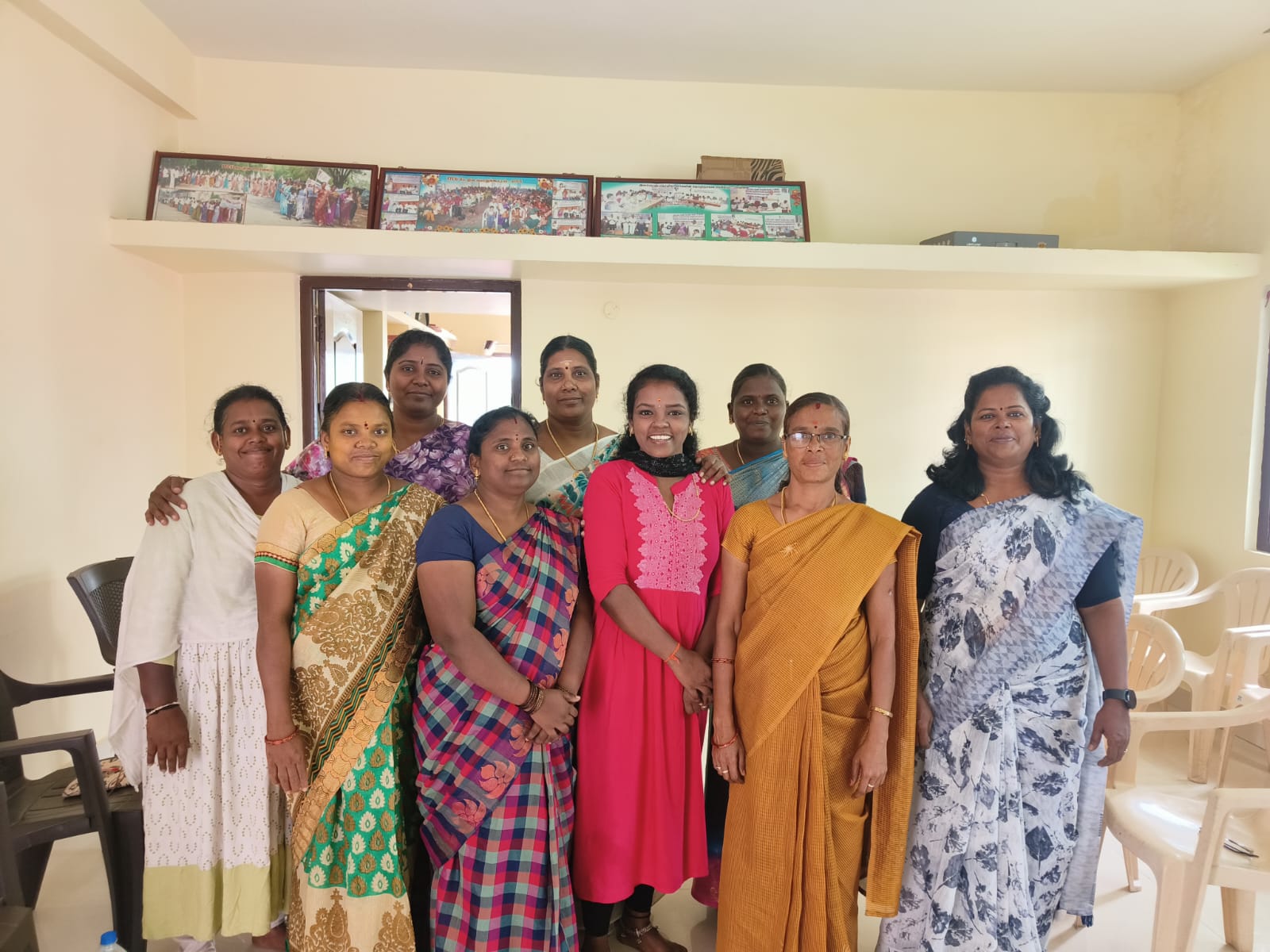
Burning Shifts
The invisible crisis of heat stress in Tamil Nadu’s garment factories Workers endure more than heat stress during heatwaves in Tamil Nadu’s garment factories The heat will continue to rise. What can unions do for garment workers?
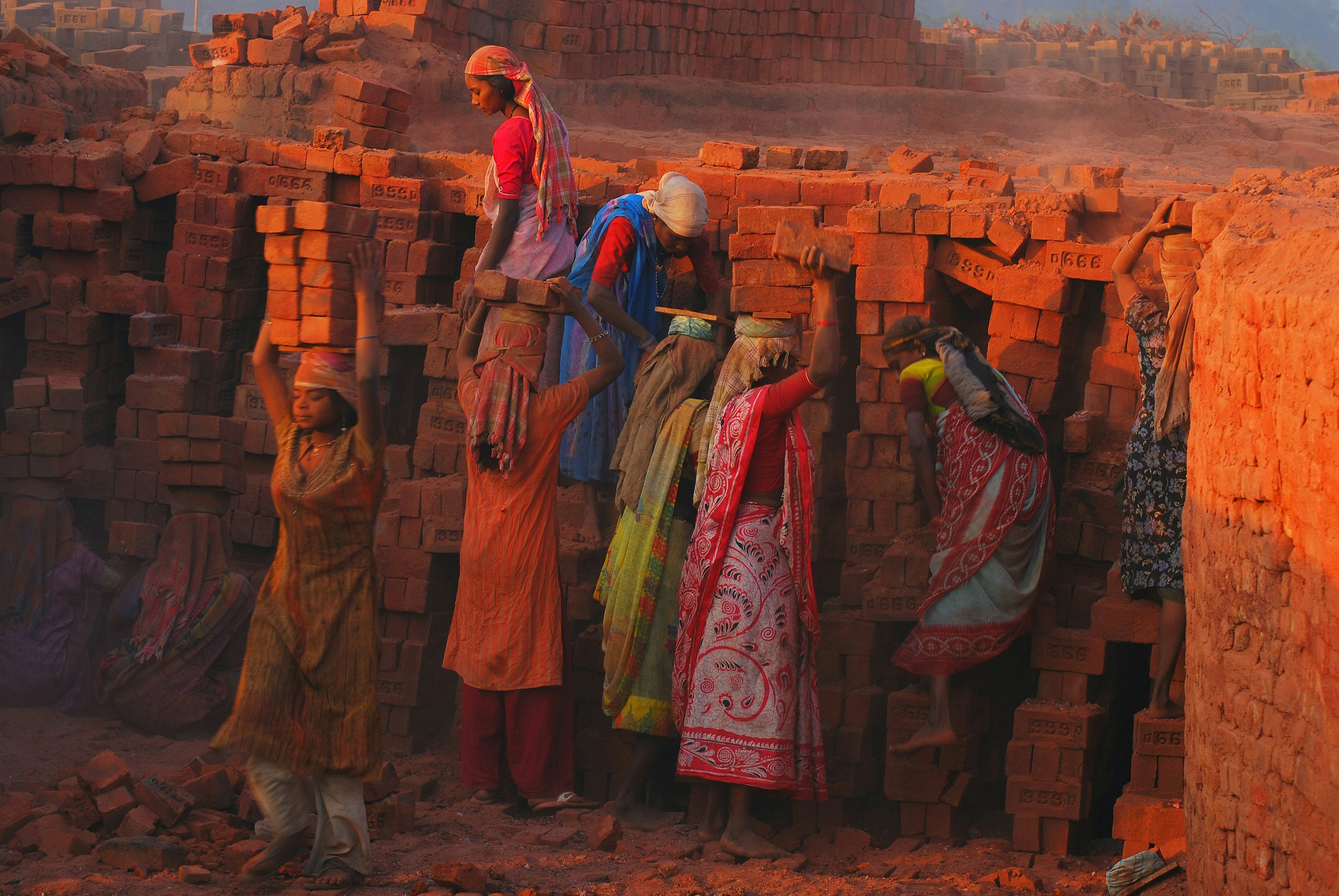
Fair Pay. Shade. Water: Construction Workers Demand Relief from Deadly Heat
The women's experiences reflect the harsh reality of India's informal construction labour markets, where workers must balance their urgent need for income against increasingly dangerous heat.
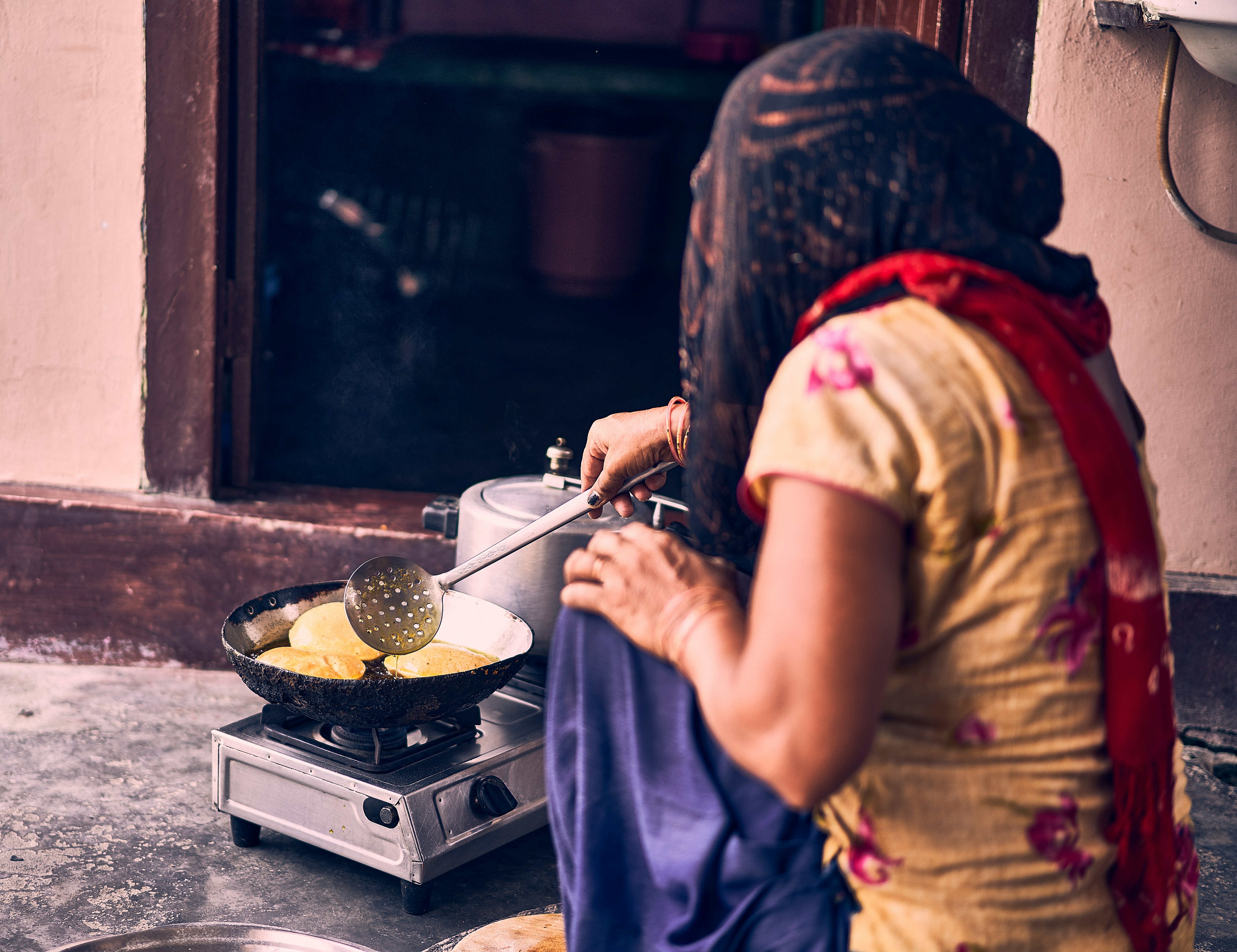
In the Growing Heat: A Day in the Life of a Domestic Worker
Working across seven houses, Matol’s experience highlights the stark inequalities in how India’s classes experience and cope with extreme heat.