
Blog & Updates
Fair Pay. Shade. Water: Construction Workers Demand Relief from Deadly Heat
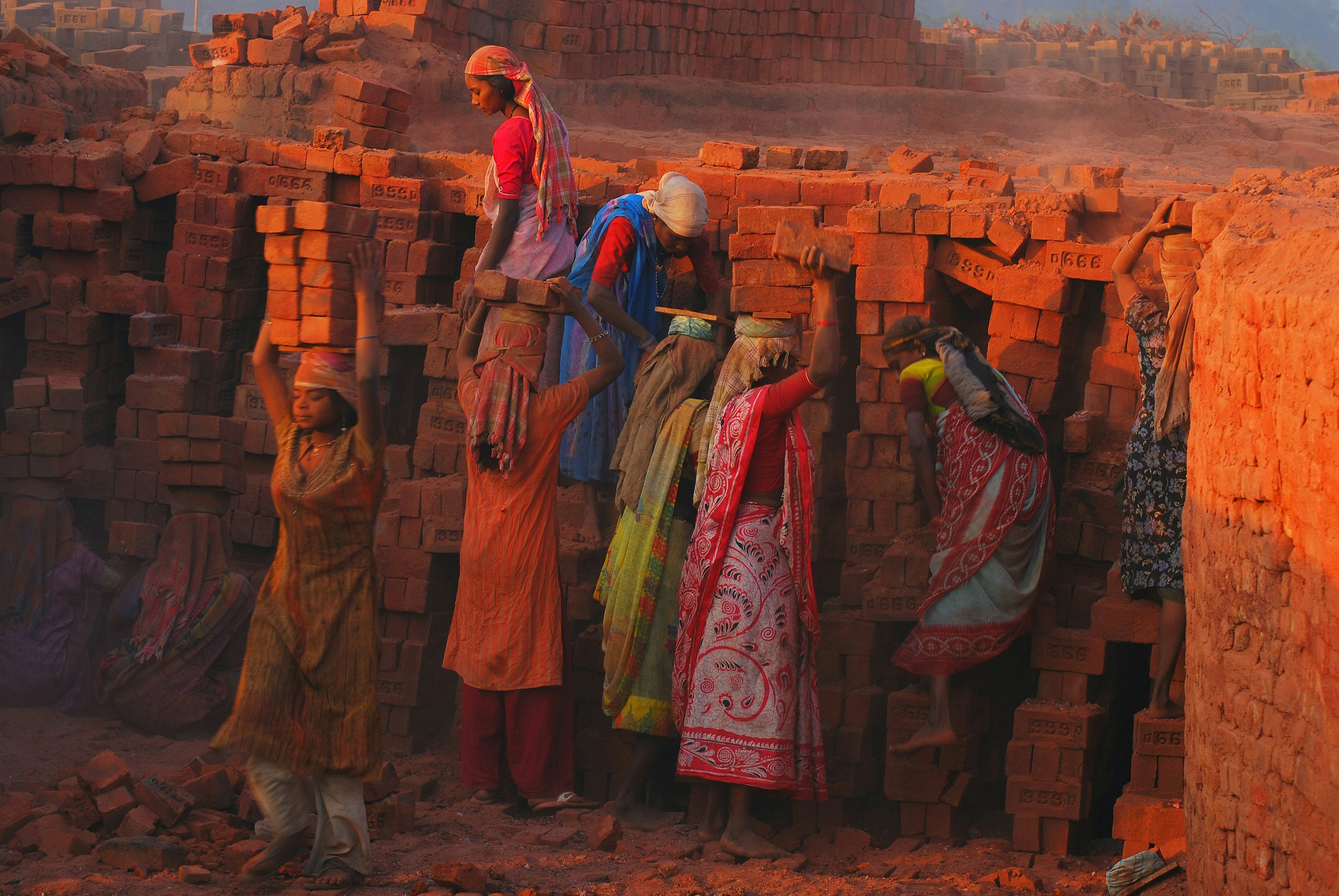
At 9:30 each morning, Sujata and Pramila arrive at the "naka" - an informal labor market where construction workers gather to seek daily work. It's a simple space: a patch beside the road near a bridge, with a tea stall. By 11:30, when contractors typically arrive with work opportunities, the sun has already turned hostile.
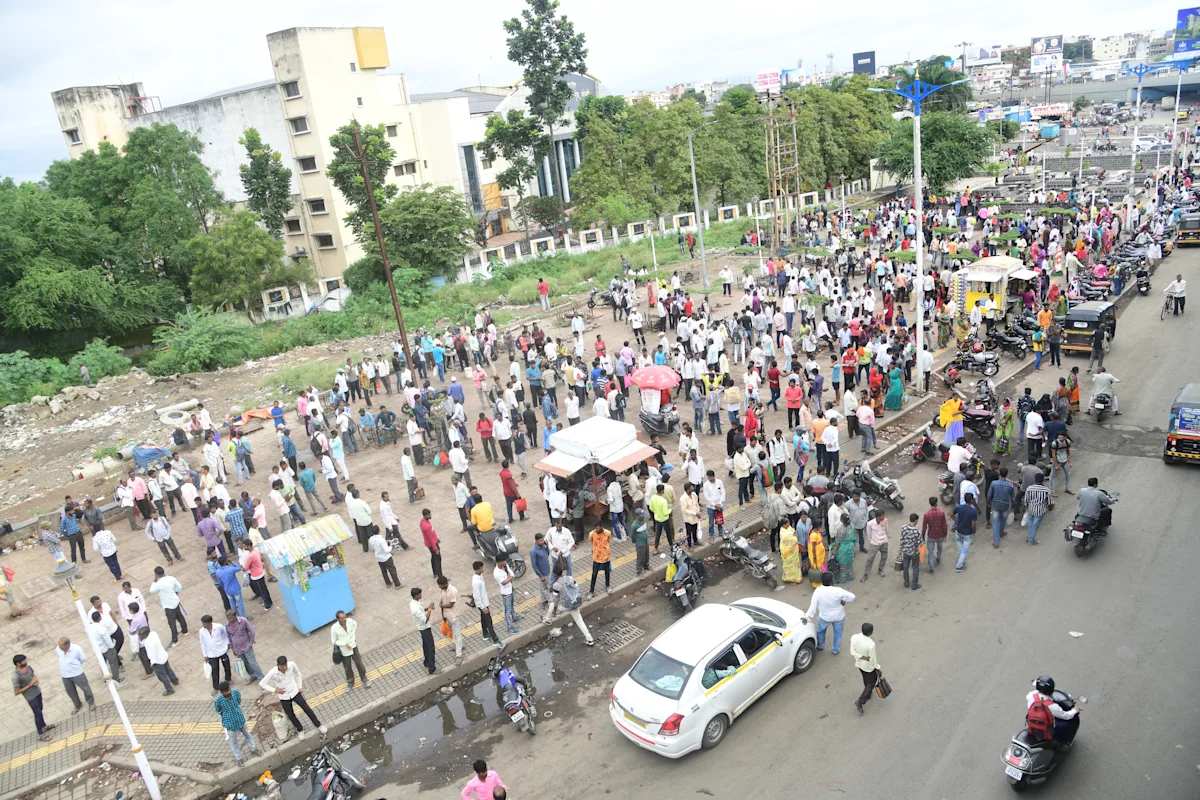
An aerial view of a labour naka, where daily-wage workers wait for job opportunities. Photo: Amol Londhe.
"I feel suffocated when I work," says Sujata, who along with Pramila has spent over 12 years as a construction labourer. "I feel like there should be cool air, like there should be shade." But shade is a luxury, available only from a few scattered trees near a tea stall under the bridge.
The women's experiences reflect the harsh reality of India's informal construction labour markets, where workers must balance their urgent need for income against increasingly dangerous heat. Both women are sole breadwinners - Pramila's husband is an alcoholic, while Sujata's offers no support. "We have no choice but to work," Sujata explains. "If we don't work, how will we pay the rent? We have to take care of our children's education, food."
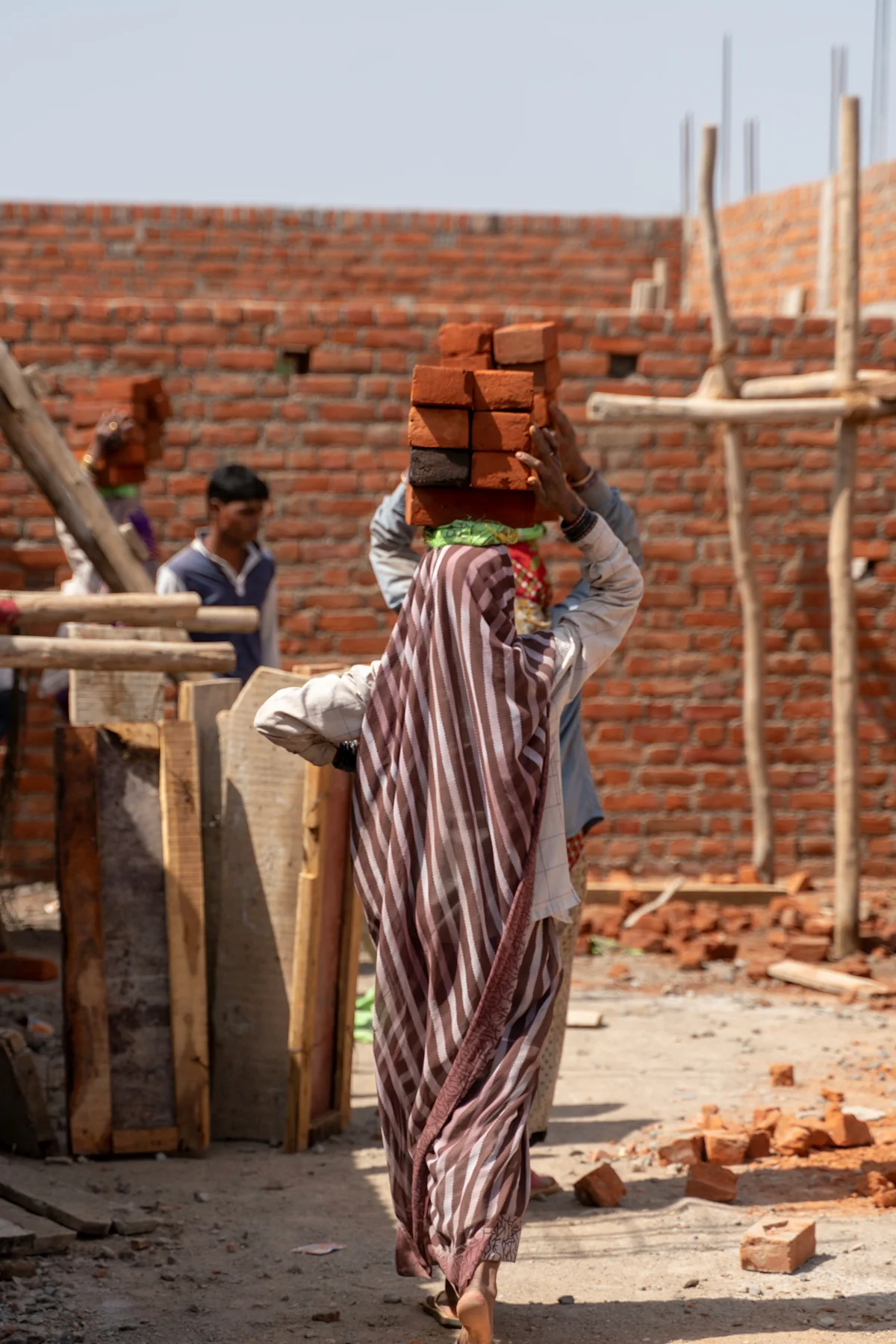
Photo by Tim Umphreys on Unsplash
The intensity of heat has increased markedly in recent years, they both note. Through their association with Work Fair and Free, an NGO working with informal sector workers and HeatWatch, they've learned about heat-related health risks, including the threat of heat stroke. Their daily struggle against the heat involves careful preparation and several strategies they've devised over the last year. They carry packaged water bottles from home, wrapped in cold, damp cloth. Throughout the day, they rely on home-made lemon water rather than purchasing drinks to stay hydrated. Pramila acknowledges the additional financial burden of planning for bottled water while managing their limited finances. But even these precautions can't fully protect them from the heat's impact on their bodies.
"My whole face turns red," says Sujata, describing how the heat affects her while working. Even with safety equipment like gloves, they experience skin irritation from the excess sweating, and hands turn red from the combination of sun exposure and manual labor. The economic implications of extreme heat create a vicious cycle. When the heat slows their pace, contractors respond with additional pressure rather than understanding. "When I am unable to work, they keep scolding me," Sujata shares. "So no matter how much trouble there is, you have to work." This pressure to maintain productivity despite physical distress reveals how economic precarity forces workers to push their bodies beyond safe limits.
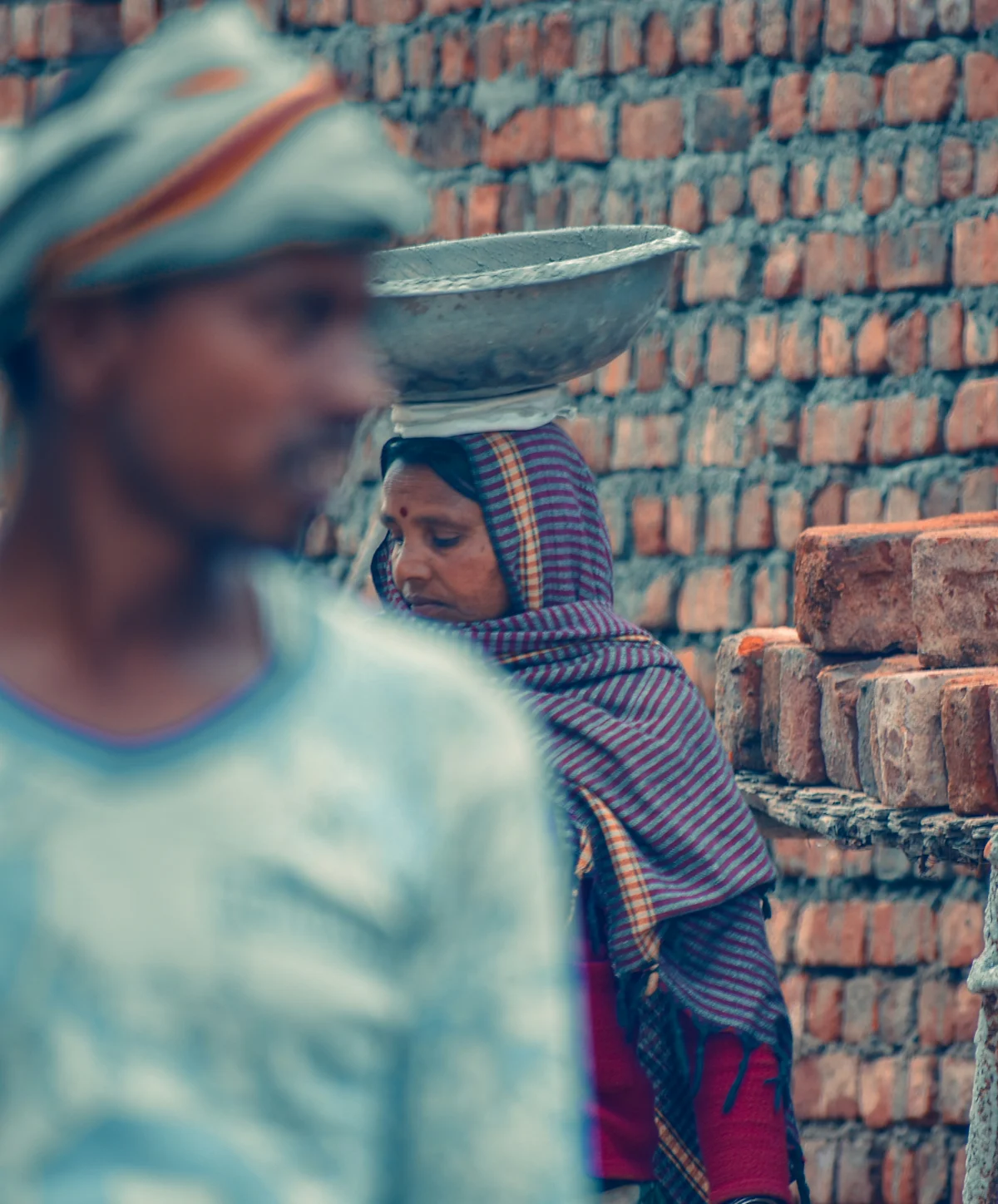
Photo by Alik Ghosh on Unsplash
Looking ahead, both naka workers articulate clear needs for adapting to increasing temperatures. "We should get cold water while working at the place where we are working," Sujata suggests. She thinks more shaded areas at the naka, including planting trees to provide natural cooling, might help. But their most emphatic request speaks to the economic dimension of heat stress: "They should increase our salary," they assert. Their connection with Work Fair and Free and HeatWatch has provided some relief through training and awareness programs. They've learned about preventive measures and how to recognize warning signs of heat-related illness. "Since we got to know about Aajeevika (Work Fair and Free) and HeatWatch, we have been getting all the information," Pramila says, highlighting the crucial role of unions and civil society organisations in building resilience among workers.
The duo's suggestions for solutions and responses are practical and immediate: better wages, more shaded areas at work sites, and access to cold drinking water.
Indeed, other worker experiences demonstrate that heat protection measures can be accessible and straightforward - often requiring little more than water, shade, and regular breaks from the builder. Meera, a worker on a different construction site in Pune, shares that basic heat protection measures have become standard practice. "They distribute glucose packets in the afternoon if it is very hot," she explains. Adequate cool drinking water is provided on every floor, and shaded areas are aplenty. Routine safety and health camps are conducted; any worker illnesses are promptly referred for treatment to a nearby medical college nearby. “The builder has the attitude of ‘if the worker is safe, then our work will be done soon,’” says Amol Londhe, a Work Fair and Free coordinator in Pune. The contrasting stories of these construction workers illustrates how climate change intensifies existing vulnerabilities among informal workers - and where systemic protections can start. As the heat intensifies each year, the need for practical worker protections at every level - physical, medical, financial, and social - is also ever more urgent.
*****************************************************************************************************
दररोज सकाळी ९:३० वाजता, सुजाता आणि प्रमिला "नाका" येथे येतात - एक अनौपचारिक कामगार बाजार जिथे बांधकाम कामगार दैनंदिन कामासाठी जमतात. ही एक साधी जागा आहे: पुलाच्या जवळ रस्त्याच्या कडेला एक तुकडा, चहाची टपरी. ११:३० पर्यंत, जेव्हा कंत्राटदार सहसा कामाच्या संधी घेऊन येतात, तेव्हा सूर्य आधीच प्रतिकूल झालेला असतो.
एका श्रम नाक्याचा हवाई दृश्य, जिथे रोजंदारीवर काम करणारे मजूर रोजगाराच्या संधीसाठी प्रतीक्षा करत आहेत. फोटो: अमोल लोंढे.
"मी काम करते तेव्हा मला गुदमरल्यासारखे वाटते," प्रमिलासोबत बारा वर्षांहून अधिक काळ बांधकाम कामगार म्हणून काम करणाऱ्या सुजाता म्हणतात. "मला वाटते की थंड हवा असावी, सावली असावी." पण सावली ही एक लक्झरी आहे, जी पुलाखालील चहाच्या टपरीजवळील काही विखुरलेल्या झाडांमधूनच मिळते.
महिलांचा अनुभव भारतातील अनौपचारिक बांधकाम कामगार बाजारपेठेतील कठोर वास्तवाचे प्रतिबिंबित करतो, जिथे कामगारांना वाढत्या धोकादायक उष्णतेविरुद्ध त्यांच्या उत्पन्नाच्या तातडीच्या गरजा पूर्ण कराव्या लागतात. दोन्ही महिला एकमेव कमावत्या आहेत - प्रमिलाचा पती मद्यपी आहे, तर सुजाता कोणताही आधार देत नाही. "आमच्याकडे काम करण्याशिवाय पर्याय नाही," सुजाता स्पष्ट करतात. "जर आम्ही काम केले नाही तर आम्ही भाडे कसे भरणार? आम्हाला आमच्या मुलांच्या शिक्षणाची, अन्नाची काळजी घ्यावी लागेल."
फोटो: टिम अम्फ्रीज ऑन Unsplash
अलिकडच्या वर्षांत उष्णतेची तीव्रता लक्षणीयरीत्या वाढली आहे, असे त्या दोघीही सांगतात. अनौपचारिक क्षेत्रातील कामगारांसोबत काम करणाऱ्या आजीविका आणि हीटवॉच यांच्याशी काम करून, त्यांना उष्णतेशी संबंधित आरोग्य धोक्यांबद्दल माहिती मिळाली आहे, ज्यामध्ये उष्माघाताचा धोका देखील समाविष्ट आहे.
उष्णतेविरुद्धच्या त्यांच्या दैनंदिन संघर्षात काळजीपूर्वक तयारी आणि गेल्या वर्षभरात त्यांनी आखलेल्या अनेक धोरणांचा समावेश आहे. त्या घरून पॅक केलेल्या पाण्याच्या बाटल्या थंड, ओल्या कापडात गुंडाळून घेऊन जातात. दिवसभर, ते हायड्रेटेड राहण्यासाठी खरेदी केलेल्या पेयांऐवजी घरी बनवलेल्या लिंबू पाण्यावर अवलंबून असतात. प्रमिला त्यांच्या मर्यादित आर्थिक परिस्थितीचे व्यवस्थापन करताना बाटलीबंद पाण्याचे नियोजन करण्याचा अतिरिक्त आर्थिक भार सहन करते हे मान्य करते. परंतु या खबरदारी देखील त्यांना उष्णतेच्या शरीरावर होणाऱ्या परिणामांपासून पूर्णपणे वाचवू शकत नाहीत.
"माझा संपूर्ण चेहरा लाल होतो," सुजाता काम करताना उष्णतेचा तिच्यावर कसा परिणाम होतो याचे वर्णन करताना म्हणते. हातमोजे सारख्या सुरक्षा उपकरणांसहही, त्यांना जास्त घामामुळे त्वचेची जळजळ होते आणि सूर्यप्रकाश आणि शारीरिक श्रमाच्या संयोजनामुळे हात लाल होतात. अति उष्णतेचे आर्थिक परिणाम एक दुष्टचक्र तयार करतात. जेव्हा उष्णतेमुळे त्यांची गती मंदावते तेव्हा कंत्राटदार समजून घेण्याऐवजी दबावाने प्रतिसाद देतात. "जेव्हा माझ्याकडून काम कमी होऊ लागते तेव्हा ते मला फटकारत राहतात," सुजाता सांगतात. "म्हणून कितीही त्रास झाला तरी तुम्हाला काम करावेच लागेल." शारीरिक त्रास असूनही उत्पादकता टिकवून ठेवण्याचा हा दबाव आर्थिक अनिश्चितता कामगारांना त्यांचे शरीर सुरक्षित मर्यादेपलीकडे ढकलण्यास कसे भाग पाडतो हे दर्शवितो.
फोटो: आलिक घोष ऑन Unsplash
पुढे पाहता, दोन्ही नाका कामगार वाढत्या तापमानाशी जुळवून घेण्याच्या स्पष्ट गरजा व्यक्त करतात. "आपण काम करत असलेल्या ठिकाणी काम करताना थंड पाणी मिळाले पाहिजे," सुजाता सुचवते. तिला वाटते की नाकावर अधिक सावली असलेले क्षेत्र, ज्यामध्ये नैसर्गिक थंडावा देण्यासाठी झाडे लावणे समाविष्ट आहे, मदत करू शकते. परंतु त्यांची सर्वात जोरदार विनंती उष्णतेच्या ताणाच्या आर्थिक परिमाणाशी बोलते: "आपण आपला पगार वाढवला पाहिजे," ते ठामपणे सांगतात.
"आजीविका आणि हीटवॉच शी असलेल्या त्यांच्या संबंधामुळे प्रशिक्षण आणि जागरूकता कार्यक्रमांद्वारे काही प्रमाणात दिलासा मिळाला आहे. त्यांनी प्रतिबंधात्मक उपायांबद्दल आणि उष्णतेशी संबंधित आजाराची चेतावणी देणारी चिन्हे कशी ओळखायची याबद्दल शिकले आहे. "आजीविका आणि हीटवॉचबद्दल आम्हाला माहिती झाल्यापासून, आम्हाला सर्व माहिती मिळत आहे," प्रमिला म्हणतात, कामगारांमध्ये लवचिकता निर्माण करण्यात आजीविका आणि हीटवॉच सारख्या संस्थांच्या महत्त्वाच्या भूमिकेवर प्रकाश टाकत आहेत.
उपाय आणि प्रतिसादांसाठी या दोघांच्या सूचना व्यावहारिक आणि तात्काळ आहेत:
चांगले वेतन, कामाच्या ठिकाणी अधिक सावली असलेले क्षेत्र आणि थंड पिण्याच्या पाण्याची उपलब्धता.
खरंच, इतर कामगारांच्या अनुभवांवरून असे दिसून येते की उष्णता संरक्षण उपाय सुलभ आणि सोपे असू शकतात - बहुतेकदा पाणी, सावली आणि बांधकाम व्यावसायिकाकडून नियमित विश्रांती यापेक्षा थोडे जास्त आवश्यक असते. पुण्यातील एका वेगळ्या बांधकाम साइटवर काम करणारी मीरा सांगते की मूलभूत उष्णता संरक्षण उपाय ही एक मानक पद्धत बनली आहे. "जर खूप उष्णता असेल तर आम्ही दुपारी ग्लुकोज पॅकेट वाटतो," ती स्पष्ट करते. प्रत्येक मजल्यावर पुरेसे थंड पिण्याचे पाणी दिले जाते आणि सावली असलेले क्षेत्र भरपूर असतात. नियमित सुरक्षा आणि आरोग्य शिबिरे आयोजित केली जातात; कामगारांना कोणताही आजार झाल्यास त्यांना तातडीने जवळच्या वैद्यकीय महाविद्यालयात उपचारासाठी पाठवले जाते. “बांधकाम व्यावसायिकांचा दृष्टिकोन असा असतो की ‘जर कामगार सुरक्षित असेल तर आमचे काम लवकरच पूर्ण होईल’,” असे पुण्यातील आजीविका समन्वयक अमोल म्हणतात.
या बांधकाम कामगारांच्या परस्परविरोधी कथांवरून हे स्पष्ट होते की हवामान बदलामुळे अनौपचारिक कामगारांमधील विद्यमान असुरक्षा कशा तीव्र होतात - आणि पद्धतशीर संरक्षण कुठून सुरू होऊ शकते. दरवर्षी उष्णता तीव्र होत असताना, शारीरिक, वैद्यकीय, आर्थिक आणि सामाजिक - प्रत्येक स्तरावर व्यावहारिक कामगार संरक्षणाची आवश्यकता देखील अधिकच निकडीची बनत आहे.
Related Content
Burning Shifts
The invisible crisis of heat stress in Tamil Nadu’s garment factories Workers endure more than heat stress during heatwaves in Tamil Nadu’s garment factories The heat will continue to rise. What can unions do for garment workers?
In the Growing Heat: A Day in the Life of a Domestic Worker
Working across seven houses, Matol’s experience highlights the stark inequalities in how India’s classes experience and cope with extreme heat.

Foreword: Working in an Overheating India
In the era of climate change, India is getting hotter and we are yet to acknowledge the unequal burden this extreme heat places on workers. The solutions to this lie in fixing our exploitative labour economy rather than band-aid solutions every heat season.