
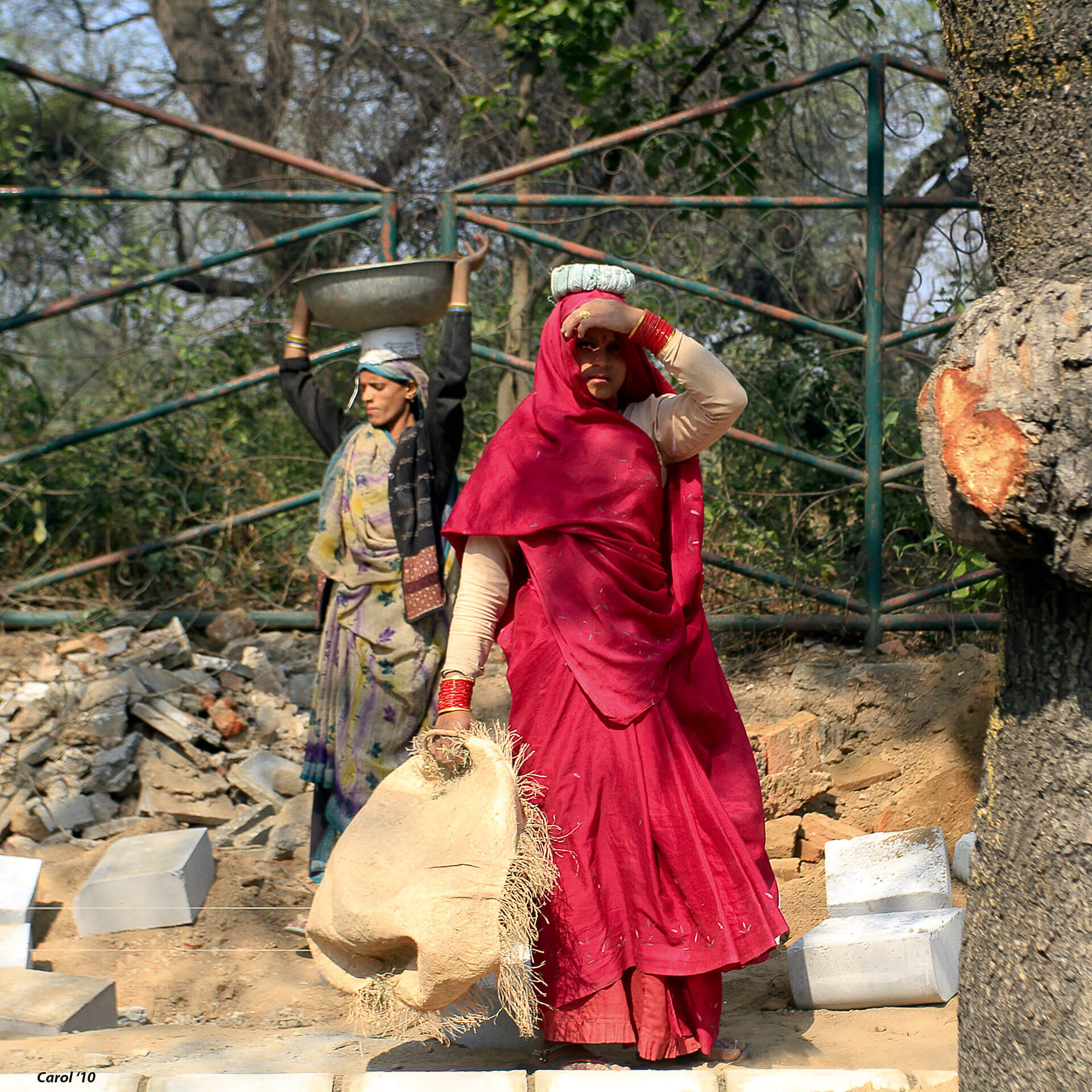
Climate change is causing a worldwide elevation in average temperatures, leading to a more frequent and intensified occurrence of heatwaves. The count of exceptionally hot days in India has shown a consistent upward trend, going from 413 during 1981-1990 to 575 in 2001-2010, and further rising to 600 during 2011-2020. ‘From 1960 to 2009, India has experienced 0.5 degrees rise in its mean temperature leading to 146% rise in the probability of heat related mortalities.
As per the World Health Organization, the health impacts of heat are intricately connected to the timing, intensity, and duration of temperature events, as well as the acclimatization and adaptability of local populations and their infrastructure. Precise hazardous temperature thresholds vary regionally and are influenced by factors like humidity, wind, local acclimatization, and preparedness. Excessive heat exposure affects people physiologically, often exacerbating preexisting conditions and leading to premature death and disability.
Effect on physical health
Among the key health consequences of heat, rapid increases in heat exposure can compromise the body's temperature regulation, resulting in a range of ailments such as heat cramps, heat exhaustion, heatstroke, and hyperthermia. Heat-related deaths and hospitalizations can occur suddenly on the same day or have a delayed effect several days later, disproportionately impacting vulnerable individuals, especially during the initial days of heatwaves. Even minor deviations from seasonal temperature averages are associated with increased illnesses and fatalities, and extreme temperatures can worsen chronic conditions like cardiovascular, respiratory, cerebrovascular diseases, and diabetes-related issues.
Effect on mental health
Research has additionally identified connections between increasing temperatures and various mental health issues, encompassing mental fatigue, heightened aggression, and even elevated suicide rates. The underlying reasons for this phenomenon and whether heat can directly induce brain changes contributing to these effects remain unknown. Nonetheless, experts assert that there is a clear association between sweltering heat and deteriorating mental health.
Case study: The problem of heat health in Hyderabad
In a study published in the Journal of Climate Change and Health, researchers employed semi-structured interviews with specialized physicians to gain insights into the effects of heat on human health within the Hyderabad region. The interviews revealed a disconcerting rise in Heat-Related Illnesses (HRIs) among patients. Doctors estimated that a substantial proportion, ranging from 25% to 50%, of individuals seeking medical care during the sweltering summer months were grappling with HRIs and their accompanying complications. These include a wide range of conditions such as heat cramps, headaches, excessive sweating, and severe complications like pulmonary edema, cerebral edema, disseminated intravascular coagulation, gastroenteritis, hair follicle infections, photosensitivity disorders, fungal infections, miliaria, hyperpigmentation disorders, dyselectrolytemia, hemoptysis, dehydration-induced cardiovascular and neurological problems, as well as sleep disorders.
Of particular concern is the observation that HRIs now affect a larger segment of the population for extended periods throughout the year. Vulnerable groups, including those with pre-existing medical conditions, infants, the elderly, pregnant women, outdoor laborers, individuals struggling with substance dependence, and those facing socioeconomic disadvantages, now face heightened risks due to rising ambient temperatures. Doctors also emphasize the compounding effects of these different vulnerability factors, where socioeconomic disparities, occupational factors, and health conditions can interact to magnify the impact of heat-related illnesses.
Furthermore, it's no longer a seasonal issue confined to peak summer months. Hyderabad now grapples with heat-related health challenges for a more extended duration. The traditional summer has transformed into a prolonged, unrelenting period of extreme heat, making it a year-round concern. Even during the monsoon months following summer, high temperatures continue to prevail in Hyderabad, adding new layers of complexity to the region's already strained public health system.
Who is more marginalised?
Elevated worldwide temperatures have an impact on all demographic groups, but certain populations face higher levels of exposure or possess greater physiological or socio-economic susceptibility to physical strain, aggravated illnesses, and an elevated likelihood of fatality resulting from excessive heat exposure. These at-risk groups encompass the elderly, infants, children, expectant mothers, outdoor laborers, individuals engaged in manual labor, athletes, and individuals living in poverty. Additionally, gender can be a significant factor in influencing heat exposure.
As per a 2020 study published in the Journal of Economic Studies, the impact of high temperatures during pregnancy on infant mortality is a topic of significant concern. The research, conducted in rural India, highlights a troubling association between exposure to extreme heat during pregnancy and a noteworthy increase in infant mortality rates. This temperature-induced stress during a crucial period result in a 2-per-1000 rise in infant deaths, underscoring the vulnerability of infants to climate-related health risks.
Elevated temperatures disproportionately affected the mental health of individuals with lower incomes, with women experiencing more significant effects than men, resulting in the finding that the impact of heat on mental health was twice as severe for low-income women as it was for high-income men.
These negative health consequences of heat are largely predictable and preventable through targeted public health measures.
The National Disaster Management Authority (NDMA) underscores the importance of developing comprehensive heat action plans, with a particular focus on enhancing hospital preparedness and implementing mitigation measures across healthcare facilities. Key components of this initiative include:
Establishing a Monitoring Mechanism at the state, district, and panchayat levels to ensure preparedness for heat-related health issues.
Strengthening Health and Social Care Systems to effectively respond to heat-related health challenges. Enhancing Heat Health Facilities equipped with essential supplies such as ORS and glucose.
Moreover, the NDMA places a strong emphasis on the implementation of a detailed action plan to proactively address heat-related illnesses well before the onset of the hotter months. This involves:
Operational Framework: The development of a specific health adaptation plan, guidelines, and a response plan to address climate-sensitive diseases (CSD).
Regular Updates: Recognizing the evolving nature of climate-related health risks, the NDMA underscores the need for regular updates to heat health action plans and the issuance of advisories to ensure hospital preparedness, robust surveillance, weekly monitoring, and capacity-building efforts.
Where these comprehensive measures, advocated by the NDMA, play a critical role in safeguarding public health during periods of extreme heat and climate change, the implementation of heat action plans still remains a challenge. HAPs lack clear legal foundations and fail to specify their authority sources, diminishing both bureaucratic adherence and accountability, particularly concerning overburdened implementation agencies juggling multiple long-term plans.
The adoption of an integrated public health system is crucial for effectively addressing the challenges posed by extreme heat. To combat the adverse effects of rising temperatures on public health, the recording and analysis of heat-related deaths must be seamlessly integrated into the healthcare infrastructure. Furthermore, the establishment of a robust social security net through government policies is equally essential. Policies that provide support and resources to individuals and communities impacted by extreme heat play a pivotal role in mitigating the health risks associated with heatwaves.
According to the Intergovernmental Panel on Climate Change (IPCC) 6th Assessment, climate change has had a profound and widespread impact on both physical health and mental well-being on a global scale. The IPCC reports that climate-related diseases, premature deaths, malnutrition, and threats to mental health are on the rise, and the overall effects are overwhelmingly negative.
Mental health impacts too are anticipated to result from exposure to extreme weather events, like displacement, migration, famine, malnutrition, deterioration or destruction of healthcare and social care systems, climate-induced economic and social losses, as well as anxiety and distress linked to concerns about climate change.
Related Content

As heat waves become severe, can cooling be a right?
Read the full reflections and insights from our team.
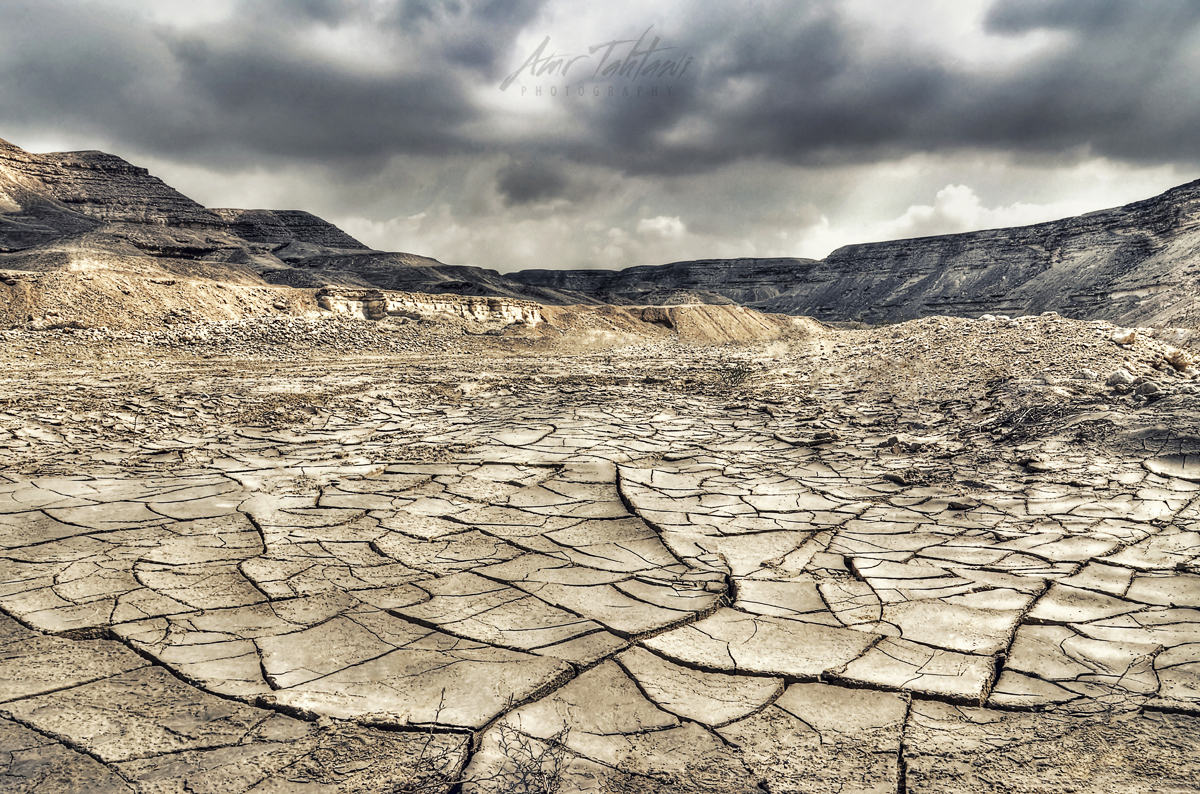
How does extreme heat distort ecosystems
Read the full reflections and insights from our team.
Breaking Point: Heat and the Garment Floor
This report by HeatWatch in collaboration with the Tata Institute of Social Sciences, Mumbai, is based on our research with 115 garment factory workers in Tamil Nadu and Delhi and interviews with factory management across 15 garment and textile units in Tiruppur in Tamil Nadu, Faridabad and Noida in Delhi-NCR, and Surat in Gujarat to establish a baseline of physical infrastructure, operational policies, and health and safety systems.