
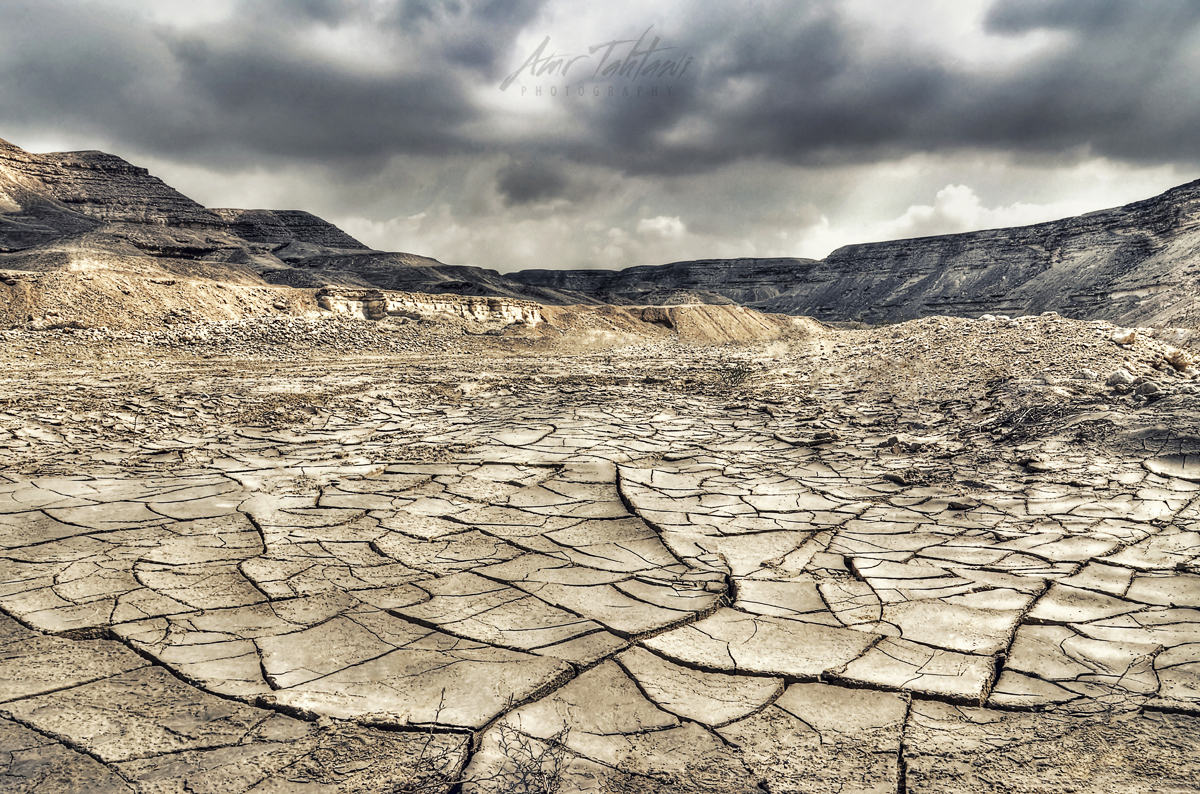
India routinely experiences hot summers but, in recent years, several parts of the country have seen abnormally high temperatures reaching up to 47°C. In 2022, the capital, New Delhi experienced temperatures beyond 40 degrees Celsius for more than seven consecutive days.
Extreme heat causes damage to crops, forces schools to close, and puts strain on energy supplies in several areas. However, extreme heat is here to stay. In April 2023, the Indian Meteorological Department released a report on heat and cold waves which discussed impacts and adaptation issues - warning that with unchecked global warming, the probability of compound extremes such as the simultaneous occurrence of droughts and heat waves is likely to increase.
Extreme heat also has impacts that are not immediately obvious, such as droughts. Droughts and heatwaves are often connected, as extended periods of elevated temperatures with little precipitation can lead to drought conditions. The Indian Institute of Science (IISc) found that the frequency of heat waves accompanied by drought has increased in magnitude and area over the past three decades in India.
The compounded effect of multiple hazards like droughts and heatwaves together disproportionately impacts ecosystems, and the interconnected conditions lead to catastrophic effects on populations and environments. Heat waves contribute to soil desiccation (removal of moisture from the soil) - the heat dries out soils, which further increases temperatures, intensifying the severity of droughts. Dry soil leads to increased stress for plants, particularly in arid regions. These deficits in soil moisture also lead to poor harvests, further threatening livelihoods and vulnerable communities. In concurrence, heatwaves and droughts also threaten food security across the world.
Agricultural Yield Affected by Heat
Rising temperatures are predicted to decrease South Asia's food and cash crop yields, putting pressure on the region's food security. The variation in weather is increasingly challenging for the agriculture sector. In 2022, a scorching heat wave in March reduced wheat yield in the north and central Indian states. India produced 106.84 million tonnes of wheat in the 2021-22 crop season — less than 109.59 million tonnes in 2021. As a result, the government procurement figures fell to a 15-year low, with farmers staying away from government procurement as they were getting high prices in private trade.
Scientists project that a 2.5 to 4.9°C increase in temperature across the country could lead to a decrease of 41%-52% in the wheat yield, and 32%-40% in rice. It is predicted that for every 1°C increase in temperature, the yields of soybean, mustard, groundnut, and potato are expected to decline by 3-7%. As agriculture employs a significant section of the population and is a vital source of sustenance for millions of people, extreme heat is not just affecting food security but also threatening livelihoods.
Forest Fires: An Increasing Phenomenon
Typically, heatwaves and droughts are associated with a greater occurrence of fire – which needs fuel and an ignition source. Hot and dry conditions during extended periods of high heat can lead to higher quantities of available dry biomass for burning, increasing the probability of fires.
Compounded by heatwaves, forest fires have increased in duration, area affected, and magnitude – in four years, the damage done by wildfires in the state of Uttarakhand has more than tripled. Severe heat, combined with low humidity and high winds, represents atmospheric stressors of forest fires, which pose major threats in dry vegetated areas. In March and April 2022, India and Pakistan, experienced one of the worst heat waves ever to hit the region, with a prolonged period of temperatures consistently 3ºC to 8ºC above average, breaking numerous records. There were about 300 major forest fires across India, a third of them in Uttarakhand. Moreover, Indian tropical dry deciduous forests are prone to fire, with a quarter of the country’s geographical area under forest cover. 22.27% of this forest cover of the country is extremely fire-prone, and becomes even more vulnerable during periods of prolonged heat.
The environmental impact of forest fires extends beyond their contribution to global warming. When forests burn, they release particulate matter into the air which leads to rainfall disturbances and cloudbursts. Cloudbursts are caused by an increase of particulate matter or aerosols in the air, which increases the size of raindrops. The likelihood of rainfall disruptions leading to cloudbursts increases with particulate matter levels, hence increasing the state's susceptibility to natural catastrophes. Studies have further confirmed that this particulate matter released during forest fires is one of the key reasons for glacier melting. As these particles move towards the glaciers they absorb more heat, creating a black cover, which causes glaciers to melt at a higher rate.
Melting Glaciers
Heatwaves can also dry up shallow aquatic ecosystems and accelerate glacier melt. Rapidly melting glaciers in the Himalayan region are threatening the lives and livelihoods of people living downstream. The glaciers thawed 65% faster in the 2011 to 2020 period compared with the preceding decade Glaciers are very sensitive to even slight temperature increases, and snowmelt, glacier melt, and permafrost thawing mean that disasters are projected to happen more frequently, and will be deadlier. As ice retreats, the land becomes unstable and can be washed away, resulting in destructive mass flows. Apart from the risks of flash floods and landslides, the cascading effects threaten to upend agriculture, food security, freshwater availability, and energy sources. It can also endanger some plant and animal species in the biodiversity hotspots to the point of extinction.
Heatwaves Negatively Impact Biodiversity
Hot weather also affects animals by discouraging them from foraging or hunting. Heat related droughts are causing a severe water shortage which impacts several animals such as tigers, leopards, civets, and foxes. Recently, three cheetah cubs born to a big cat that was brought to India from Africa last year died in central India’s Kuno National Park in the past week, forest officials said, as a heat wave in the region sent temperatures soaring, which is said to have weakened the cubs and dehydrated them. Elephants, too, need enormous amounts of fresh water, without which their daily lives, their breeding, and migration patterns can be negatively affected. Even inside the protected areas, animals face water shortages which require the filling of waterholes manually by forest rangers and officers.
Heatwaves affect animals across various terrains. The impact of heatwaves on birds has been on the rise in the northern part of the country in cities like Ahmedabad and Gurugram. In Gurgaon, hospitals reported an increase of 50 percent in the number of bird patients to the hospital tracing the illness to the heat. Wildlife SOS treated over 300 birds with heat-related illnesses in the summer of 2022. In Gujarat, dehydrated and exhausted birds were reported to have fallen from the sky inviting treatment from animal hospitals across the state – suffering from fever, dehydration, and heatstroke. In urban spaces, the lack of sheltered spaces compounded with the urban heat island effect, hits urban animals hard. Besides the risk of dehydration, it becomes almost impossible for animals to cool themselves down in urban centres.
The oceans are not spared either. Marine heat waves, where ocean temperatures rise to extreme levels and remain steady for at least five days, are becoming more frequent due to human-induced climate change. These waves impact marine biodiversity, increasing the likelihood of species displacement and mortality. The intensity and duration of these waves have widespread effects on marine life, as seen in the devastating "The Blob" heat wave in the northern Pacific Ocean between 2015 and 2016. The marine heatwave devastated ecosystems all across the western coast of North America, upending food chains and causing chaos – as ocean temperatures warmed by more than 2.5°C.
Heatwaves have multiple cascading social, ecological, and economic implications in the immediate and long term, exacerbating vulnerability in our ecosystems and distorting the ecological balance.
Related Content
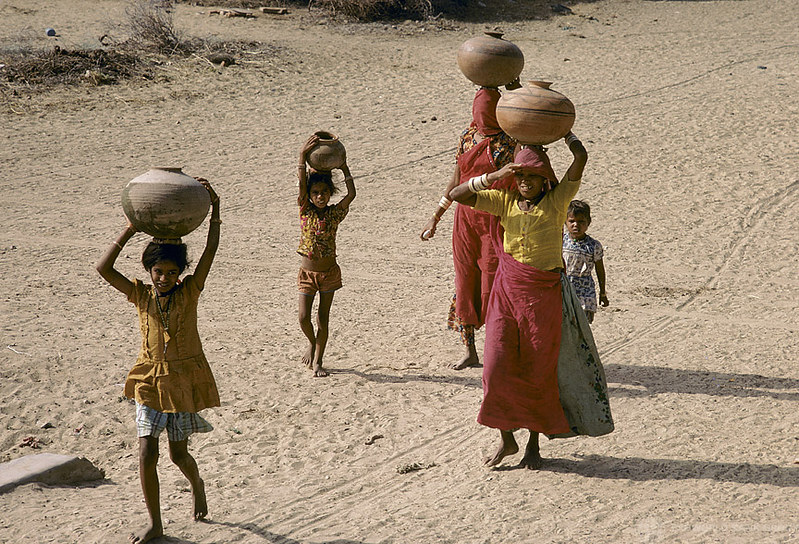
Killer Indian heat waves are set to get worse - Here’s why you should care
Read the full reflections and insights from our team.

Why are cities caught in the middle of a heat crisis
Read the full reflections and insights from our team.

Breaking Point: Heat and the Garment Floor
This report by HeatWatch in collaboration with the Tata Institute of Social Sciences, Mumbai, is based on our research with 115 garment factory workers in Tamil Nadu and Delhi and interviews with factory management across 15 garment and textile units in Tiruppur in Tamil Nadu, Faridabad and Noida in Delhi-NCR, and Surat in Gujarat to establish a baseline of physical infrastructure, operational policies, and health and safety systems.