
Blog & Updates
Killer Indian heat waves are set to get worse - Here’s why you should care
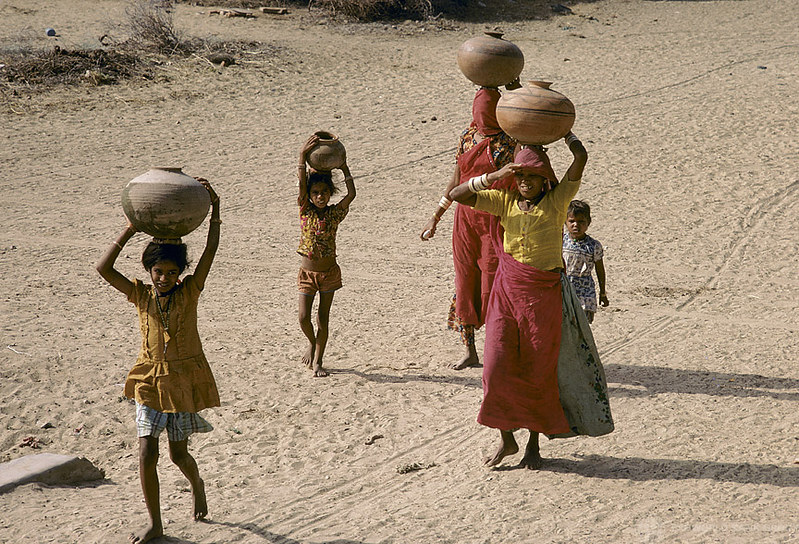
India is no stranger to hot summers but over the years, there has been an increase in periods of excessively high temperatures. When temperatures depart from normal and stay over 40°C in the plains and 30°C or higher in hilly regions, the India Meteorological Department (IMD) classifies the weather condition as a heat wave. Moreover, if the departure from the normal temperature is more than 4.5°C, or if the actual maximum temperature is more than 45°C, then a heatwave is declared. This range varies for plains, hilly regions, and coastal regions. Different areas in the country experience varied durations of heatwaves. The duration of heatwaves in India has extended by approximately 2.5 days between 1961 and 2021, primarily due to the effects of global warming. On average the maximum duration of heatwaves is two to four days. Heatwave models suggest a significant increase in the duration of heatwaves - 12 to 18 days by 2060.. Heat Waves have increased both in the number of occurrences across the country as well as duration of each heatwave. This shows that heat waves are becoming increasingly frequent and severe, pushing the nation to the precipice of a formidable heat crisis.
Regions across India vulnerable to heat stress
A noticeable increase in the number of heat events has been observed in northwestern, western, and central India. The most significant rise occurred in West Madhya Pradesh, with an increase of 0.80 heat events per year. This was closely followed by East Rajasthan, showing a rise of 0.75 events per year, and West Rajasthan with an increase of 0.79 events per year. Similarly, an uptick in heat events has been noted in Eastern Madhya Pradesh, Vidarbha, Gujarat, Saurashtra, and the Kutch region, along with certain areas in Eastern Uttar Pradesh.
Feeling the heat in megacities
Urban areas experience more heat than their rural counterparts. Urban areas, where built structures are concentrated and greenery is limited, become ‘islands’ of higher temperatures in comparison to outlying areas. Megacities are experiencing a notable upswing in the occurrence of scorching summer days: Mumbai saw an increase of +2.16 days per decade, Delhi witnessed +6.3 days per decade, Chennai had +7.96 days per decade, Jaipur experienced +7.73 days per decade, and Visakhapatnam recorded a staggering rise of +18.14 days per decade.
Heat & the human body
Most Indians have experienced some form of heat even if they are not directly impacted by the wrath of heat. Research around heat stress shows that heat poses a severe risk to the human body, and can cause exhaustion, heatstroke, dehydration, and even death. It puts strain on the cardiovascular and respiratory systems, and vulnerable groups, such as the elderly, children, and those with pre-existing health conditions, are particularly at risk. Heatwaves claimed approximately 6,187 lives in India from 2011 to 2018, yet due to underreporting and symptom ambiguity, accurate heatwave fatality data remains limited.
Heat Inequality
Heat does not impact everyone equally. Urban poor communities, especially labourers, street vendors, farmers, and construction workers toil in the scorching sun, often without adequate shade or access to safe drinking water. According to a study by the International Labour Organisation, agriculture and construction labourers will be worse affected, accounting for 60 per cent and 19 per cent of working hours lost to heat stress in 2030. Workers subjected to high temperatures experience direct negative impacts that hinder their productivity and, in turn, lead to a reduction in economic activity. Up to 75% of India’s workforce (380 million people) depend on heat-exposed labour. India showed the largest heat exposure impacts on heavy labour among South Asian countries, with almost 101 billion lost hours.
Extreme heat disproportionately affects women, too. Women are economically disadvantaged due to factors such as lower income and reduced participation in the workforce. Consequently, they are more at risk of suffering economic setbacks when increasing temperatures make it physically demanding, if not impossible, to work. This leads to an increase in the financial burden of women by 260 per cent when unpaid domestic labour is considered, compared to 76 per cent for men.
What’s next?
The National Disaster Management Authority (NDMA) recommends the development of early warning systems for heat waves and the establishment of cooling centres in vulnerable regions to provide refuge during extreme heat events. In addition, many Indian cities have formulated Heat Action plans to address the adverse impacts of heat waves. However, these often neglect to incorporate funding mechanisms or administrative roadblocks in their strategies.
More importantly, despite the urgency and scale of the problem, India does not officially categorise heatwaves as a disaster within its disaster management legislation, which consequently excludes them from access to the government's disaster response fund. This also leads to a situation where budget allocation becomes crucial, serving a dual purpose of not only providing immediate relief but also contributing to the development of critical aspects of this resilience-building effort like the establishment of early warning infrastructure.
Addressing the growing threat of extreme heat events in India is a matter of utmost urgency. Implementing solutions that mitigate its impact on the population is crucial. Investments in climate-resilient infrastructure, increased access to healthcare facilities, and public awareness campaigns are essential steps. Additionally, promoting green urban spaces can help combat the urban heat island effect and reduce overall temperatures in cities.
Related Content
How does extreme heat distort ecosystems
Read the full reflections and insights from our team.
Can heat action plans prepare India for intense heatwaves?
Read the full reflections and insights from our team.
As heat waves become severe, can cooling be a right?
Read the full reflections and insights from our team.