
Blog & Updates
A Worker-Centred Toolkit for Researching, Training and Organising on Heat Stress
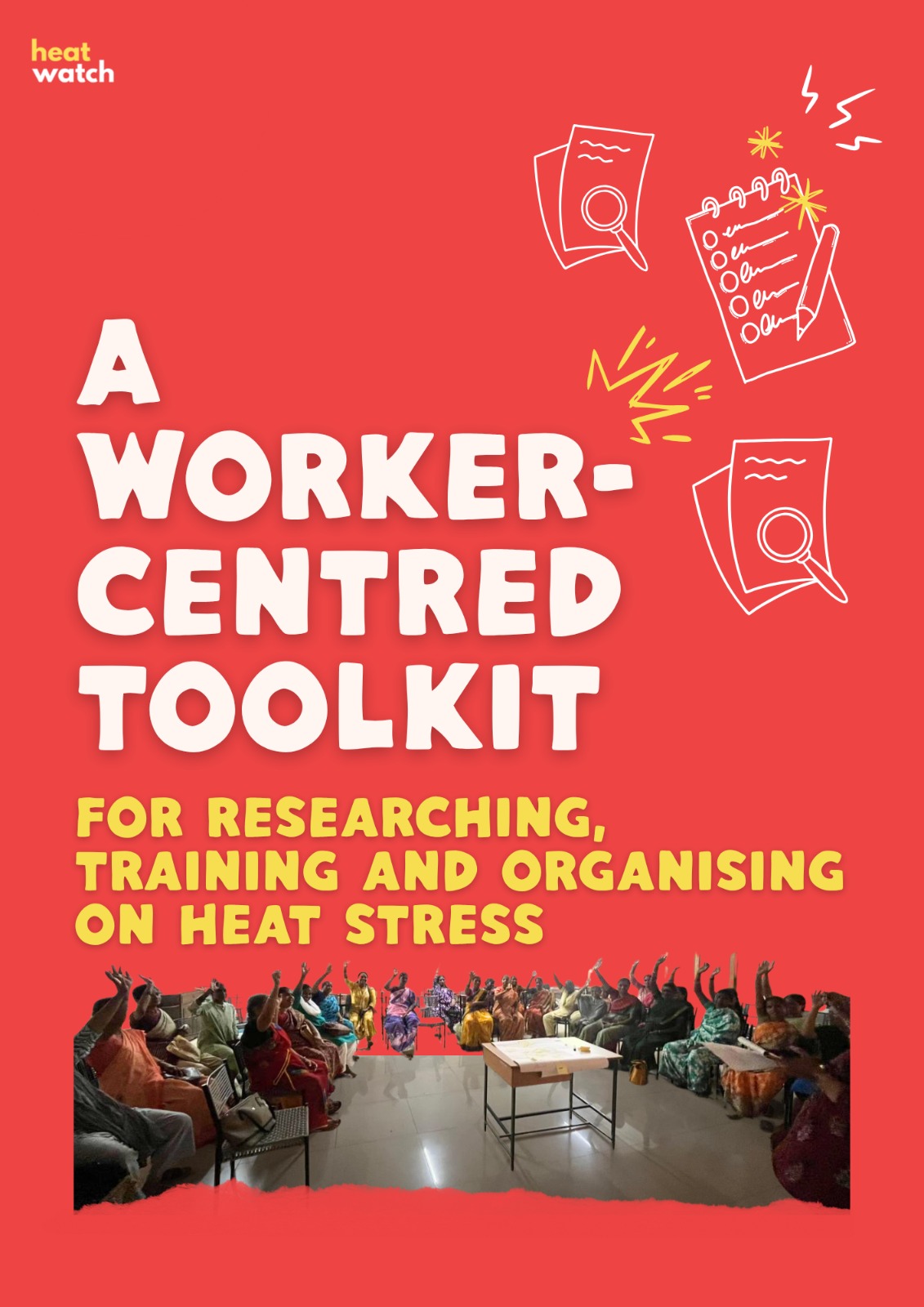
Over the past year, HeatWatch worked alongside domestic workers in Bengaluru to better understand how extreme heat affects health, livelihoods, and everyday life. Through research, worker trainings, stakeholder engagement, and community outreach, the project generated important insights not only about heat stress, but also about the processes and partnerships that make worker-centred climate action possible.
A Worker-Centred Toolkit for Researching, Training and Organising on Heat Stress brings together these experiences into a practical resource for organisations, researchers, unions, community groups, and practitioners working at the intersection of heat, labour, public health, and climate resilience.
While the toolkit is rooted in our work with domestic workers in Bengaluru, it was developed with a broader audience in mind. Many of the approaches, tools, and exercises included here can be adapted by organisations working with different worker groups and communities. Whether conducting research, designing worker trainings, building partnerships, or developing campaigns, we hope the toolkit serves as a practical resource that others can draw from and adapt to their own contexts.
The toolkit covers a range of topics, including project design, stakeholder mapping, partnership building, worker-centred research methods, training approaches, storytelling, public engagement, and advocacy. Alongside practical tools and templates, it also reflects on lessons that emerged throughout the project and considerations for organisations undertaking similar work.
We hope this resource supports others working to better understand and address the impacts of extreme heat on workers and communities, and contributes to a growing body of practice around worker-centred approaches to climate adaptation.
Credits
This toolkit was developed as part of HeatWatch Foundation's project on heat stress among domestic workers in Bengaluru, implemented in partnership with the Domestic Workers Rights Union (DWRU) and Mitr Sanketa, with support from the Bengaluru Sustainability Foundation (BSF). It also draws inspiration from Oxfam's Influencing for Impact toolkit, particularly its approaches to power, gender, and policy.
Read the full toolkit here.
Related Content
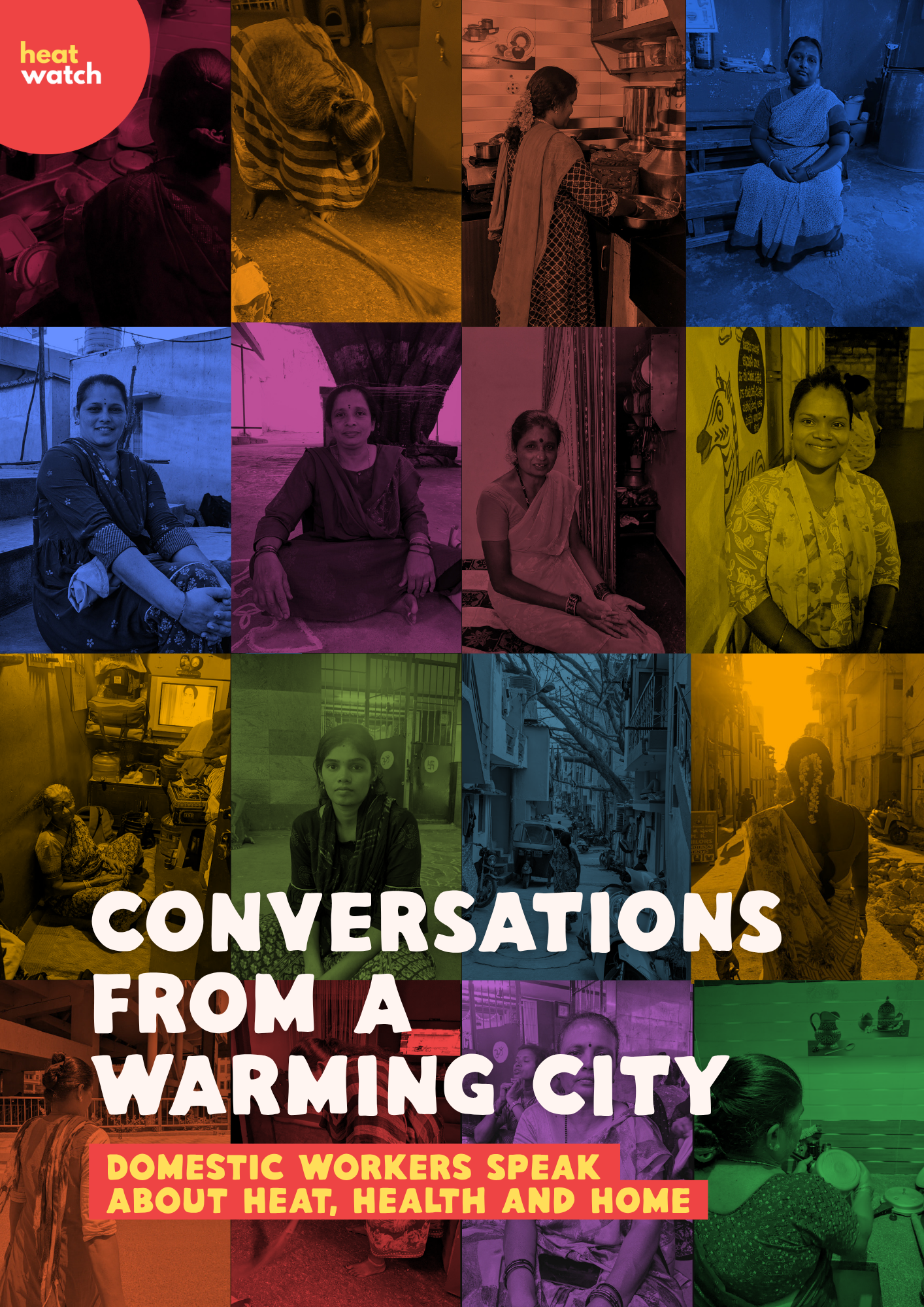
Conversations from a Warming City: Domestic Workers Speak About Heat, Health and Home
A new book from HeatWatch, built from conversations with 40 domestic workers across Bengaluru, on how rising heat is reshaping their work, health and life.
Heat Safety Charter for Workers in Apartments
Heat Safety Charter developed by HeatWatch and the Bangalore Apartment Federation (BAF), outlining simple and practical measures to support workers in apartment complexes during summer.
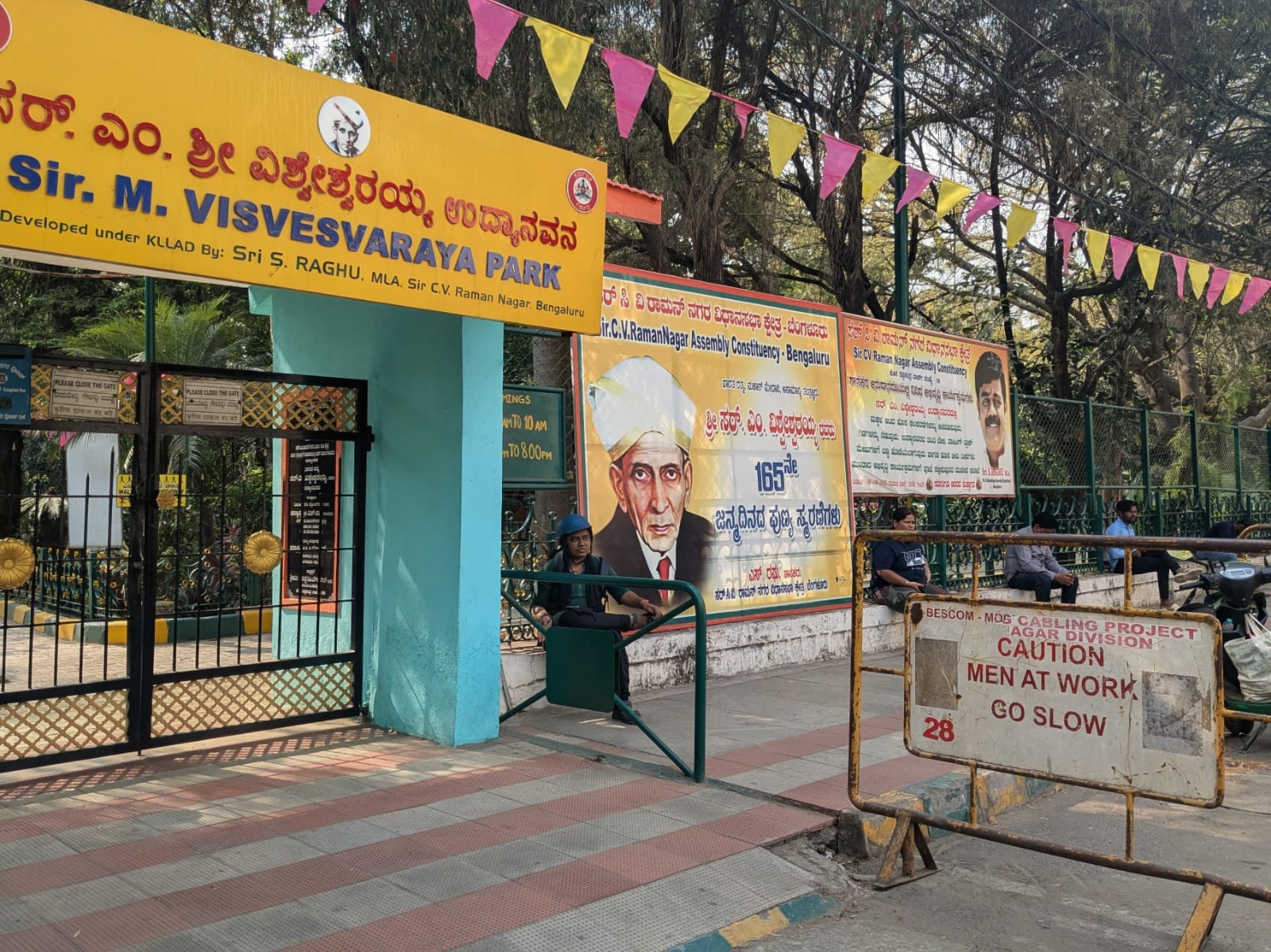
#OpenOurParks: Keeping Bengaluru's Parks Open When It Matters Most
As Bengaluru faces rising temperatures and extreme heat, access to shaded public spaces is becoming increasingly important. Through the #OpenOurParks campaign, HeatWatch Foundation and citizen volunteers documented park closures during peak afternoon hours and advocated for parks to remain open as accessible cooling and resting spaces for all, especially outdoor workers and heat-vulnerable communities.