
Blog & Updates
Conversations from a Warming City: Domestic Workers Speak About Heat, Health and Home
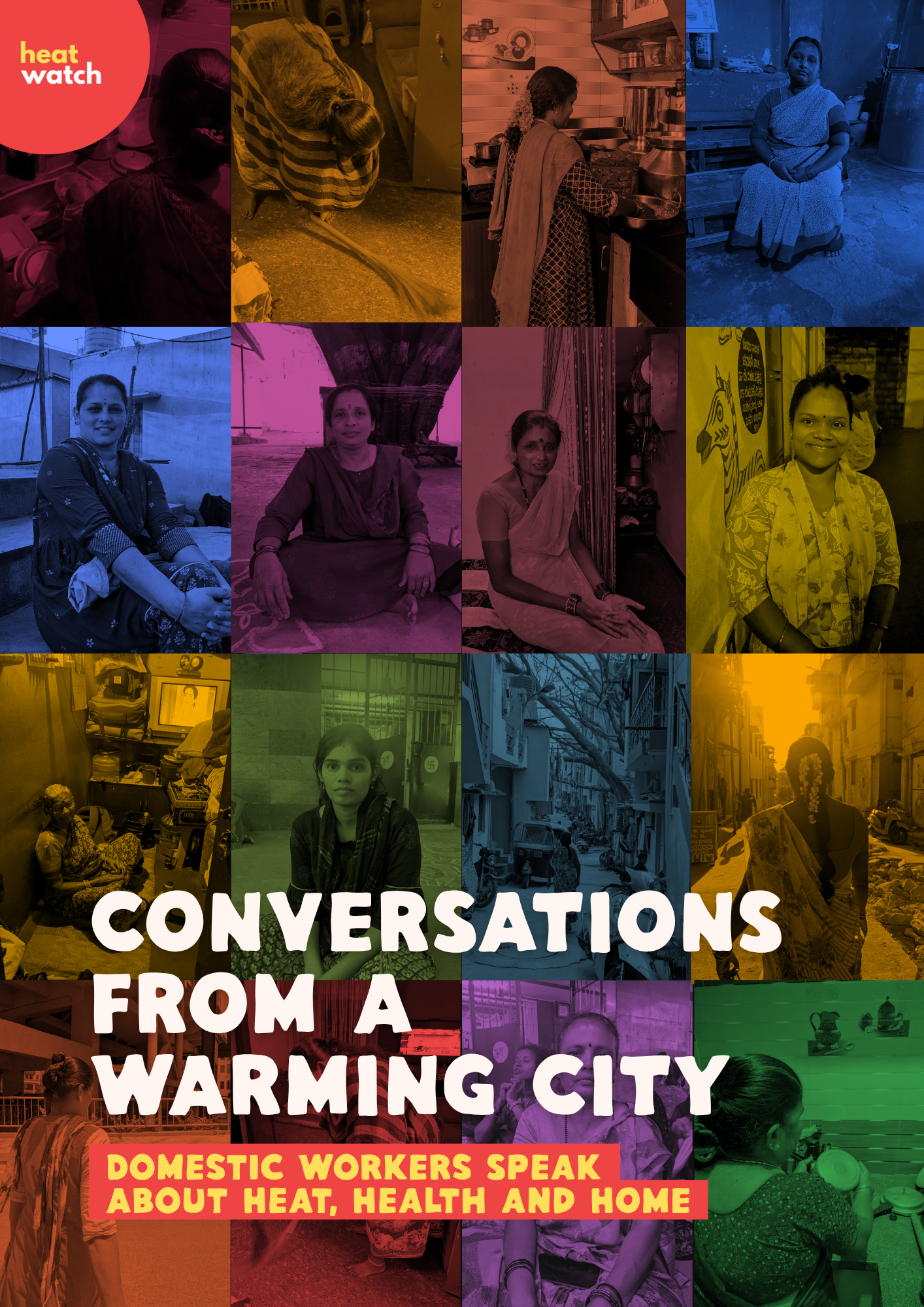
Last year, HeatWatch began a project to better understand how rising temperatures are affecting domestic workers in Bengaluru. We set out to explore questions around heat stress, health, and working conditions, hoping to understand how workers were experiencing increasingly hot summers. What emerged from these conversations, however, was a much broader story. While heat was often the starting point, workers spoke about far more than temperature. They spoke about commuting across the city, managing health conditions, supporting families, navigating rising expenses, and adapting to changes that had gradually become part of everyday life.
Over the course of the project, we spoke with 40 domestic workers across Bengaluru. Their experiences highlighted the many ways in which heat shapes daily routines, often in ways that are not immediately visible. Workers described long journeys between homes, waiting for public transport without shade, working in poorly ventilated spaces, and returning home exhausted after a full day of work. Across the workers we spoke with, 36 reported experiencing at least one heat-related health symptom during summer. Another 30 described higher household expenses during hotter months, while 20 said they deliberately reduced their water intake during the day because of concerns around accessing toilets while at work.
As we listened, it became clear that heat was rarely experienced as a standalone issue. Workers spoke about how changing weather patterns affected their ability to travel, work, rest, and care for their families. They reflected on how their bodies had changed over years of working through Bengaluru's summers, the adjustments they had made to their routines, and the difficult choices they sometimes faced between health and income. These conversations offered a deeper understanding of how heat intersects with work, mobility, dignity, and care.
Conversations from a Warming City grew out of these discussions. Rather than presenting domestic workers' experiences through findings and analysis alone, the book creates space for their voices, memories, and reflections. The stories move through homes, buses, neighbourhoods, workplaces, and family lives, offering a glimpse into the realities of living and working in a city that is becoming increasingly difficult to navigate during the hottest months of the year. Together, they paint a picture not only of heat, but also of the relationships, responsibilities, aspirations, and forms of resilience that shape everyday life.
At HeatWatch, we often talk about making heat visible. Sometimes that means collecting data, conducting audits, or documenting evidence. Equally important, however, is listening to the people who experience its impacts every day. This collection is part of that effort. As Bengaluru continues to warm, we hope these stories encourage readers to look beyond temperature records and forecasts and engage more deeply with the lived realities of domestic workers whose labour sustains the city every day.
Credits
This book emerged from HeatWatch Foundation's work on heat stress among domestic workers in Bengaluru. We are deeply grateful to the domestic workers who shared their experiences, stories, and time with us.
We thank the Domestic Workers Rights Union (DWRU), particularly Geeta Menon, Radha, and Yashodha, for their partnership, guidance, and support throughout this project. We also thank the Bengaluru Sustainability Foundation (BSF) for supporting this work.
The conversations continue in the pages of Conversations from a Warming City. Read the full book here.
Related Content
Heat Safety Charter for Workers in Apartments
Heat Safety Charter developed by HeatWatch and the Bangalore Apartment Federation (BAF), outlining simple and practical measures to support workers in apartment complexes during summer.
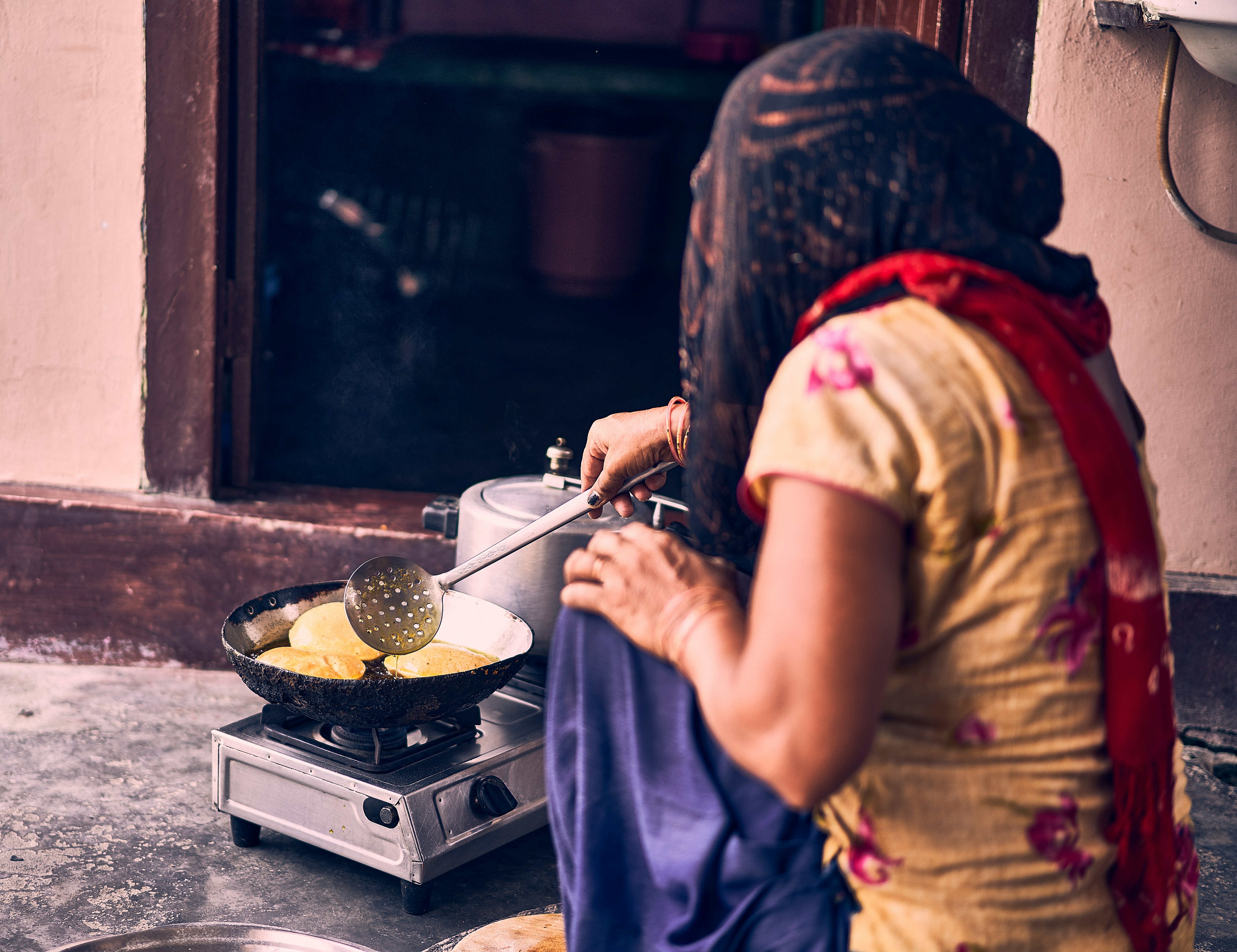
In the Growing Heat: A Day in the Life of a Domestic Worker
Working across seven houses, Matol’s experience highlights the stark inequalities in how India’s classes experience and cope with extreme heat.
Breaking Point: Heat and the Garment Floor
This report by HeatWatch in collaboration with the Tata Institute of Social Sciences, Mumbai, is based on our research with 115 garment factory workers in Tamil Nadu and Delhi and interviews with factory management across 15 garment and textile units in Tiruppur in Tamil Nadu, Faridabad and Noida in Delhi-NCR, and Surat in Gujarat to establish a baseline of physical infrastructure, operational policies, and health and safety systems.