
Inside a shed with a metal roof, rows of sewing machines are packed tight. The metal sheets trap hot, stifling air inside. High-mounted fans whir, their faint effort swallowed by the suffocating heat. By 11AM, sweat pours from workers' faces. The machines generate their own heat. Workers feel dizzy with exhaustion. This is a typical garment factory in Tamil Nadu. “It becomes like an oven," says Thivya Rakini, State President of the Tamil Nadu Textile and Common Labour Union (TTCU), an organisation primarily led by Dalit women, the TTCU advocates for over 12,000 women workers in Tamil Nadu's textile and agricultural sectors.
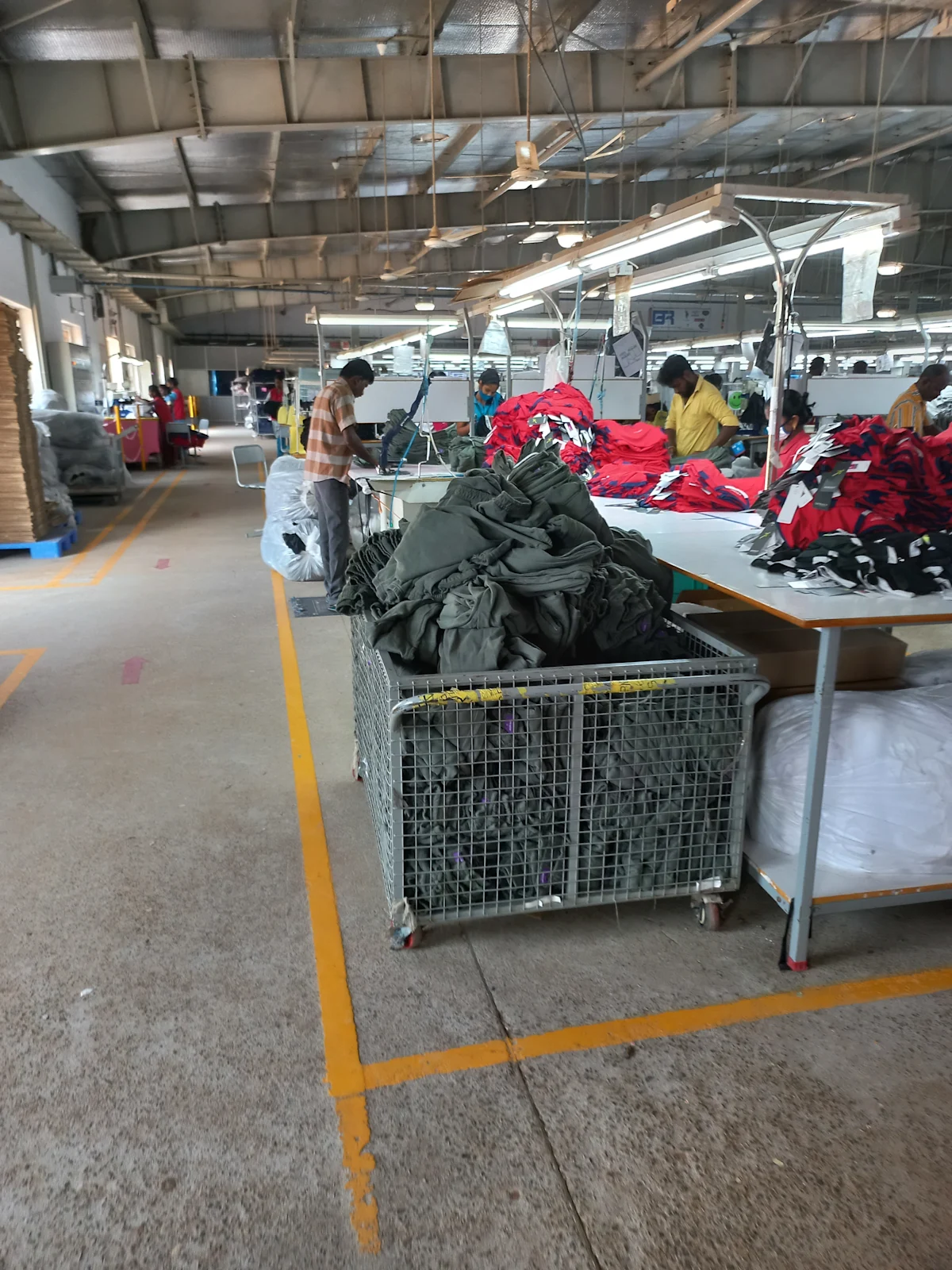
A look inside a textile unit where heat stress is a daily challenge. Photo: Nandita Shivakumar
Prolonged exposure to high temperatures can lead to dehydration, heat exhaustion, and other severe health issues, undermining workers' rights and dignity. Moreover, heat stress adversely affects productivity, with a 2023 ILO study indicating that at temperatures of 33-34°C, a worker's capacity can diminish by 50%. This decline not only impacts individual earnings but also threatens the industry's overall efficiency and output. Tamil Nadu is a pivotal hub in India's textile and garment industry and contributes significantly to both domestic production and exports. But in the state's garment factories, women workers battle extreme heat that threatens their health, rights, dignity, and wellbeing.
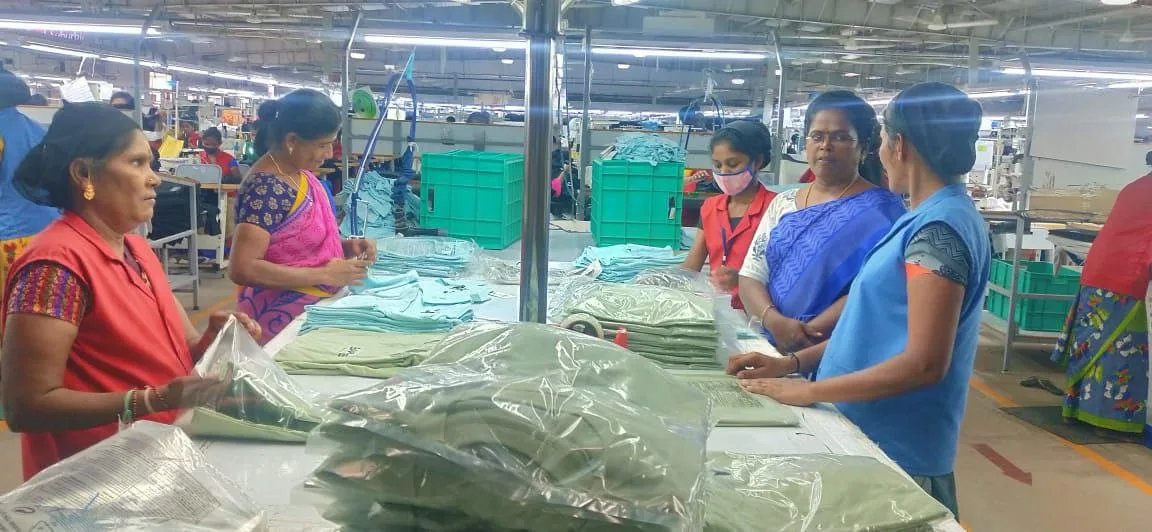
Textile workers engaged in work despite challenging indoor temperatures. Photo: Nandita Shivakumar
"Late February to mid-May was absolute torture in our factories in 2024," Thivya says.
The typical workday is a test of human endurance. "The normal shift is supposed to be 8 hours, but in reality, workers often work much longer," explains Jeeva, TTCU's General Secretary. "Most workers start at 8:30 in the morning and work until 6:30 or 7:00 in the evening. During peak production seasons, we might work until 8:00 pm or even later."
Perhaps the most insidious aspect of these working conditions is the restriction on basic human needs - water and bathroom access. Gomathi, another union leader, reveals the cruel calculus workers must navigate: "The reality is that even though workers can see the water stations, they purposely avoid drinking water. If they drink normally, they'll need to use the bathroom 2-3 times during the shift. But supervisors treat them badly if they ask for bathroom breaks too often."
Consequences are dire. "Many workers, especially women, are developing urinary tract infections and piles because of this," Thivya adds. "They hold their bladder for long hours. During summer when it's very hot, this becomes torture. They feel thirsty but still avoid drinking water." Supervisors' responses are consistently dehumanizing. As Gomathi recounts, they make comments like, "Why do you drink so much water - what is wrong with you?" or "You're just trying to waste time."
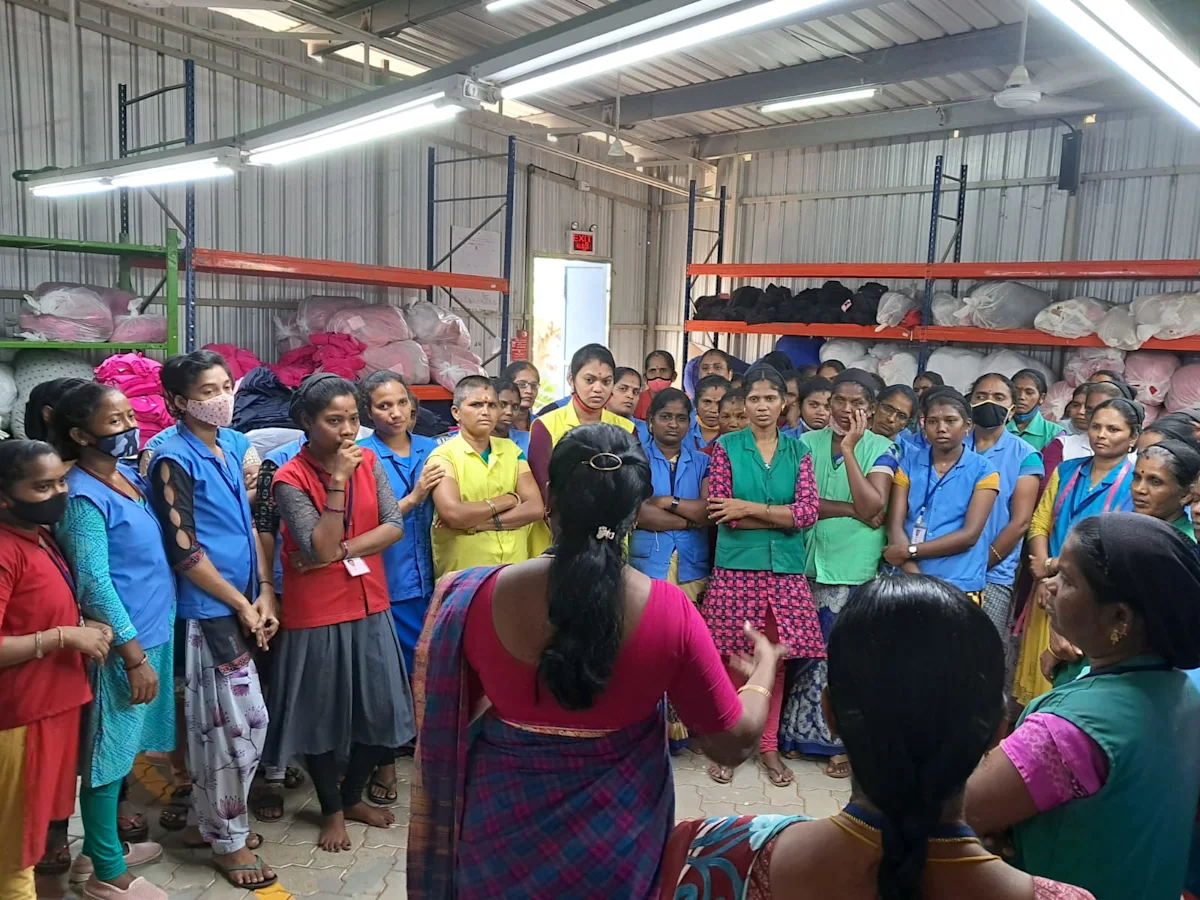
Textile workers in discussion with Thivya Rakini. Photo: Nandita Shivakumar
‘They act like workers are making excuses to avoid work’
Simple facilities such as extra water supplies, extended rest breaks, or access to cooling or improved ventilation could ease the impact of heatwaves on workers. Not only are these not available, conditions get stricter during heatwaves. “Because the heat makes everyone work slower, supervisors increase pressure to meet targets. They say things like "heat is not an excuse" or "everyone is working in the same heat." Even basic facilities like fans often don't work properly, but no one fixes them,” Thivya says.
The health consequences extend far beyond momentary discomfort. Workers experience a range of debilitating conditions. "Dizziness and fatigue are common complaints during summer months - workers feel light-headed by afternoon," Thivya explains. "Fainting episodes also happen on long hot days." Piles have become a particularly widespread issue. "So many workers suffer from this problem but feel too embarrassed to talk about it openly," Thivya reveals. "Only in our union meetings do they share these experiences, where they feel safe to discuss such health issues."
Economic realities make treatment nearly impossible. As Jeeva points out, "Workers in this industry hardly make 10,000 INR a month - they don't have the capacity to save for any crisis, especially a health crisis. So they continue working through the pain, taking basic painkillers to get on with the day."
Worker productivity is also affected. "Meeting targets becomes extremely difficult on hot days. The normal target is around 100 pieces per hour, but when it's very hot, the hands become sweaty and we keep having to wipe them. When workers feel dizzy and exhausted, their speed naturally becomes slower," Gomathi says.
The response from management is unforgiving. "Sometimes workers can only manage 70-80 pieces per hour in peak summer, but this means they'll face scolding," Gomathi adds. "If workers make mistakes due to the heat and exhaustion, they scold them even more, saying we're being careless."
Management's dismissive attitude toward heat-related health problems compounds the challenge. Symptoms such as dizziness or severe headaches, which can indicate serious heat stress or dehydration, are trivialized as minor inconveniences. “If someone feels dizzy or has a severe headache from the heat, they're told to just rest for 10 minutes and get back to work,” Gomathi adds.
Instead of providing adequate care or addressing the root causes, workers are, at best, allowed a brief rest before being forced back to work. “Even getting permission to go to the medical room is difficult. They act like workers are making excuses to avoid work."
The broader context of systemic exploitation
Of course, there’s more to garment workers’ lives than productivity metrics, economic calculations, and factory shifts; the impact of factory heat doesn’t end when workers clock out for the day. “After standing all day in that heat, workers go home completely exhausted. They still have to cook in hot kitchens, clean, help children with homework - but their bodies are already drained,” Jeeva points out.
Behind these individual struggles lies a system of global exploitation. Over the past decade, the TTCU has fought wage theft and systemic gender and caste discrimination, recently achieving a landmark victory with the Dindigul Agreement to Eliminate Gender-based Violence and Harassment (GBVH), Asia's first enforceable pact addressing harassment in textile supply chains. "The fashion brands completely ignore this issue," Gomathi says. "During their visits, they check product quality, they check if pieces are stitched correctly, but they never ask about how workers are coping with the heat."
Jeeva is more direct: "The fashion brands are equally responsible. They demand such low prices from factories that owners say they can't afford to install proper cooling systems. These big brands make huge profits, but they keep squeezing factories for cheaper and cheaper production costs, ultimately killing us slowly."
Addressing heat stress is crucial to safeguarding the well-being of garment workers, and the TTCU continues to fight. They were among other organisations who pushed the Tamil Nadu government to recognize heat waves as a state-specific disaster. Their demands are specific: implementation of measures such as adequate bathroom breaks, access to drinking water, proper ventilation, and regular inspections of factory conditions during summers. These demands align with the rules and recommendations under the Factories Act, 1948, to ensure workplace safety and address workers’ concerns.
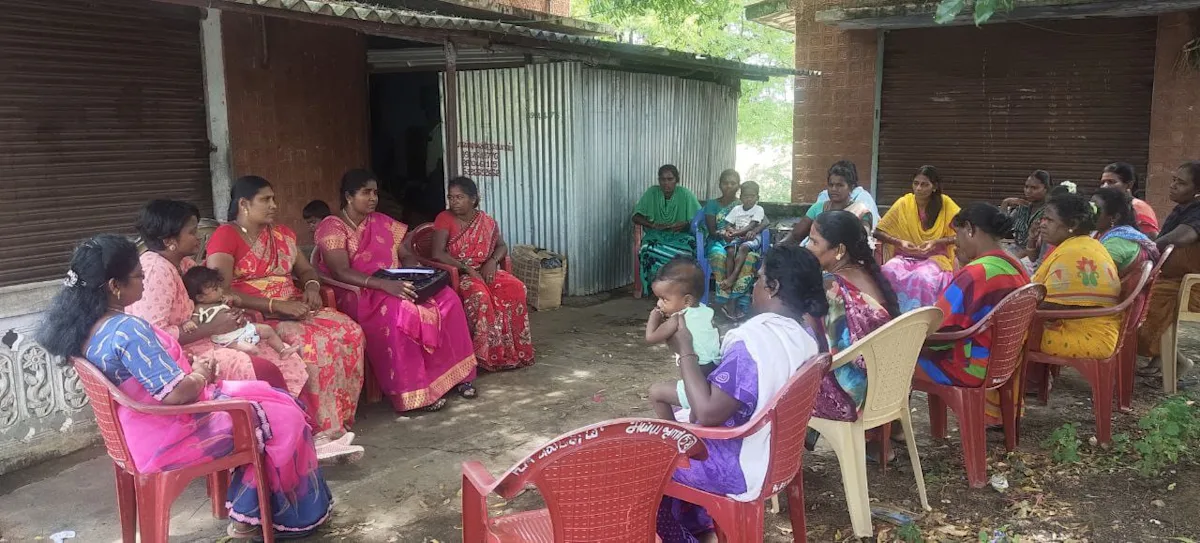
Workers discussing their struggles with heat. Photo: Nandita Shivakumar
"Prevention is key," Thivya emphasizes. "We need legal mandates that specifically require factories to implement heat mitigation measures. Women's health needs special attention in this context of climate change and heat stress."
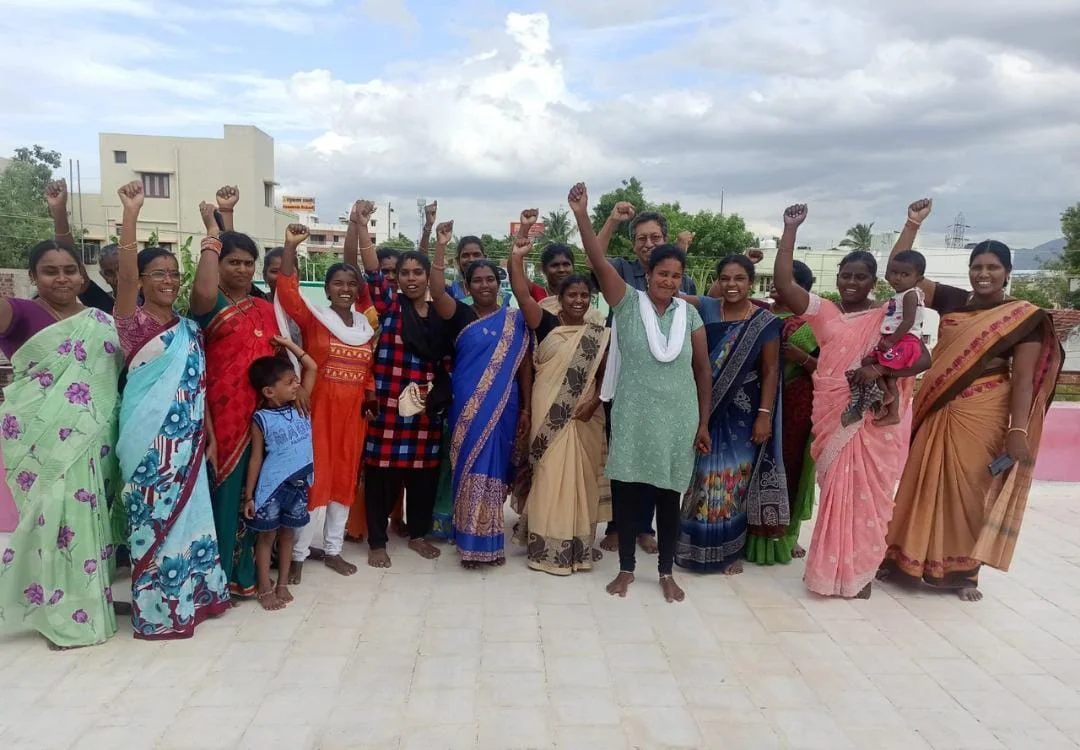
Textile workers advocating for fair wages, heat protection, and improved workplace rights. Photo: Nandita Shivakumar
As Gomathi puts it, "When workers face these harsh conditions alone, they're powerless. But through TTCU, we can collectively demand better working conditions and proper heat protection measures."
With translation and coordination support from Nandita Shivakumar.
எரியும் மாற்றங்கள் மைத்ரேய மார்கோசாவால், ஷிவானி தாஸின் ஆதரவுடன் உலோகக் கூரையுடன் கூடிய ஒரு கொட்டகைக்குள், வரிசையாக தையல் இயந்திரங்கள் இறுக்கமாக நிரம்பியுள்ளன. உலோகத் தாள்கள் உள்ளே சூடான, மூச்சுத் திணற வைக்கும் காற்றைப் பிடித்து வைக்கின்றன. உயரமான மின்விசிறிகள் இயங்கி வருகின்றன. மூச்சுத் திணற வைக்கும் வெப்பத்தைத் தடுக்க அவர்களின் லேசான முயற்சி போதுமானதாக இல்லை. காலை 11 மணிக்கு, தொழிலாளர்களின் முகங்களிலிருந்து வியர்வை வழிகிறது. இயந்திரங்கள் தாங்களாகவே வெப்பத்தை உருவாக்குகின்றன. தொழிலாளர்கள் சோர்வால் தலைசுற்றுகிறார்கள். இது தமிழ்நாட்டில் உள்ள ஒரு வழக்கமான ஆடைத் தொழிற்சாலை. "இது ஒரு அடுப்பு போல மாறிவிடும்," என்கிறார் தமிழ்நாடு ஜவுளி மற்றும் பொது தொழிலாளர் சங்கத்தின் (TTCU) மாநிலத் தலைவர் திவ்யா ராகினி. தலித் பெண்களால் முதன்மையாக வழிநடத்தப்படும் ஒரு அமைப்பான TTCU, தமிழ்நாட்டின் ஜவுளி மற்றும் விவசாயத் துறைகளில் 12,000 க்கும் மேற்பட்ட பெண் தொழிலாளர்களுக்காக வாதிடுகிறது.
வெப்ப அழுத்தம் தினசரி சவாலாக இருக்கும் ஒரு ஜவுளித் தொழிற்சாலையின் உள்ளே ஒரு பார்வை. புகைப்படம்: நந்திதா சிவகுமார்
அதிக வெப்பநிலைக்கு நீண்ட நேரம் அனுபவிக்கிறது நீரிழப்பு, வெப்ப சோர்வு மற்றும் பிற கடுமையான உடல்நலப் பிரச்சினைகளுக்கு வழிவகுக்கும். இது தொழிலாளர்களின் உரிமைகள் மற்றும் கண்ணியத்தை குறைமதிப்பிற்கு உட்படுத்தும். மேலும், வெப்ப அழுத்தம் உற்பத்தித்திறனை மோசமாக பாதிக்கிறது, 2023 ILO ஆய்வு 33-34°C வெப்பநிலையில், ஒரு தொழிலாளியின் திறன் 50% குறையக்கூடும் என்பதைக் குறிக்கிறது. இந்த சரிவு தனிப்பட்ட வருவாயை மட்டுமல்ல, தொழில்துறையின் ஒட்டுமொத்த செயல்திறன் மற்றும் உற்பத்தியையும் அச்சுறுத்துகிறது. இந்தியாவின் ஜவுளி மற்றும் ஆடைத் தொழிலில் தமிழ்நாடு ஒரு முக்கிய மையமாக உள்ளது. இது உள்நாட்டு உற்பத்தி மற்றும் ஏற்றுமதி இரண்டிற்கும் குறிப்பிடத்தக்க பங்களிப்பை வழங்குகிறது. ஆனால் மாநிலத்தின் ஆடைத் தொழிற்சாலைகளில், பெண் தொழிலாளர்கள் தங்கள் உடல்நலம், உரிமைகள், கண்ணியம் மற்றும் நல்வாழ்வை அச்சுறுத்தும் கடுமையான வெப்பத்தை எதிர்த்துப் போராடுகிறார்கள்.
சவாலான உட்புற வெப்பநிலையையும் மீறி ஜவுளித் தொழிலாளர்கள் வேலை செய்கிறார்கள். புகைப்படம்: நந்திதா சிவகுமார்
"2024 ஆம் ஆண்டில் பிப்ரவரி பிற்பகுதியிலிருந்து மே மாத நடுப்பகுதி வரை எங்கள் தொழிற்சாலைகளில் மிகுந்த சித்திரவதையாக இருந்தது," என்று திவ்யா கூறுகிறார். வழக்கமான வேலை நாள் என்பது மனித சகிப்புத்தன்மையின் ஒரு சோதனையாகும். "சாதாரண ஷிப்ட் 8 மணிநேரம் இருக்க வேண்டும், ஆனால் உண்மையில், தொழிலாளர்கள் பெரும்பாலும் அதிக நேரம் வேலை செய்கிறார்கள்," என்று TTCU இன் பொதுச் செயலாளர் ஜீவா விளக்குகிறார். "பெரும்பாலான தொழிலாளர்கள் காலை 8:30 மணிக்குத் தொடங்கி மாலை 6:30 அல்லது 7:00 மணி வரை வேலை செய்கிறார்கள். உச்ச உற்பத்தி பருவங்களில், நாங்கள் இரவு 8:00 மணி வரை அல்லது அதற்குப் பிறகும் வேலை செய்யலாம்."
இந்த வேலை நிலைமைகளின் மிகவும் நயவஞ்சக அம்சம் என்னவென்றால், அடிப்படை மனித தேவைகள் - தண்ணீர் மற்றும் குளியலறை அணுகல் - கட்டுப்படுத்தப்பட்டுள்ளன. மற்றொரு தொழிற்சங்கத் தலைவரான கோமதி, தொழிலாளர்கள் செல்ல வேண்டிய கொடூரமான கணக்கீட்டை வெளிப்படுத்துகிறார்: "தொழிலாளர்கள் தண்ணீர் நிலையங்களைப் பார்க்க முடிந்தாலும், அவர்கள் வேண்டுமென்றே தண்ணீர் குடிப்பதைத் தவிர்க்கிறார்கள் என்பதுதான் உண்மை. அவர்கள் சாதாரணமாக குடித்தால், ஷிப்டின் போது 2-3 முறை கழிவறையைப் பயன்படுத்த வேண்டியிருக்கும். ஆனால் மேற்பார்வையாளர்கள் அடிக்கடி கழிவறை இடைவேளையைக் கேட்டால் அவர்களை மோசமாக நடத்துகிறார்கள்."
விளைவுகள் மிகவும் மோசமானவை. "இதனால்தான் பல தொழிலாளர்கள், குறிப்பாக பெண்கள், சிறுநீர் பாதை நோய்த்தொற்றுகள் மற்றும் மூல நோயை பெறுகிறார்கள்," என்று திவ்யா மேலும் கூறுகிறார். "அவர்கள் நீண்ட நேரம் தங்கள் சிறுநீர்ப்பையை வைத்திருப்பார்கள். கோடையில் மிகவும் வெப்பமாக இருக்கும்போது, இது சித்திரவதையாக மாறும். அவர்கள் தாகமாக உணர்கிறார்கள், ஆனால் இன்னும் தண்ணீர் குடிப்பதைத் தவிர்க்கிறார்கள்." மேற்பார்வையாளர்களின் பதில்கள் தொடர்ந்து மனிதாபிமானமற்றது. கோமதி நினைவு கூர்ந்தபடி, "நீங்கள் ஏன் இவ்வளவு தண்ணீர் குடிக்கிறீர்கள் - உங்களுக்கு என்ன பிரச்சனை?" அல்லது "நீங்கள் நேரத்தை வீணடிக்க முயற்சிக்கிறீர்கள்" போன்ற கருத்துக்களை அவர்கள் கூறுகிறார்கள்.
திவ்யா ராகினியுடன் கலந்துரையாடலில் ஜவுளித் தொழிலாளர்கள். புகைப்படம்: நந்திதா சிவகுமார்
‘வேலையைத் தவிர்ப்பதற்கு தொழிலாளர்கள் சாக்குப்போக்கு சொல்வது போல் அவர்கள் செயல்படுகிறார்கள்’
கூடுதல் நீர் விநியோகம், நீட்டிக்கப்பட்ட ஓய்வு இடைவேளை, அல்லது குளிர்ச்சி அல்லது மேம்பட்ட காற்றோட்டம் போன்ற எளிய வசதிகள் தொழிலாளர்கள் மீது வெப்ப அலைகளின் தாக்கத்தைக் குறைக்கும். இவை கிடைக்காதது மட்டுமல்லாமல், வெப்ப அலைகளின் போது நிலைமைகள் கடுமையாகின்றன. “வெப்பம் அனைவரையும் மெதுவாக வேலை செய்ய வைப்பதால், மேற்பார்வையாளர்கள் இலக்குகளை அடைய அழுத்தத்தை அதிகரிக்கிறார்கள். "வெப்பம் ஒரு சாக்குப்போக்கு அல்ல" அல்லது "அனைவரும் ஒரே வெப்பத்தில் வேலை செய்கிறார்கள்" என்று அவர்கள் கூறுகிறார்கள். மின்விசிறிகள் போன்ற அடிப்படை வசதிகள் கூட பெரும்பாலும் சரியாக வேலை செய்வதில்லை, ஆனால் யாரும் அவற்றை சரிசெய்வதில்லை, ”என்று திவ்யா கூறுகிறார்.
உடல்நல பாதிப்புகள் தற்காலிக அசௌகரியத்தைத் தாண்டி நீண்டுள்ளன. தொழிலாளர்கள் பலவிதமான பலவீனப்படுத்தும் நிலைமைகளை அனுபவிக்கின்றனர். "கோடை மாதங்களில் தலைச்சுற்றல் மற்றும் சோர்வு பொதுவான புகார்கள் - தொழிலாளர்கள் மதிய வேளையில் லேசான மயக்கம் அடைகிறார்கள்," என்று திவ்யா விளக்குகிறார். "நீண்ட வெப்பமான நாட்களிலும் மயக்கம் ஏற்படும்." குவியல்கள் குறிப்பாக பரவலான பிரச்சினையாக மாறிவிட்டன. "பல தொழிலாளர்கள் இந்தப் பிரச்சினையால் பாதிக்கப்படுகிறார்கள், ஆனால் அதைப் பற்றி வெளிப்படையாகப் பேசுவதற்கு மிகவும் வெட்கப்படுகிறார்கள்," என்று திவ்யா வெளிப்படுத்துகிறார். "எங்கள் தொழிற்சங்கக் கூட்டங்களில் மட்டுமே அவர்கள் இந்த அனுபவங்களைப் பகிர்ந்து கொள்கிறார்கள்—அங்கு இதுபோன்ற சுகாதாரப் பிரச்சினைகளைப் பற்றி விவாதிக்க அவர்கள் பாதுகாப்பாக உணர்கிறார்கள்."
பொருளாதார யதார்த்தங்கள் சிகிச்சையை கிட்டத்தட்ட சாத்தியமற்றதாக்குகின்றன. ஜீவா சுட்டிக்காட்டுவது போல், "இந்தத் துறையில் உள்ள தொழிலாளர்கள் மாதத்திற்கு 10,000 ரூபாய் கூட சம்பாதிப்பதில்லை—எந்தவொரு நெருக்கடிக்கும், குறிப்பாக சுகாதார நெருக்கடிக்கும் சேமிக்கும் திறன் அவர்களிடம் இல்லை. எனவே அவர்கள் வலியைத் தாங்கிக் கொண்டு தொடர்ந்து வேலை செய்கிறார்கள், அன்றைய நாளைத் தொடர அடிப்படை வலி நிவாரணிகளை எடுத்துக்கொள்கிறார்கள்."
தொழிலாளர் உற்பத்தித்திறனும் பாதிக்கப்படுகிறது. "வெப்பமான நாட்களில் இலக்குகளை அடைவது மிகவும் கடினமாகிவிடும். சாதாரண இலக்கு ஒரு மணி நேரத்திற்கு சுமார் 100 துண்டுகள் ஆகும், ஆனால் அது மிகவும் சூடாக இருக்கும்போது, கைகள் வியர்த்துவிடும், மேலும் நாம் அவற்றைத் துடைக்க வேண்டியிருக்கும். தொழிலாளர்கள் தலைச்சுற்றல் மற்றும் சோர்வாக உணரும்போது, அவர்களின் வேகம் இயல்பாகவே குறைகிறது," என்று கோமதி கூறுகிறார்.
நிர்வாகத்திடமிருந்து வரும் பதில் மன்னிக்க முடியாதது. "சில நேரங்களில் தொழிலாளர்கள் உச்ச கோடையில் ஒரு மணி நேரத்திற்கு 70-80 துண்டுகளை மட்டுமே கையாள முடியும், ஆனால் இதன் பொருள் அவர்கள் திட்டுதலை எதிர்கொள்ள நேரிடும்," என்று கோமதி மேலும் கூறுகிறார். "வெப்பம் மற்றும் சோர்வு காரணமாக தொழிலாளர்கள் தவறு செய்தால், நாங்கள் கவனக்குறைவாக இருக்கிறோம் என்று கூறி அவர்களை இன்னும் அதிகமாக திட்டுகிறார்கள்."
வெப்பம் தொடர்பான உடல்நலப் பிரச்சினைகள் குறித்து நிர்வாகத்தின் அலட்சிய மனப்பான்மை சவாலை அதிகரிக்கிறது. தலைச்சுற்றல் அல்லது கடுமையான தலைவலி போன்ற அறிகுறிகள் கடுமையான வெப்ப அழுத்தம் அல்லது நீரிழப்பு ஆகியவற்றைக் குறிக்கலாம். ஆனால் இவை சிறிய சிரமங்களாக அற்பமாகக் கருதப்படுகின்றன. "ஒருவருக்கு தலைச்சுற்றல் ஏற்பட்டாலோ அல்லது வெப்பத்தால் கடுமையான தலைவலி ஏற்பட்டாலோ, அவர்கள் 10 நிமிடங்கள் ஓய்வெடுத்து வேலைக்குத் திரும்பச் சொல்லப்படுகிறார்கள்," என்று கோமதி மேலும் கூறுகிறார்.
போதுமான பராமரிப்பு வழங்குவதற்கு அல்லது மூல காரணங்களை நிவர்த்தி செய்வதற்கு பதிலாக, தொழிலாளர்கள் பெரும்பாலும் வேலைக்குத் திரும்புவதற்கு முன்பு ஒரு சிறிய ஓய்வு மட்டுமே அனுமதிக்கப்படுகிறார்கள். "மருத்துவ அறைக்குச் செல்ல அனுமதி பெறுவது கூட கடினம். தொழிலாளர்கள் வேலையைத் தவிர்ப்பதற்கு சாக்குப்போக்கு சொல்வது போல் அவர்கள் செயல்படுகிறார்கள்."
முறையான சுரண்டலின் பரந்த சூழல்
உற்பத்தித்திறன் அளவீடுகள், பொருளாதார கணக்கீடுகள் மற்றும் தொழிற்சாலை மாற்றங்களைத் தவிர ஆடைத் தொழிலாளர்களின் வாழ்க்கையில் இன்னும் நிறைய விஷயங்கள் உள்ளன; தொழிலாளர்கள் அன்றைய வேலையை முடித்தவுடன் தொழிற்சாலை வெப்பத்தின் தாக்கம் முடிவடைவதில்லை. “அந்த வெப்பத்தில் நாள் முழுவதும் நின்ற பிறகு, தொழிலாளர்கள் முற்றிலும் சோர்வடைந்து வீட்டிற்குச் செல்கிறார்கள். அவர்கள் இன்னும் சூடான சமையலறைகளில் சமைக்க வேண்டும், சுத்தம் செய்ய வேண்டும், குழந்தைகளுக்கு வீட்டுப்பாடம் செய்ய உதவ வேண்டும் - ஆனால் அவர்களின் உடல்கள் ஏற்கனவே வடிகட்டப்பட்டுள்ளன, ”என்று ஜீவா சுட்டிக்காட்டுகிறார்.
இந்த தனிநபர் போராட்டங்களுக்குப் பின்னால் உலகளாவிய சுரண்டல் அமைப்பு உள்ளது. கடந்த பத்தாண்டுகளில், TTCU ஊதிய திருட்டு மற்றும் முறையான பாலின மற்றும் சாதி பாகுபாட்டை எதிர்த்துப் போராடியுள்ளது. பாலின அடிப்படையிலான வன்முறை மற்றும் துன்புறுத்தலை ஒழிப்பதற்கான திண்டுக்கல் ஒப்பந்தம் (GBVH) மூலம் TTCU சமீபத்தில் ஒரு மைல்கல் வெற்றியைப் பெற்றது. ஜவுளி விநியோகச் சங்கிலிகளில் ஏற்படும் துன்புறுத்தல்களைத் தீர்ப்பதற்காக ஆசியாவின் முதல் அமல்படுத்தக்கூடிய ஒப்பந்தமாக திண்டுக்கல் ஒப்பந்தம் உள்ளது. "ஃபேஷன் பிராண்டுகள் இந்தப் பிரச்சினையை முற்றிலுமாகப் புறக்கணிக்கின்றன," என்று கோமதி கூறுகிறார். "அவர்களின் வருகைகளின் போது, அவர்கள் தயாரிப்பு தரத்தைச் சரிபார்க்கிறார்கள், துண்டுகள் சரியாக தைக்கப்படுகிறதா என்று சரிபார்க்கிறார்கள், ஆனால் தொழிலாளர்கள் வெப்பத்தை எவ்வாறு சமாளிக்கிறார்கள் என்று அவர்கள் ஒருபோதும் கேட்பதில்லை."
ஜீவா இன்னும் நேரடியாகச் சொல்கிறார்: "ஃபேஷன் பிராண்டுகளும் சமமாகப் பொறுப்பானவை. தொழிற்சாலைகளிடமிருந்து இவ்வளவு குறைந்த விலையை அவர்கள் கோருகிறார்கள், எனவே உரிமையாளர்கள் சரியான குளிரூட்டும் வசதிகள் நிறுவ முடியாது என்று கூறுகிறார்கள். இந்த பெரிய பிராண்டுகள் பெரும் லாபம் ஈட்டுகின்றன, ஆனால் அவை மலிவான உற்பத்தி செலவுகளுக்காக தொழிற்சாலைகளை அழுத்திக்கொண்டே இருக்கின்றன, இறுதியில் மெதுவாக நம்மைக் கொல்கின்றன."
ஆடைத் தொழிலாளர்களின் நல்வாழ்வைப் பாதுகாப்பதில் வெப்ப அழுத்தத்தை நிவர்த்தி செய்வது மிக முக்கியமானது, மேலும் TTCU தொடர்ந்து போராடி வருகிறது. தமிழக அரசு வெப்ப அலைகளை ஒரு மாநிலத்திற்குரிய பேரிடராக அங்கீகரிக்க வலியுறுத்திய பிற அமைப்புகளில் அவர்களும் அடங்குவர். அவர்களின் கோரிக்கைகள் குறிப்பிட்டவை: போதுமான குளியலறை இடைவெளிகள், குடிநீர் வசதி, சரியான காற்றோட்டம் மற்றும் கோடைகாலத்தில் தொழிற்சாலை நிலைமைகளை தொடர்ந்து ஆய்வு செய்தல் போன்ற நடவடிக்கைகளை செயல்படுத்துதல். பணியிட பாதுகாப்பை உறுதி செய்வதற்கும் தொழிலாளர்களின் கவலைகளை நிவர்த்தி செய்வதற்கும், தொழிற்சாலைகள் சட்டம், 1948 இன் கீழ் உள்ள விதிகள் மற்றும் பரிந்துரைகளுடன் இந்தக் கோரிக்கைகள் ஒத்துப்போகின்றன.
வெப்பத்துடனான தங்கள் போராட்டங்களைப் பற்றி தொழிலாளர்கள் விவாதிக்கின்றனர். புகைப்படம்: நந்திதா சிவகுமார்
"தடுப்பு முக்கியமானது," என்று திவ்யா வலியுறுத்துகிறார். "வெப்பக் குறைப்பு நடவடிக்கைகளை செயல்படுத்த தொழிற்சாலைகளை குறிப்பாக கட்டாயப்படுத்தும் சட்டப்பூர்வ ஆணைகள் நமக்குத் தேவை. காலநிலை மாற்றம் மற்றும் வெப்ப அழுத்தத்தின் இந்த சூழலில் பெண்களின் ஆரோக்கியத்திற்கு சிறப்பு கவனம் தேவை."
நியாயமான ஊதியம், வெப்ப பாதுகாப்பு மற்றும் மேம்பட்ட பணியிட உரிமைகளுக்காக வாதிடும் ஜவுளித் தொழிலாளர்கள். புகைப்படம்: நந்திதா சிவகுமார்
கோமதி சொல்வது போல், "தொழிலாளர்கள் இந்த கடுமையான நிலைமைகளை தனியாக எதிர்கொள்ளும்போது, அவர்கள் சக்தியற்றவர்களாக இருக்கிறார்கள். ஆனால் TTCU மூலம், சிறந்த பணிச்சூழல்களையும் சரியான வெப்ப பாதுகாப்பு நடவடிக்கைகளையும் நாம் கூட்டாகக் கோரலாம்."
நந்திதா சிவகுமாரின் மொழிபெயர்ப்பு மற்றும் ஒருங்கிணைப்பு ஆதரவுடன்.
Related Content
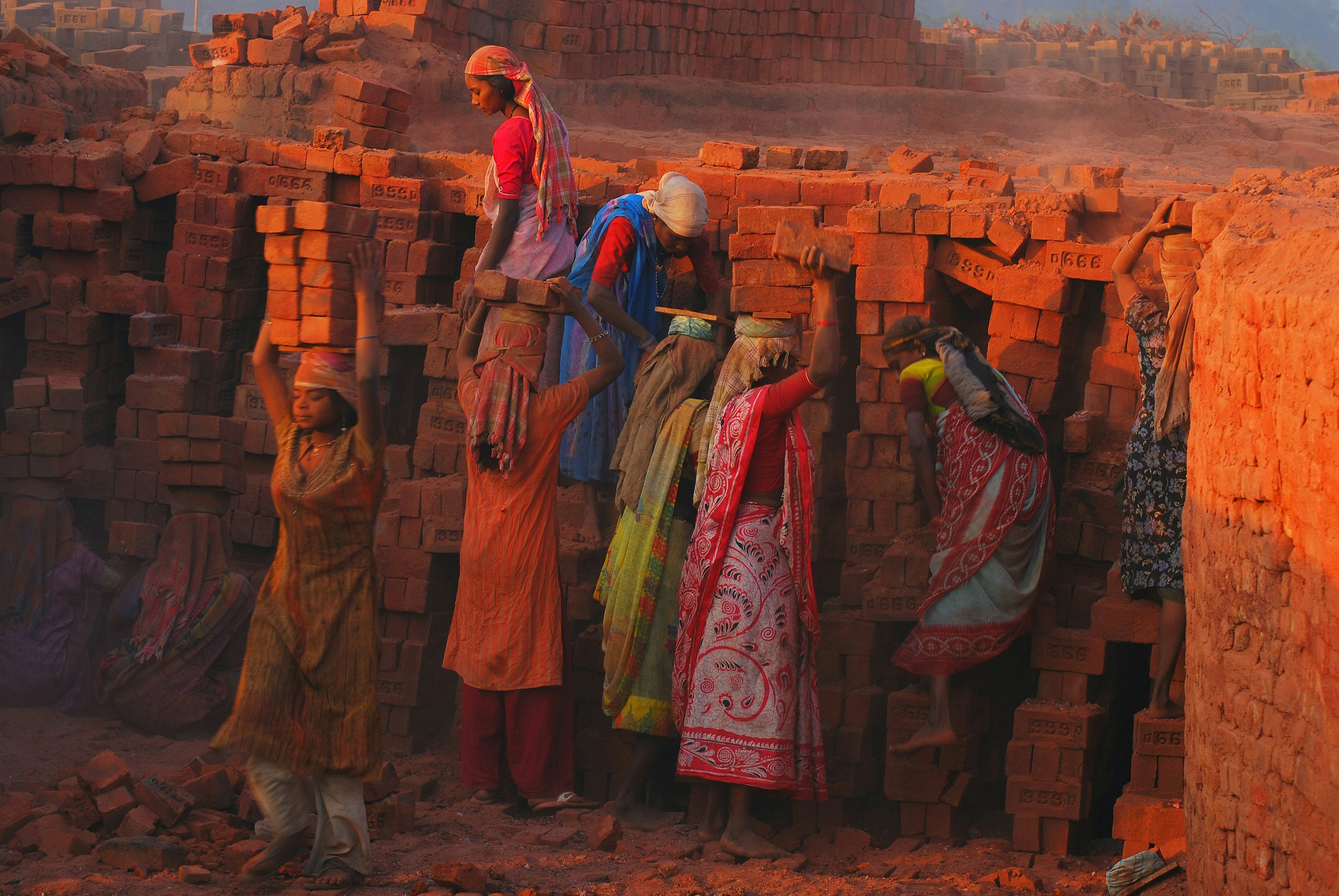
Fair Pay. Shade. Water: Construction Workers Demand Relief from Deadly Heat
The women's experiences reflect the harsh reality of India's informal construction labour markets, where workers must balance their urgent need for income against increasingly dangerous heat.
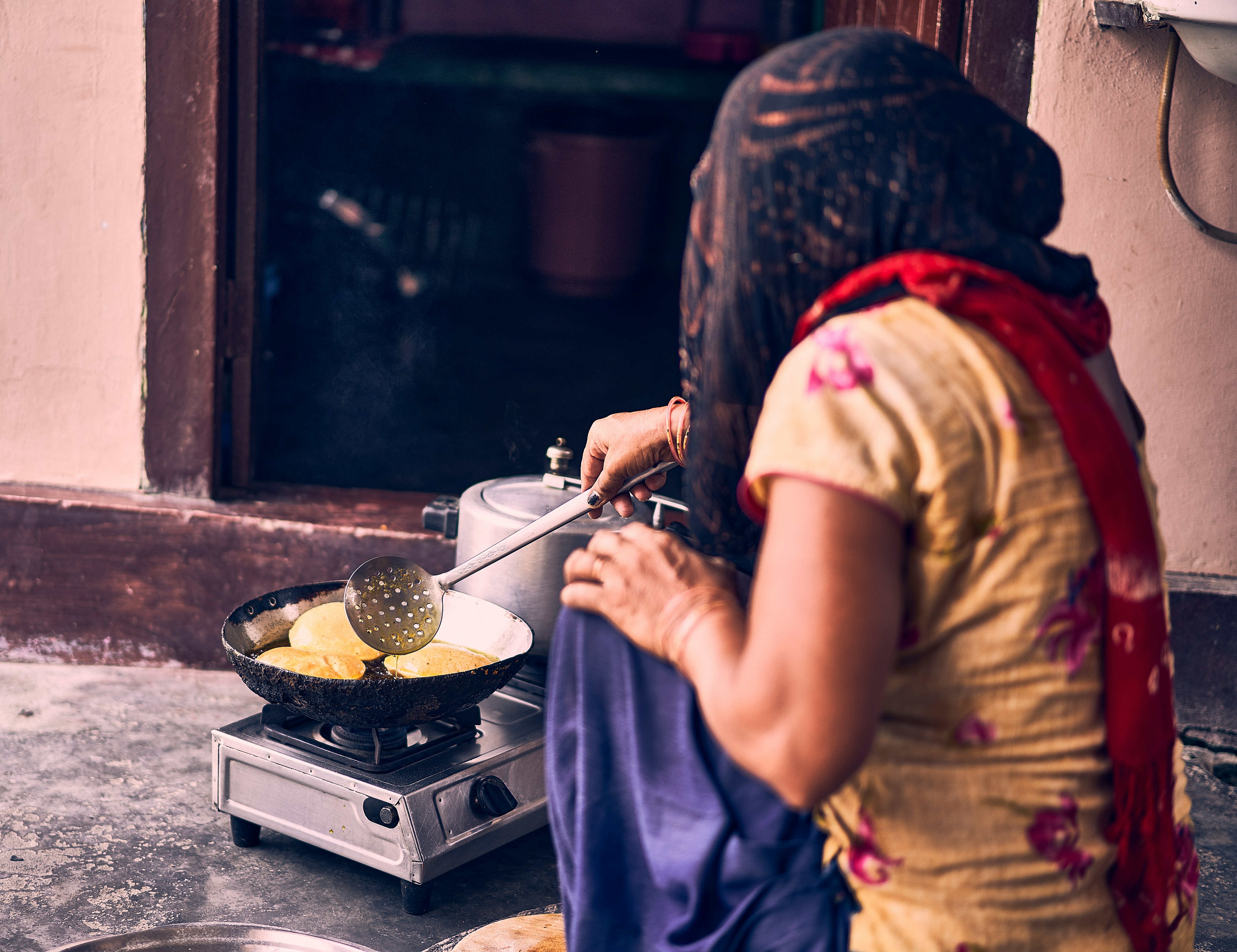
In the Growing Heat: A Day in the Life of a Domestic Worker
Working across seven houses, Matol’s experience highlights the stark inequalities in how India’s classes experience and cope with extreme heat.

Foreword: Working in an Overheating India
In the era of climate change, India is getting hotter and we are yet to acknowledge the unequal burden this extreme heat places on workers. The solutions to this lie in fixing our exploitative labour economy rather than band-aid solutions every heat season.