

EXECUTIVE SUMMARY
The climate crisis is driving frequent and intense heat waves everywhere resulting in a rise in heat-related illnesses and deaths. In India, over 11,868 heatstroke deaths were reported from 2012 to 2022, though the true number is likely higher. HeatWatch and Telangana Gig and Platform Workers Union (TGPWU) conducted a survey in June 2024 to collect data on the implications of extreme heat waves on the working lives of gig and platform workers in Hyderabad, Telangana.
Our report finds that many gig and platform workers face heat exhaustion and heat strokes impacting their health, productivity, and livelihoods. Around 52% of the surveyed workers reported experiencing heat exhaustion as a result of working in extreme heat, followed by 30% of workers who reported experiencing a heat stroke. Among the 19 women workers surveyed, 13 reported that working in extreme heat made menstrual cramps and related symptoms worse. 4 women workers also reported that they experienced increased Urinary Tract Infections (UTIs) while working in extreme heat.
Workers also have limited access to cooling resources and healthcare. Many platform companies do not offer adequate support, such as healthcare services or paid sick leave. 65% of surveyed workers urge the government to provide clean water and toilets, while 55% call for shaded rest areas. Additionally, 43% support a break in working hours during peak heat times, with compensation to mitigate income loss.
HeatWatch and the Telangana Gig and Platform Workers Union propose several key actions:
Declare Heatwaves as a notified disaster: The NDMA should notify heatwaves as a disaster under the National Disaster Management Act (2005).
Improve urban infrastructure: Municipal authorities (in the case of Hyderabad, GHMC) should ensure access to clean drinking water, oral rehydration solutions, and hygienic toilets within a 2-kilometre radius. They should also establish shaded rest areas with seating and cooling facilities, drinking water stations, washrooms, and phone charging points. These should be attached to existing public facilities (airports, railway and bus stations, hospitals, educational institutions, mosques and temples, and markets) with adequate parking facilities for gig and platform workers. In places where there are no existing infrastructures, temporary facilities with adequate toilets, washrooms, seating and drinking water fountains should be provided.
Make urban infrastructure accessible: Attention should be paid to making facilities for relief from heat (and rains as the case may be) accessible to all gig and platform workers. Locations of all such facilities for relief from heat and rain should be made available to the workers through the apps.
Regulate working hours: Platforms should implement mandatory breaks between 12 pm and 3 pm during extreme heat conditions with compensation, and offer flexible work hours without penalties.
Enhance healthcare and training: The state government and platforms should provide doctor-on-call services, health insurance for heat-related conditions, and mandatory heat awareness training for workers.
Improve work conditions: Platform companies should supply lightweight, breathable work outfits and protective gear, and install early warning systems to alert workers about extreme heat conditions.
Read it here.
Related Reports
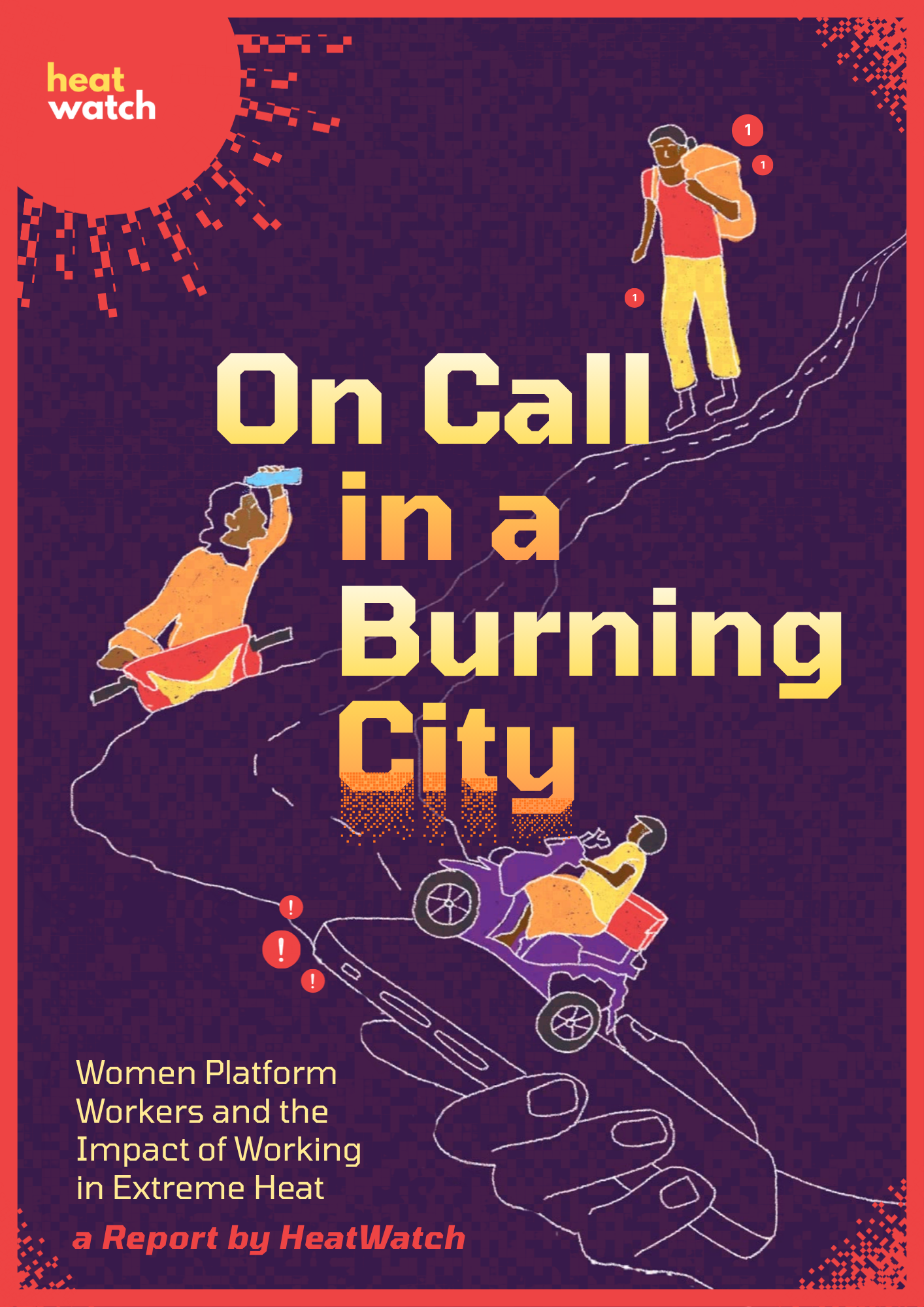
On Call in a Burning City: How Extreme Heat Is Reshaping Women’s Platform Work in Delhi NCR
HeatWatch's latest report explores how extreme heat is affecting the health, livelihoods, and working conditions of women platform workers in Delhi NCR, and why heat must be recognised as a labour, gender, and public health issue.
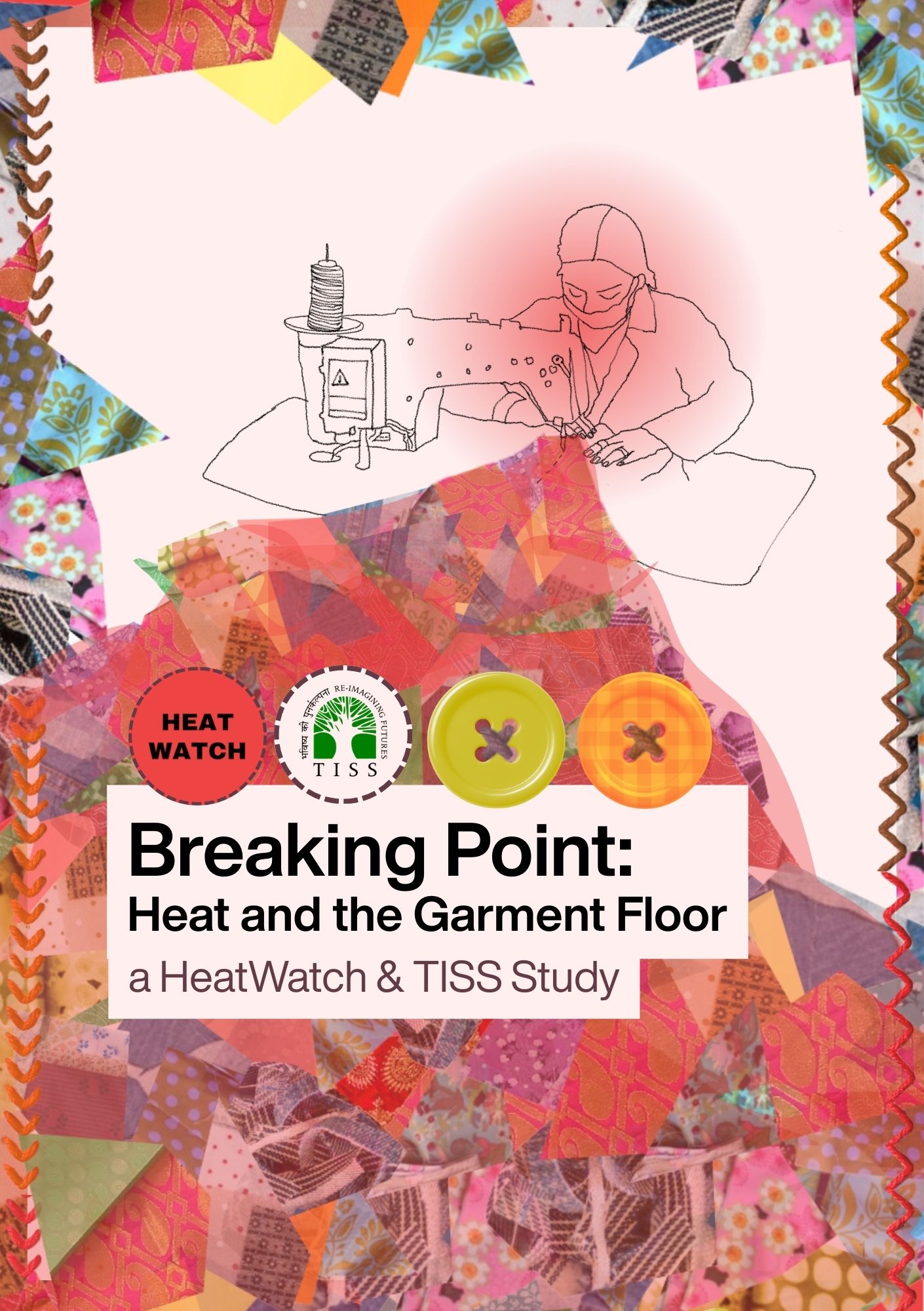
Breaking Point: Heat and the Garment Floor
This report by HeatWatch in collaboration with the Tata Institute of Social Sciences, Mumbai, is based on our research with 115 garment factory workers in Tamil Nadu and Delhi and interviews with factory management across 15 garment and textile units in Tiruppur in Tamil Nadu, Faridabad and Noida in Delhi-NCR, and Surat in Gujarat to establish a baseline of physical infrastructure, operational policies, and health and safety systems.

Rising Heat and Waste Workers: Impact of Heat Stress on the Livelihood and Health of Waste Workers in Bengaluru
Heatwatch and Hasiru Dala have launched a new report exploring the growing threat of extreme heat in Bengaluru and its disproportionate impact on waste workers.