
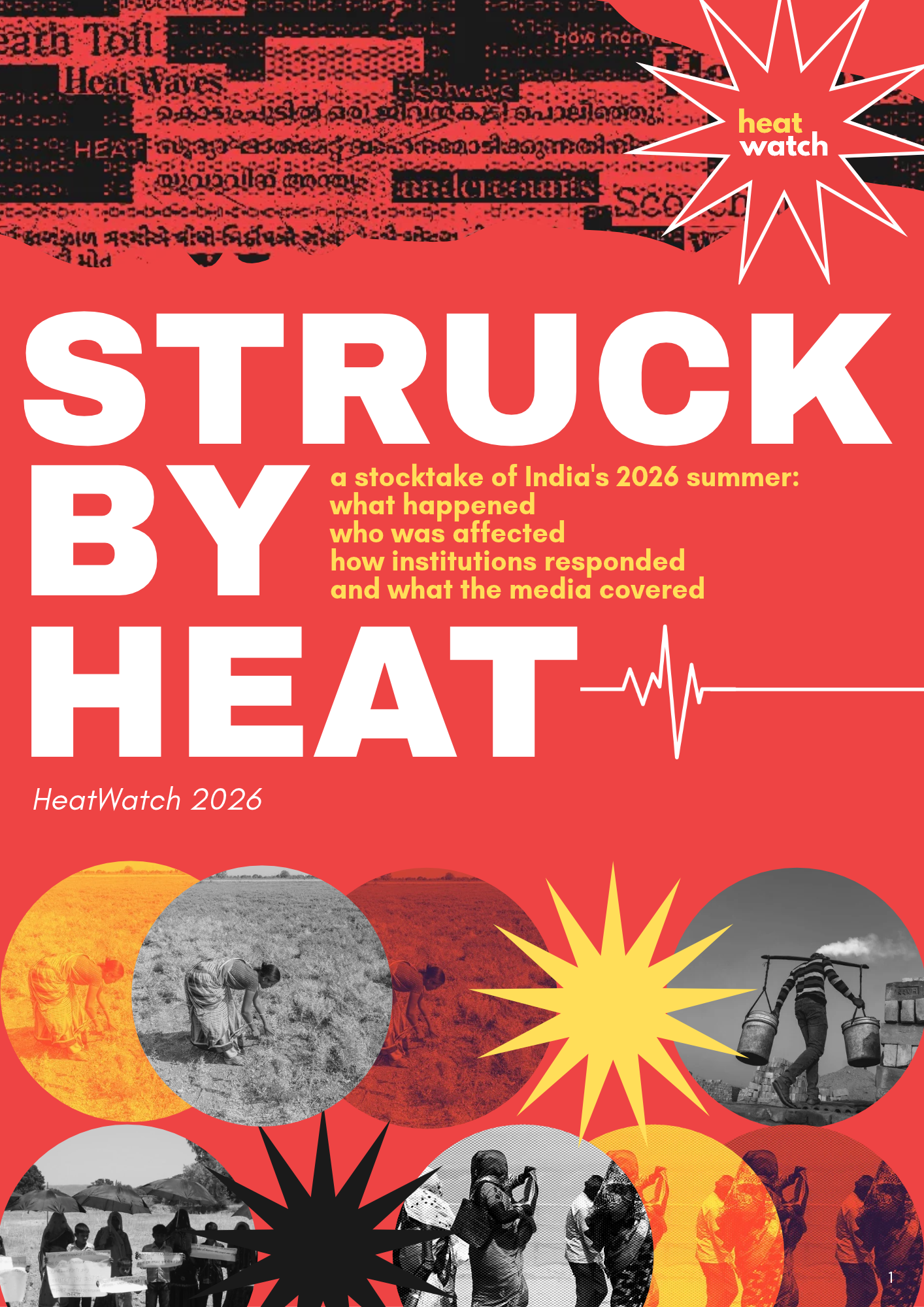
Between March and July 2026, news outlets reported 359 heat-related deaths in India, of which 86 were confirmed and 273 suspected, across 17 states and the Union Territory of Delhi. Over a similar period, the National Centre for Disease Control confirmed 20.
These figures come from HeatWatch’s news tracker, now in its third year, which monitors English and nine Indian-language outlets. The tracker records only deaths that were reported in the media, so the actual toll is likely higher. Researchers estimate that a single five-day heatwave causes about 30,000 excess deaths in India, while the official count stands at roughly 800 heat deaths a year.
Overview of the 2026 Heat Season
Climate Central found that climate change added at least 30 “risky heat” days for 117 million people in India between June and August 2026.
The risk has not ended. The monsoon was the weakest since 2015, El Niño is expected to continue until February 2027, and the Climate Impact Lab projects about 15,800 additional heat deaths over that period.
People Affected
Maharashtra, Telangana, Odisha, Bihar and Andhra Pradesh recorded the highest numbers of deaths. Most of the people who died had little choice but to work or remain outdoors, among them construction workers, farmers, drivers and street vendors.
Several deaths occurred while people were carrying out public duties. Four voters died during the first phase of polling in West Bengal. Two teachers in Odisha died within two days of each other while conducting census fieldwork. A police trainee in Bihar collapsed during a fitness test. In Nagpur, most of the 98 suspected sunstroke deaths recorded in May were of people who could not be identified, and in Vijayawada several of those who died were people experiencing homelessness.
Gaps in Official Data
Four agencies record heat deaths in India, and each applies its own definition. Only 23.4% of deaths are medically certified, and most heat-related deaths are recorded as heart, kidney or respiratory failure. IMD counts a death only if it occurs during a declared heatwave, which is defined by air temperature and does not account for humidity.
Media reporting helped address part of this gap. Indian-language outlets reported deaths that English-language coverage did not, including 51 in Telangana on a single day. Few cases were followed up, however, and coverage largely stopped with the onset of the monsoon, even as ASHA workers reported continued illness into September.
Early Warnings and Health System Response
IMD states that its alerts reach 80% of the population. A survey in Raipur found that 13.6% of construction workers were aware of any heat alert, and many of those who were aware continued working because they could not afford to lose a day’s wages.
Most hospitals do not yet have ice or rapid-cooling facilities to treat heatstroke, and HeatWatch identified only 63 publicly documented cooling centres across at least 12 states. Some cities prepared in advance. Nagpur operated 11 dedicated cold wards, and Raipur set up an ice-bath ward before the season began.
In August, heatwaves were notified as a disaster, which allows families to seek compensation. Dr Dileep Mavalankar of the Indian Institute of Public Health, Gandhinagar, said that tying compensation to a confirmed diagnosis can create an incentive to over-report cases from the side of relatives of the person who died, alongside informal pressure from authorities to underreport deaths to reduce payouts.
Recommendations
Surveillance and early warning. IMD should include a humidity-adjusted measure, such as WBGT, in its alerts. All-cause excess mortality should be the primary measure of heat deaths, supported by a common definition across agencies, publicly accessible data and district-level tracking.
Health system preparedness. The government should fund hospitals to treat heat illness, with every district designating a heat-stroke-ready centre and patients cooled before transfer. ASHAs and ANMs should receive a simple heat protocol and fair compensation for the additional work, and healthcare professionals at every level should be trained on diagnosing and managing heat-related illness. Cooling centres should be publicly listed, mapped and open at night.
Worker protections. Heatstroke should be made a notifiable disease. Labour law should require shade, drinking water and rest breaks during extreme heat, with penalties for non-compliance. These requirements should apply equally to government duties such as census work, polling, examinations and recruitment. Funding should prioritise prevention over compensation.
Media reporting. Newsrooms should cover heat throughout the year, train reporters on heat-related illness, follow up on reported deaths, and examine whether protections are in place before people fall ill.
About the Report
Struck by Heat: Stocktake of India’s 2026 Heat Summer is HeatWatch’s third annual review. A death is classified as “confirmed” when a doctor, hospital, District Medical Officer or SDMA has attributed it to heat, and as “suspected” when it was reported as heat-related without such confirmation.
To read the report, please click here. To browse the data, please click here.
For media inquiries, please contact: heatwatchindia@gmail.com
Related Reports
On Call in a Burning City: How Extreme Heat Is Reshaping Women’s Platform Work in Delhi NCR
HeatWatch's latest report explores how extreme heat is affecting the health, livelihoods, and working conditions of women platform workers in Delhi NCR, and why heat must be recognised as a labour, gender, and public health issue.
Breaking Point: Heat and the Garment Floor
This report by HeatWatch in collaboration with the Tata Institute of Social Sciences, Mumbai, is based on our research with 115 garment factory workers in Tamil Nadu and Delhi and interviews with factory management across 15 garment and textile units in Tiruppur in Tamil Nadu, Faridabad and Noida in Delhi-NCR, and Surat in Gujarat to establish a baseline of physical infrastructure, operational policies, and health and safety systems.
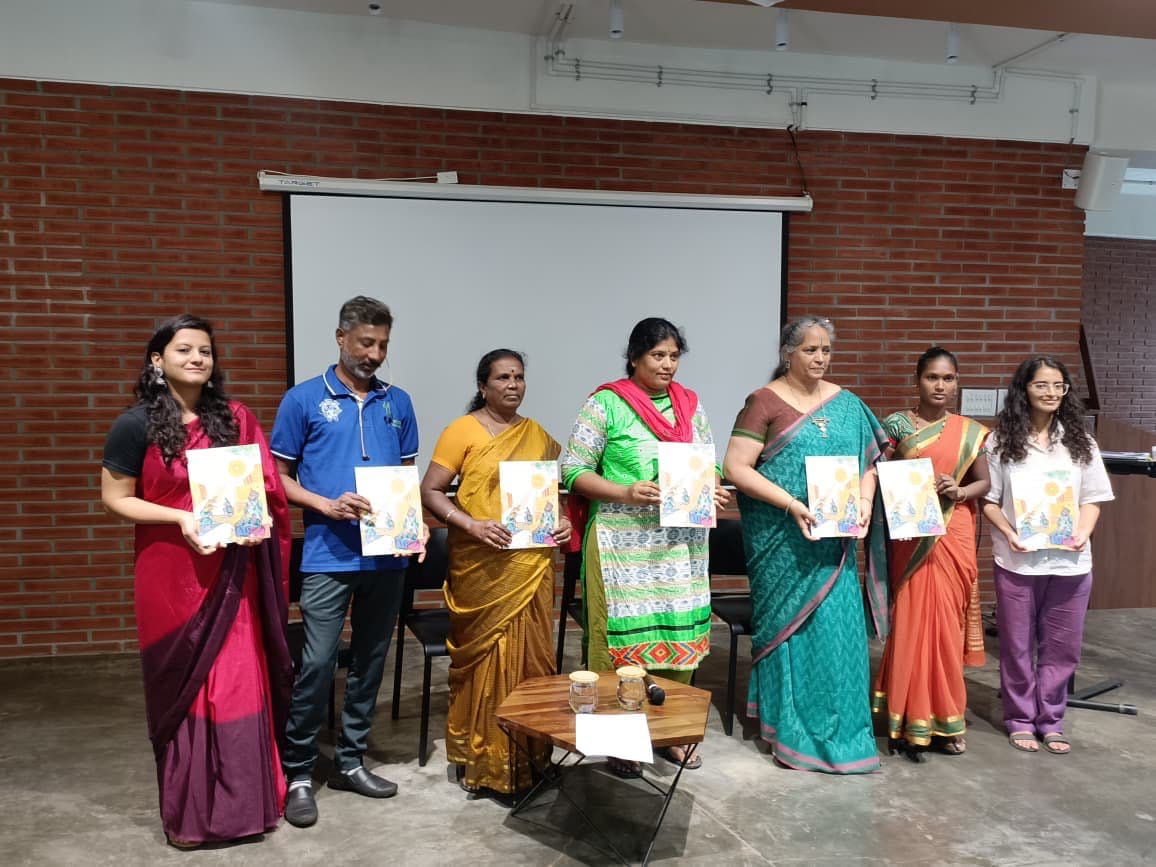
Rising Heat and Waste Workers: Impact of Heat Stress on the Livelihood and Health of Waste Workers in Bengaluru
Heatwatch and Hasiru Dala have launched a new report exploring the growing threat of extreme heat in Bengaluru and its disproportionate impact on waste workers.