
Report
Rising Heat and Waste Workers: Impact of Heat Stress on the Livelihood and Health of Waste Workers in Bengaluru
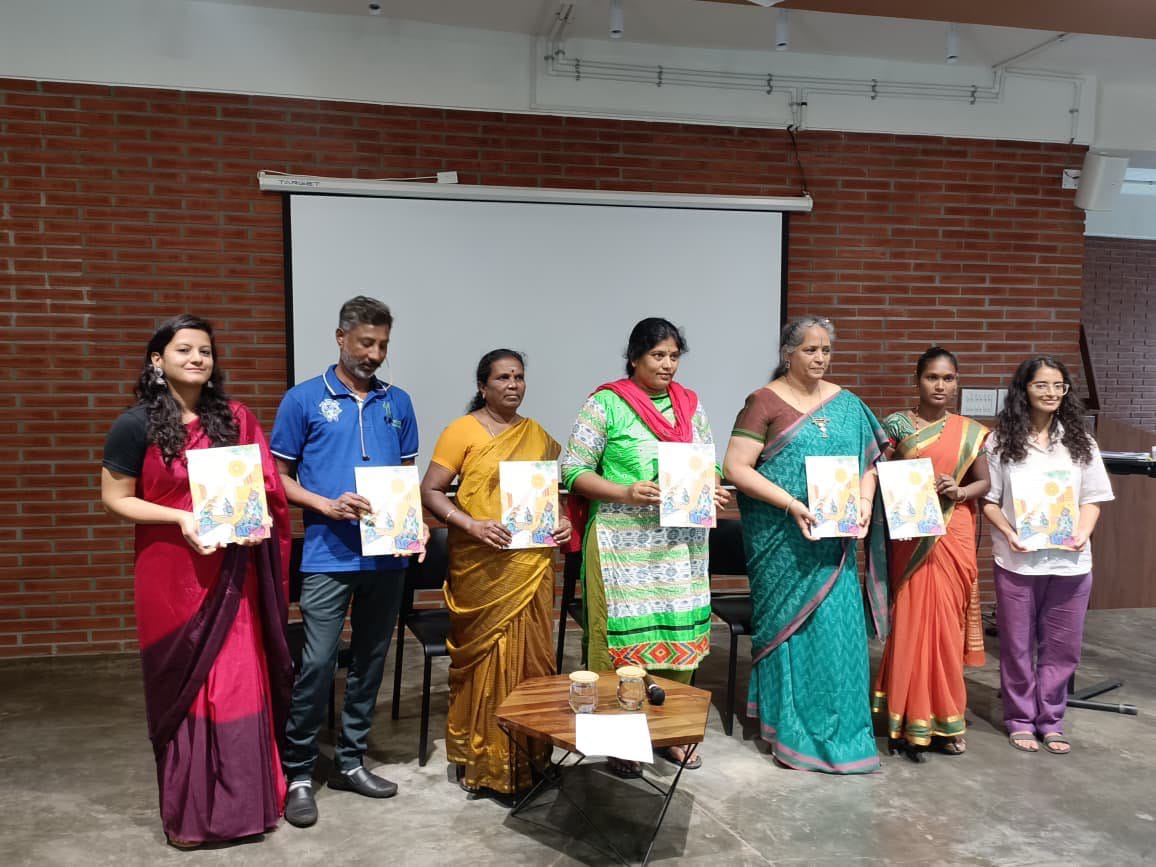
Climate change has increased the severity and frequency of heat waves. As a result, even cities like Bengaluru, known for temperate and pleasant weather, are experiencing temperatures above 35 degrees Celsius for a very prolonged period. For instance, Bengaluru recorded 35.9 °C on February 17, 2025, and it was the hottest February day in two decades (ToI 2025). Waste workers are among the most vulnerable outdoor workers exposed to rising heat levels, but they rarely feature in climate adaptation policies.
The report titled ‘Rising Heat and Waste Workers’ by HeatWatch and Hasiru Dala looks at rising heat and its unequal impact by studying three categories of solid waste workers: Pourkarmikas—municipally employed workers, Dry Waste Collection Centre (DWCC) workers—decentralised ward-based centres where waste is sorted, and free-roaming waste pickers collecting waste through vehicles, on foot and in godowns.
The study first establishes that by collecting and segregating recyclable materials from dry waste, pourakarmikas, DWCC workers, and waste pickers help in preventing the volumes of waste that go to landfills, contribute to extending the life cycle of materials by propelling recycling, reduce the methane and Greenhouse Gas (GHG) emissions, as well as contribute to lowering municipal budgets and costs. Waste workers’ contribution to climate mitigation and the circular economy is therefore substantial and crucial. Moreover, it is essential to acknowledge that a majority of waste pickers in the Bengaluru area, women (61%), and SC/ST(68%) (as per Hasiru Dala’s internal dataset), remain systemically vulnerable, especially to emerging risks and hazards brought by climate change. Thus, highlighting caste and gender continue to shape waste work.
Furthermore, the report highlights the inefficiency of Heat Action Plans and other climate policies in recognising the vulnerability of the informal workforce to extreme heat. Gaps remain, including the lack of enforceable safety norms and insufficient provisions for the specific needs of different informal workers, including women. After careful delineation, the report investigates how extreme heat affects the health, work conditions, and coping capacities of the three categories of waste pickers.
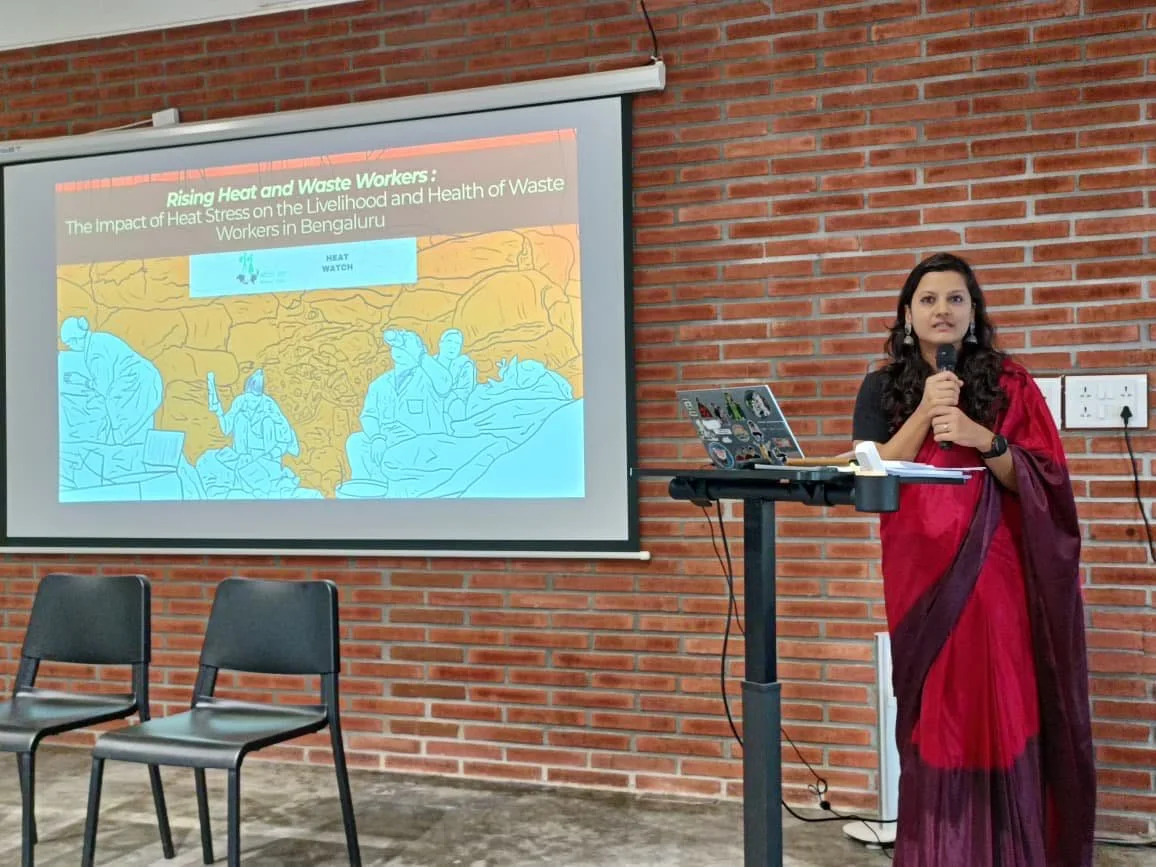
HeatWatch and Hasiru Dala report launch
Photo caption: Apekshita Varshney presenting report findings at the launch event
Findings
The findings highlight the direct impact of heat on work and productivity: over 92% reported that heat makes their tasks harder and slower, while 86% noted a decline in overall productivity. The survey of 154 waste workers in Bengaluru (98 women and 56 men) reveals a complex interplay of heat-related health, economic and occupational challenges.
With a gender composition of 98 women (63.6%) and 56 men, the study reveals how waste work is profoundly shaped by both gender and caste. Women, concentrated in the most physically taxing and repetitive tasks such as street sweeping, manual segregation, and foot-based waste picking, face harsher conditions compared to men who dominate mechanised or semi-mechanised roles such as vehicle driving. Caste-based stratification is equally stark, with over 60% of respondents belonging to the Scheduled Castes, underscoring the entrenched caste-assignment of sanitation work in India.
Heat exposure
The study further captures how heat exposure and vulnerability vary across worker groups: while most workers start work before 11 a.m., nearly three-fourths continue through the peak heat window of 11 a.m. to 3 p.m. DWCC workers and godown sorters are disproportionately exposed, with over 90% outdoors during peak heat, followed by 76% of roaming pickers and 56% of pourakarmikas. On-foot pickers and DWCC drivers/helpers, walking 6–9 km daily, face the heaviest cumulative exposure. Heat’s burden is intensified by sharp income inequities: all pourakarmikas, being formally employed, earn above ₹4,500 per week, while informal workers, especially pickers, remain below ₹3,500. Ironically, the lowest-paid are also those most exposed, with free-roaming waste pickers working the longest hours and distances.
Coping strategies
Adaptive strategies differ by category: free-roaming pickers were most flexible, reducing hours, changing timings, or altering routes, though at the cost of earnings; DWCC workers had moderate room to adjust; and pourakarmikas had virtually none due to rigid municipal schedules. Gender further shapes coping capacities; men had greater flexibility in adjusting hours, while women, burdened with both fixed work schedules and domestic responsibilities, had far fewer options despite experiencing stronger heat effects.
Access to amenities
Access to protective measures and infrastructure remains uneven: pourakarmikas had the highest Personal Protective Equipment (PPE) access but minimal drinking water or sanitation; DWCC workers had comparatively better facilities like tap water and occasional cooling aids, but sorters lagged behind drivers and helpers; free-roaming pickers had the lowest access across all amenities, especially safe water, toilets, and rehydration solutions. Only 39.6% of all respondents reported access to clean drinking water, and a mere 13% to clean washrooms, with women disproportionately excluded.
Heat and health
The health toll is severe and widespread: 72% reported muscle cramps, 62% exhaustion, 37% dehydration, and smaller but significant proportions reported heatstroke (15%) and kidney issues (8%). Women experienced higher prevalence of most conditions, including worsened menstrual cramps (reported by 43% of women, and as high as 80% among DWCC sorters). Healthcare access is limited, though 71% received diagnoses; barriers such as cost, distance, and fear of income loss push many toward self-medication, reported by 69% of workers.
Income loss
The economic burden of heat compounds these vulnerabilities: free-roaming waste pickers lost an average of ₹504 weekly (about 14% of their income), DWCC sorters reported similar losses, while pourakarmikas’ fixed wages insulated them. These losses were coupled with rising household and medical expenses—94% noted increased costs for food and water, 86% for fans or coolers, and an average medical expense of ₹1,196 per month for heat-related illness, pushing workers into deeper precarity.
The study also emphasises the urgent needs expressed by workers themselves. In the short term, these include access to clean toilets, safe drinking water, shade and rest areas, menstrual health support, and better healthcare. Long-term demands emphasise structural changes: recognition and dignity of labour, fair wages, social security, health insurance, improved housing and green spaces, and participation in government planning and decision-making. Workers also articulated occupation-specific demands such as better pricing for recyclables (free-roaming pickers), permanent employment (pourakarmikas), and sanitation/reproductive health facilities (women). Taken together, the scope of this survey demonstrates how extreme heat magnifies existing vulnerabilities of informal waste workers along lines of caste, class, gender, and employment status, while also mapping out pathways for participatory, worker-centred adaptation strategies.
The various recommendations of the report aim to ameliorate the living and working conditions of the waste workers:
Immediate access to civic amenities and an improved infrastructure
Prioritising building and upgradation of infrastructure like DWCC with access to electricity and toilet facilities with availability of running water, and then expanding the facilities to other waste workers like pourakarmikas and free-roaming waste workers to use as a shared resting space can make a huge difference in providing immediate relief and also minimising heat-related health challenges.
Access to Public spaces and drinking water facilities
Availability of public parks, drinking water facilities and public toilets for vulnerable outdoor workers could prove instrumental in taking rest, staying hydrated, which outdoor workers in summer remain excluded from.
Occupational Safety and Health
Rising heat increasingly impacts the health of those occupationally exposed, and in that case, PPEs are a major available respite reported by 62 % workers. However, PPEs are infrequently used due to poor design and material choices.. Thus, government and practice organisations can collaborate to produce well-equipped PPEs for wider distribution among waste workers.
Access to primary healthcare facilities can be enhanced for outdoor informal sector workers by facilitating easy appointments in summer, deployment of mobile units in areas with high density of waste workers and regular health camps at major waste sites. This can enhance healthcare access to heat-affected workers and result in a massive reduction of health issues resulting from extreme heat.
Expansion of Employee State Insurance Corporation (ESIC) coverage
For affordable and accessible healthcare facilities for outdoor informal workers, ESIC should be made more comprehensive by allowing more workers to register by providing information and enrollment support.
Policy Level
At the policy level, the report underscores the absence of disaggregated data and the limited recognition of how vulnerability varies across occupations, caste, gender, and informal working conditions. It calls for comprehensive, disaggregated data on diverse working conditions and lived experiences of worker groups, which is critical to designing and implementing effective heat adaptation policies
By having an embedded heat-action plan in broader climate policies and action plans, we can ensure frontline workers benefit from coordinated policy measures that address both their chronic, everyday risks and acute disasters, resulting in more targeted protections, improved access to relief mechanisms and stronger institutional support for their health and livelihoods. This integrated approach is necessary to ensure no vulnerable group is left behind in climate adaptation and urban resilience initiatives
This report reveals that Bengaluru’s waste workers face disproportionate exposure to rising heat, compounded by socio-economic conditions, informal work status, and inadequate workplace infrastructure. Meaningful climate adaptation for the city must integrate worker voices, ensure immediate access to basic amenities and health protections, and recognise the essential environmental service that waste workers provide to the city. The rising heat is not just an environmental crisis, but a labour and public health emergency.
To read the report, please click here
Related Reports
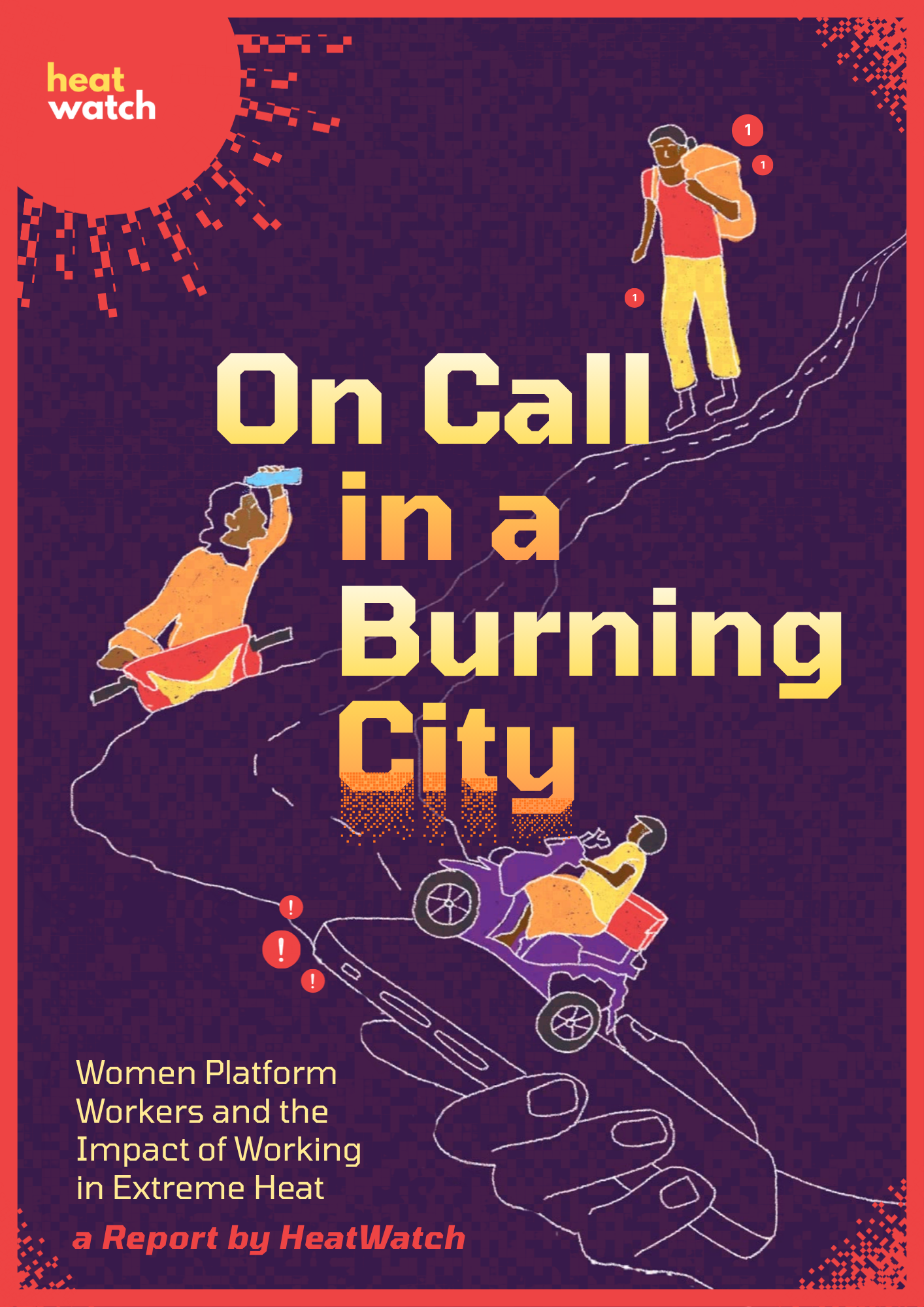
On Call in a Burning City: How Extreme Heat Is Reshaping Women’s Platform Work in Delhi NCR
HeatWatch's latest report explores how extreme heat is affecting the health, livelihoods, and working conditions of women platform workers in Delhi NCR, and why heat must be recognised as a labour, gender, and public health issue.
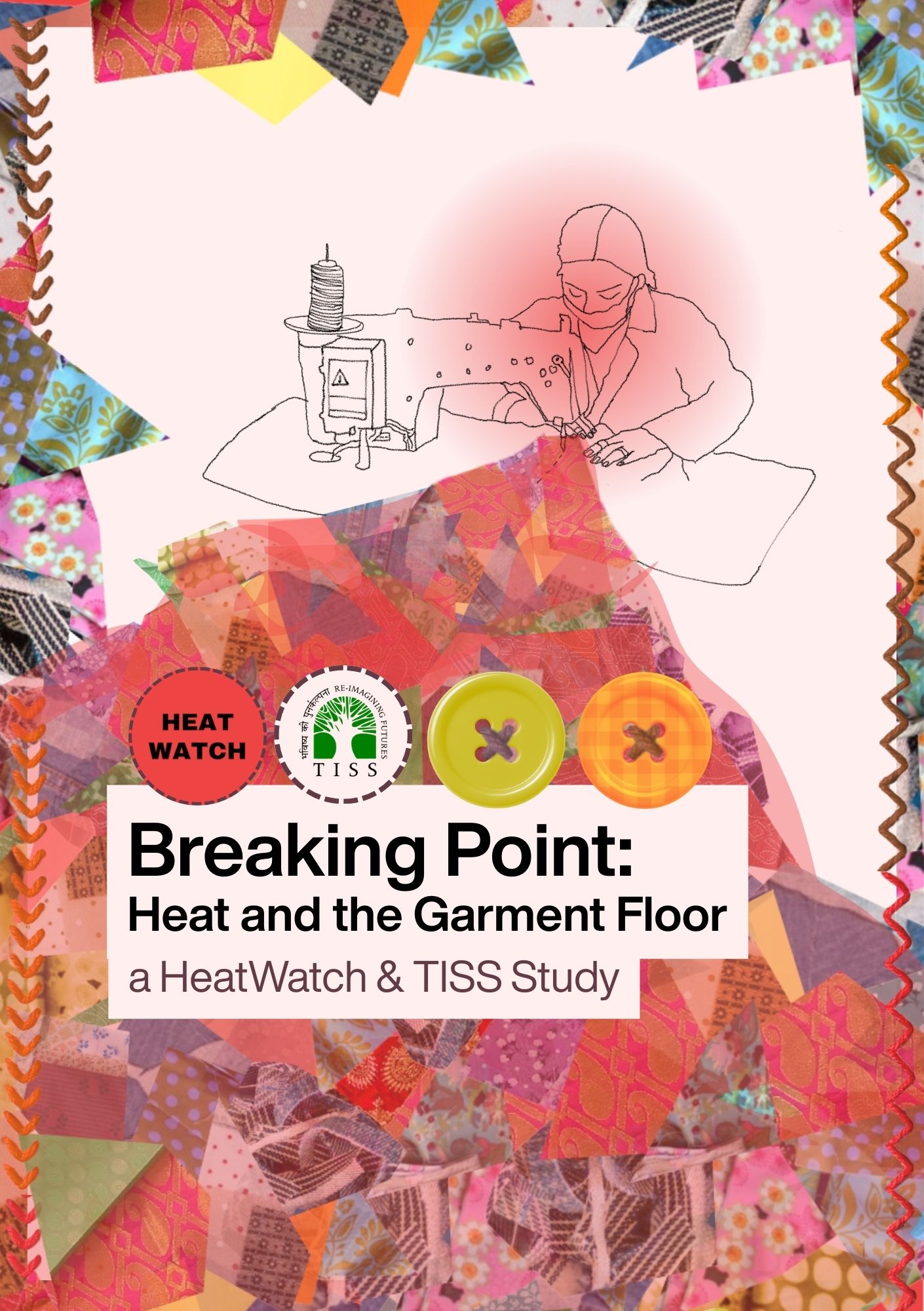
Breaking Point: Heat and the Garment Floor
This report by HeatWatch in collaboration with the Tata Institute of Social Sciences, Mumbai, is based on our research with 115 garment factory workers in Tamil Nadu and Delhi and interviews with factory management across 15 garment and textile units in Tiruppur in Tamil Nadu, Faridabad and Noida in Delhi-NCR, and Surat in Gujarat to establish a baseline of physical infrastructure, operational policies, and health and safety systems.
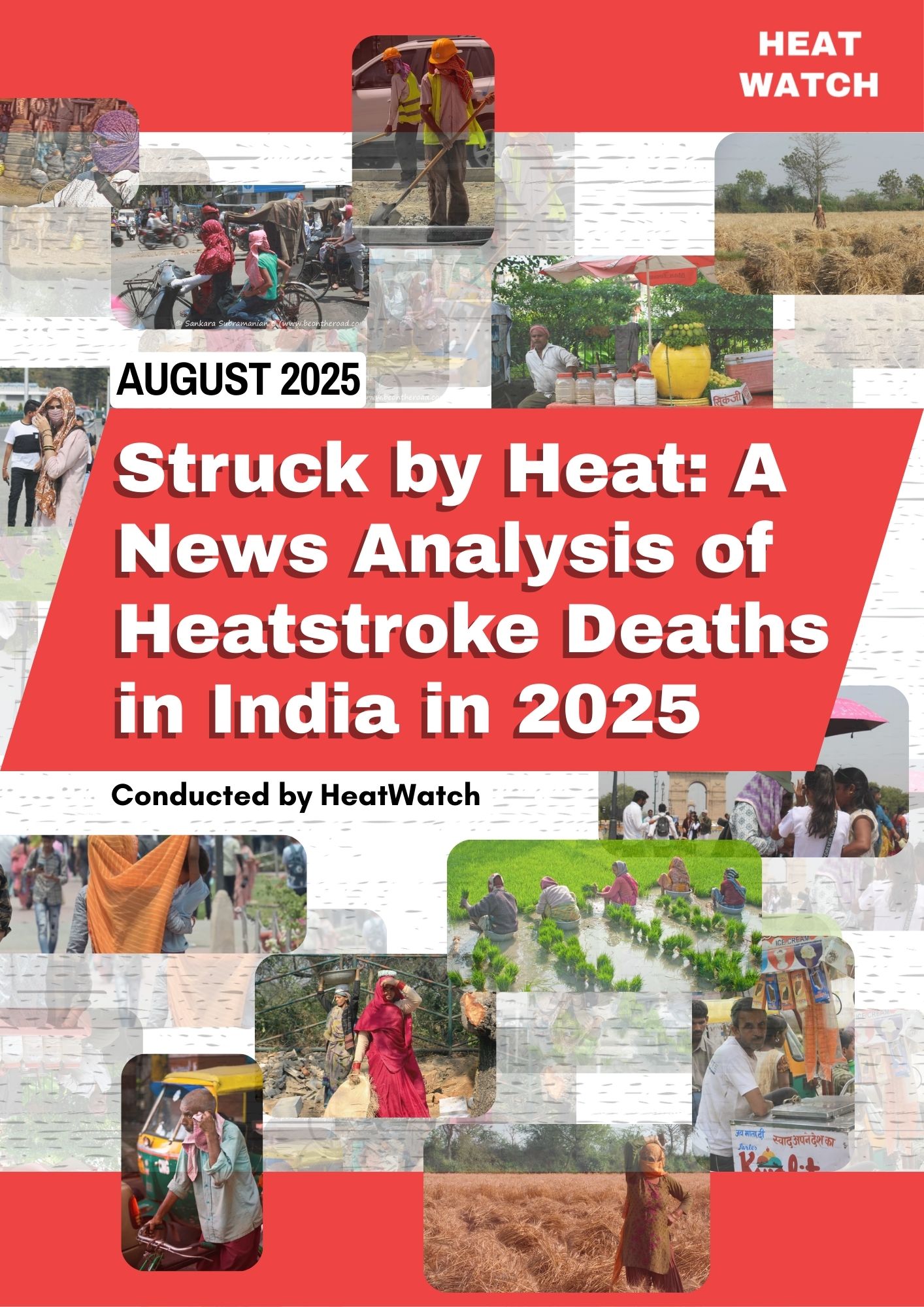
HeatWatch's 2025 Report Reveals Undercounted HeatStroke Deaths and Urgent Gaps in Public Health Response
In stark contrast to official figures reporting just 14 confirmed heat-related deaths in India between March and June 2025, this report documents 84 suspected heatstroke-related deaths. These findings were compiled from a systematic review of media reports across national and regional languages, using both AI-assisted searches and manual data collection to capture local coverage likely missed by government estimates.